 4 citations
,
October 2021 in “Indian Journal of Plastic Surgery”
4 citations
,
October 2021 in “Indian Journal of Plastic Surgery” Beard and moustache reconstruction can improve facial hair appearance with few side effects.
 8 citations
,
February 2016 in “The American Journal of Dermatopathology”
8 citations
,
February 2016 in “The American Journal of Dermatopathology” Hair transplants can make hair follicles larger and hair shafts thicker.
 1 citations
,
May 2016 in “Hair transplant forum international”
1 citations
,
May 2016 in “Hair transplant forum international” Using scalp micropigmentation (a special tattoo technique) with hair transplantation can effectively treat hair loss, especially for those with low donor density or those unsuitable for only hair transplantation.
 3 citations
,
September 2006 in “Hair transplant forum international”
3 citations
,
September 2006 in “Hair transplant forum international” Transplanting 2,800 to 4,000 hair units closely together is a complex procedure that requires preparation.
 3 citations
,
April 2020 in “Facial Plastic Surgery Clinics of North America”
3 citations
,
April 2020 in “Facial Plastic Surgery Clinics of North America” Beard hair transplantation is generally satisfying, requires 250-800 grafts, uses FUE to avoid scars, needs careful planning, has some risks, and hair regrowth starts after 4-6 months.
 5 citations
,
May 2005 in “Seminars in Plastic Surgery”
5 citations
,
May 2005 in “Seminars in Plastic Surgery” Hair transplantation using micrografts and minigrafts is effective and safe for facial and scalp reconstruction with natural-looking results.
 2 citations
,
August 2013 in “Facial Plastic Surgery Clinics of North America”
2 citations
,
August 2013 in “Facial Plastic Surgery Clinics of North America” The conclusion is that careful planning and technique in hair transplant surgery are crucial for successful graft harvesting and minimizing scars, with proper aftercare to avoid complications.
July 2020 in “Hair transplant forum international” Placing hair grafts in the scar is the best way to fix widened FUT donor scars.
 January 1995 in “Surgical technology international”
 Using consecutive transposition flaps can manage gaps in hair growth after multiple hair loss surgeries.
 6 citations
,
April 2000 in “Plastic and Reconstructive Surgery”
6 citations
,
April 2000 in “Plastic and Reconstructive Surgery” The document suggests fixing bad hair transplants by removing large hair plugs and replacing them with smaller ones, considering the natural progression of hair loss, and emphasizing the need for ethical judgment in hair transplantation.
 October 2021 in “Aesthetic Plastic Surgery”
 New techniques in hair restoration surgery can lead to better hair alignment.
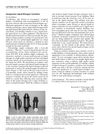 3 citations
,
February 2002 in “Dermatologic Surgery”
3 citations
,
February 2002 in “Dermatologic Surgery” Using a handheld massage device during hair transplant significantly reduces pain for most patients.
 5 citations
,
September 2012 in “Dermatology Online Journal”
5 citations
,
September 2012 in “Dermatology Online Journal” Follicular Unit Extraction (FUE) hair transplant is less invasive, leaves no scars, and has quicker recovery times, but it's more time-consuming and challenging. Automation helps speed up the process and improve graft survival, reducing the need for traditional strip surgery.
October 2022 in “Hair Transplantation” FUE is popular due to no linear scar, but choice depends on personal preference and specific factors.
 November 1994 in “The Journal of Dermatologic Surgery and Oncology”
 Thousand-graft hair transplants offer better coverage and look more natural but have concerns about graft survival and cosmetic risks.
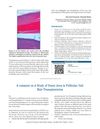 January 2014 in “Journal of Cutaneous and Aesthetic Surgery”
 The document suggests that for better patient satisfaction in hair transplants, high-quality photos are needed, and using a narrow donor strip might lead to fewer grafts and dissatisfaction, but filling the scar with FUE grafts and using tranexamic acid can improve results.
 1 citations
,
January 2017 in “Journal of Aesthetic & Reconstructive Surgery”
1 citations
,
January 2017 in “Journal of Aesthetic & Reconstructive Surgery” Combining FUT and FUE hair transplant methods in one session provides more grafts and higher patient satisfaction.
 8 citations
,
January 2023 in “Surgical Neurology International”
8 citations
,
January 2023 in “Surgical Neurology International” A scalp blood vessel issue from hair transplant was successfully treated with a special liquid agent.
 1 citations
,
February 2018 in “Plastic and Aesthetic Research”
1 citations
,
February 2018 in “Plastic and Aesthetic Research” The KD spreader makes hair transplants safer and easier, especially for beginners, by reducing damage to hair follicles.
 6 citations
,
September 2001 in “The Cleft Palate Craniofacial Journal”
6 citations
,
September 2001 in “The Cleft Palate Craniofacial Journal” Hair transplant surgery successfully restored a boy's moustache hair on a cleft lip scar, with natural-looking results and patient satisfaction.
 January 2012 in “Elsevier eBooks”
 Hair transplantation is highly effective with careful technique and attention to patient needs.
Preserving intact follicular units improves hair transplant success.
 6 citations
,
May 2004 in “Dermatologic Surgery”
6 citations
,
May 2004 in “Dermatologic Surgery” The article concludes that using the single-scar technique for hair transplants can result in a more attractive scar and that concerns about the technique can be managed with proper methods.
 29 citations
,
September 1997 in “PubMed”
29 citations
,
September 1997 in “PubMed” Follicular transplantation can greatly improve hair restoration if done with detailed planning and patient evaluation.
9 citations
,
March 2018 in “Plastic and Aesthetic Research” Direct hair implantation with special pens improves hair transplant precision and effectiveness.
 June 2004 in “Dermatologic Surgery”
 The single-scar technique in hair transplantation minimizes scarring and preserves hairs for future use, with proper training overcoming its perceived drawbacks.
 10 citations
,
May 2009 in “Journal of The American Academy of Dermatology”
10 citations
,
May 2009 in “Journal of The American Academy of Dermatology” Technique effectively reconstructs large scalp defects with minimal hair loss and visible scarring.
 11 citations
,
September 2001 in “The Cleft Palate Craniofacial Journal”
11 citations
,
September 2001 in “The Cleft Palate Craniofacial Journal” Hair transplant surgery successfully restored a boy's moustache hair on a cleft lip scar, with natural-looking results and patient satisfaction.
 10 citations
,
January 2013 in “Journal of Cutaneous and Aesthetic Surgery”
10 citations
,
January 2013 in “Journal of Cutaneous and Aesthetic Surgery” Narrower donor strips and special closure techniques in hair transplants lead to smaller scars and happier patients.
 May 2017 in “InTech eBooks”
 Follicular Unit Extraction (FUE) is a popular hair transplant method with minimal scarring that can transplant many grafts quickly and improve appearance and psychological well-being.