4 citations
,
March 2003 in “International Journal of Dermatology” Pimozide treatment resolved cysts and partially restored cheek fat in a man with Barraquer–Simons syndrome.
9 citations
,
February 2020 in “Journal of Cosmetic Dermatology” Pulsatilla chinensis compounds may help prevent stress-related hair loss.
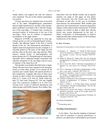 January 1999 in “Journal of the European Academy of Dermatology and Venereology”
 RAPK is a rare skin disorder with pigmented spots, mainly on hands and feet, starting in youth.
40 citations
,
October 2004 in “Veterinary Dermatology” Trilostane treatment led to full hair regrowth in most Pomeranians and all miniature poodles with alopecia X.
April 2025 in “Russian Pediatric Journal” PRP therapy shows promise for healing in kids but needs more research.
 March 2024 in “Journal of cosmetic dermatology”
 Platelet-rich plasma (PRP) is an effective treatment for lichen planopilaris.
 15 citations
,
August 2022 in “Daehan saengsik uihak hoeji/Clinical and experimental reproductive medicine”
15 citations
,
August 2022 in “Daehan saengsik uihak hoeji/Clinical and experimental reproductive medicine” Platelet-rich plasma may improve embryo genetics in IVF.
 1 citations
,
September 2024 in “Frontiers in Cell and Developmental Biology”
1 citations
,
September 2024 in “Frontiers in Cell and Developmental Biology” Pigs are a good model for studying human hair growth and disorders.
12 citations
,
September 2020 in “JAMA Dermatology” PRP patients show varied symptoms and need more research to understand related conditions.
8 citations
,
January 2017 in “Korean Journal of Physiology and Pharmacology” Pimecrolimus boosts melanin production and movement of skin pigment cells.
 March 2026 in “Journal of Ovarian Research”
 PRP may help improve ovarian function, but more research is needed for consistent results.
 March 1998 in “Journal of dermatological science”
 Diphencyprone initially increases mouse hair growth, then slows it, possibly due to changes in specific protein levels.
Platelet-rich plasma improves skin and hair growth in newborn mice.
1 citations
,
January 2020 in “Journal of Biosciences and Medicines” Red and black pop bean extracts protect against UV radiation and promote hair growth.
4 citations
,
April 2019 in “JAAD Case Reports” DPR can cause skin, hair, and nail issues, sometimes appearing later in life.
 2 citations
,
December 2019 in “Electronic Journal of General Medicine”
2 citations
,
December 2019 in “Electronic Journal of General Medicine” Combining microfocused ultrasound with PRP-therapy improves skin quality and patient satisfaction more than ultrasound alone.
June 2023 in “International Journal of Dermatology” Lichen planus pigmentosus mainly affects middle-aged women with darker skin, is underreported, and is hard to treat.
13 citations
,
January 2001 in “Pediatric dermatology” A dark-haired Chinese girl had hair that looked banded under certain light but was normal under a microscope.
 22 citations
,
November 2021 in “Dermatology and Therapy”
22 citations
,
November 2021 in “Dermatology and Therapy” The AAPPO questionnaire is a reliable tool for assessing hair loss impact in alopecia areata patients.
 July 2023 in “Media Dermato Venereologica Indonesiana”
 Corticosteroids effectively treated a 60-year-old man's skin condition.
 February 2026 in “PubMed”
 Porcine-derived placental powder may improve wound healing by reducing inflammation and enhancing tissue repair.
4 citations
,
September 2021 in “Medical Lasers” Low-level laser therapy effectively prevents and treats oral mucositis.
3 citations
,
May 2024 in “International Journal of Dermatology” Pediatric pemphigus is often diagnosed late, but rituximab helps control it long-term.
 3 citations
,
December 1997 in “Pediatric Clinics of North America”
3 citations
,
December 1997 in “Pediatric Clinics of North America” Pediatricians should advise sexually active teens on safe sex and STD prevention, and discuss contraceptive options and their side effects.
 August 2023 in “International journal of medical science and clinical research studies”
 PRP therapy helps heal pediatric surgical wounds faster and with fewer scars but needs more research for safety and cost.
253 citations
,
April 2009 in “Journal of Biological Chemistry” p2y5, now called LPA6, is a receptor important for human hair growth.
Early diagnosis and treatment of Lichen Planopilaris are crucial to prevent permanent hair loss.
 February 2026 in “HCA Healthcare Journal of Medicine”
 Recognizing keratosis pilaris in all skin tones helps diagnose related skin issues and reduce distress.
January 1962 in “Archives of Dermatology” A 5-year-old girl has lipoid proteinosis, causing voice issues, hair thinning, skin lesions, and tongue movement problems.