May 2007 in “Bioline International (Bioline International)” Pregnant women often experience various skin changes, with pigment changes and stretch marks being most common.
March 2026 in “Buletin Veteriner Udayana” Stella fully recovered from Malassezia dermatitis after 4 weeks of treatment.
 2 citations
,
May 2017 in “Springer eBooks”
2 citations
,
May 2017 in “Springer eBooks” Pregnancy can cause skin changes and affect existing skin conditions, with limited treatment options due to the need for fetal safety.
 18 citations
,
September 2023 in “Nutrition Research Reviews”
18 citations
,
September 2023 in “Nutrition Research Reviews” Higher fiber intake may reduce psoriasis severity, but more research is needed for effective dietary strategies.

Blocking CXCR4 may help treat hidradenitis suppurativa.
February 2026 in “Veterinary Dermatology” Coat-type differences in Pomeranians affect Alopecia X diagnosis and treatment.
August 2004 in “Veterinary Dermatology” More research is needed to understand coat funk in Alaskan malamutes.
 November 2022 in “Brazilian journal of veterinary pathology”
 The Yorkshire terrier has a genetic hair loss condition not improved by treatment.
October 2025 in “International Journal of Advanced Multidisciplinary Research and Studies” Hairless dogs have unique skin adaptations to regulate temperature and protect against environmental factors.
 15 citations
,
January 2012 in “Journal of Veterinary Science”
15 citations
,
January 2012 in “Journal of Veterinary Science” Different dog breeds have varying skin thickness and protein expression in their skin.
 5 citations
,
October 2021 in “Vlaams Diergeneeskundig Tijdschrift”
5 citations
,
October 2021 in “Vlaams Diergeneeskundig Tijdschrift” The protocol is easy to use, but reliable results need the same person to assess each time.
 2 citations
,
August 1995 in “Acta agriculturæ Scandinavica. Section A, Animal science”
2 citations
,
August 1995 in “Acta agriculturæ Scandinavica. Section A, Animal science” Adult male raccoon dogs shed their winter fur in spring and grow new fur for winter in autumn.
7 citations
,
March 2023 in “Frontiers in Veterinary Science” Camelina oil can improve dog coat quality like flaxseed and canola oils.
 December 2011 in “Korean journal of veterinary research”
 A Miniature Pinscher dog with hair loss and scaling was diagnosed with pattern alopecia and improved with melatonin treatment.
The chapter explains causes of hair loss and excessive hair growth in animals.
6 citations
,
January 1967 in “Journal of Small Animal Practice” Old dogs' skin thins, loses hair, and may darken, but doesn't show some human aging signs.
January 2025 in “Open Veterinary Journal” Supplements improved the dog's hair growth without side effects.
 5 citations
,
January 2010 in “The anatomical record”
5 citations
,
January 2010 in “The anatomical record” Most dogs have hair whorls on their chest and limbs, with shelter dogs and short-haired dogs having more chest whorls.
2 citations
,
January 2025 in “Veterinary Dermatology” Male Pomeranians with woolly coats are more likely to develop alopecia X.
 March 2026 in “International Journal of Advanced Biochemistry Research”
 German shepherd hair varies in color and pattern but is flat with a consistent internal structure.
A black Doberman with hair loss improved partially with omega-3/omega-6 treatment.
28 citations
,
June 1991 in “Veterinary Dermatology” Black and white Saluki dogs have a unique hair loss condition different from Doberman pinschers.
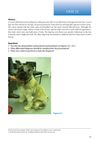 May 2019 in “Small Animal Dermatology”
 The dog had sebaceous adenitis, treated with ciclosporin, leading to some hair regrowth.
January 2025 in “Animal Science Journal” Golden takin's hair structure is adapted to maintain body temperature in harsh winters.
 September 2024 in “The Indian Veterinary Journal”
 A Labrador pup with a fungal skin infection was fully cured in four weeks using topical treatments and immune boosters.
 9 citations
,
November 2007 in “Veterinary dermatology”
9 citations
,
November 2007 in “Veterinary dermatology” Boxer and Labrador dogs' hair growth is affected by the tropical climate, but Schnauzers' is not.
2 citations
,
March 1997 in “Veterinary Dermatology” The Doberman had multiple skin tumors, but it's unclear if color dilution increased the risk.
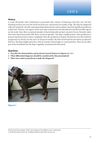 May 2019 in “Small Animal Dermatology”
 The dog has Color Dilution Alopecia, causing hair loss and increased risk of skin infections.
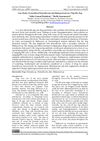 September 2023 in “Journal of Parasite Science”
 The dog's skin condition improved significantly after seven days of treatment.
August 2004 in “Veterinary Dermatology” Adult-onset hair loss in Chesapeake Bay retrievers may be linked to abnormal adrenal hormone production.