 5 citations
,
January 1998 in “Journal of Toxicologic Pathology”
5 citations
,
January 1998 in “Journal of Toxicologic Pathology” Maneb causes delayed hair follicle damage in rats.
 60 citations
,
June 1997 in “Journal of The American Academy of Dermatology”
60 citations
,
June 1997 in “Journal of The American Academy of Dermatology” Apoptosis is crucial for healthy skin and treating skin diseases.
 122 citations
,
April 1995 in “Journal of Cutaneous Pathology”
122 citations
,
April 1995 in “Journal of Cutaneous Pathology” The document describes how to tell different types of non-scarring hair loss apart by looking at hair and scalp tissue under a microscope.
 70 citations
,
June 2017 in “Nature Communications”
70 citations
,
June 2017 in “Nature Communications” A new laser technique can precisely remove specific cell types in living animals without harming nearby cells.
 66 citations
,
February 2015 in “Cell & tissue research/Cell and tissue research”
66 citations
,
February 2015 in “Cell & tissue research/Cell and tissue research” The document concludes that there are no effective clinical treatments for hearing loss due to hair cell damage, but research is ongoing.
 33 citations
,
September 2007 in “Veterinary dermatology”
33 citations
,
September 2007 in “Veterinary dermatology” Topical 0.1% tacrolimus significantly improved ear infections in cats.
 21 citations
,
May 1996 in “Current problems in dermatology”
21 citations
,
May 1996 in “Current problems in dermatology” Detailed patient history and physical exams are crucial for diagnosing hair loss.
 21 citations
,
August 1960 in “British journal of dermatology/British journal of dermatology, Supplement”
21 citations
,
August 1960 in “British journal of dermatology/British journal of dermatology, Supplement” Endoxan often causes hair loss, which usually starts in the third week of treatment.
 19 citations
,
December 2001 in “Dermatologic Therapy”
19 citations
,
December 2001 in “Dermatologic Therapy” Horizontal scalp biopsy sections are better for diagnosing alopecia areata, showing fewer hair follicles and more miniaturized hairs.
 18 citations
,
July 2021 in “Molecular Medicine Reports”
18 citations
,
July 2021 in “Molecular Medicine Reports” The WNT signaling pathway is crucial for mesenchymal stem cells' function and therapy success.
 16 citations
,
September 2016 in “Neuropharmacology”
16 citations
,
September 2016 in “Neuropharmacology” Activating TSPO helps protect the retina from damage caused by high eye pressure in glaucoma.
 6 citations
,
February 2021 in “Journal of Ovarian Research”
6 citations
,
February 2021 in “Journal of Ovarian Research” 150 kHz electromagnetic radiation might help improve PCOS in rats.
 4 citations
,
September 2017 in “Skin appendage disorders”
4 citations
,
September 2017 in “Skin appendage disorders” The dog with an Alopecia Areata-like condition showed signs of an autoimmune disease and partially regrew hair without treatment, suggesting dogs could be models for human AA research.
 2 citations
,
January 2000 in “Journal of Toxicologic Pathology”
2 citations
,
January 2000 in “Journal of Toxicologic Pathology” A single recessive gene causes sparse hair in certain Japanese White rabbits.
 1 citations
,
October 2017 in “Elsevier eBooks”
1 citations
,
October 2017 in “Elsevier eBooks” Antiandrogens can treat female hormonal conditions, but environmental ones may harm reproductive health.
 July 2026 in “International Journal of Drug Delivery Technology”
 Curcumin and piperine may effectively and safely promote hair regrowth in alopecia.
 January 2024 in “Journal of Pharmacognosy and Phytochemistry”
 Catharanthus roseus and Schwenckia americana extracts are generally safe but may cause kidney and liver tissue damage.
 May 2020 in “Research Square (Research Square)”
 Hair follicle stem cells may help treat strokes.
 May 2016 in “Research opinions in animal & veterinary sciences”
 Maternal aspartame consumption during pregnancy leads to skin damage and higher apoptosis in newborn rat offspring.
 April 2012 in “Informa Healthcare eBooks”
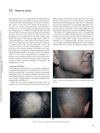
 Alopecia areata is a common autoimmune condition causing varying hair loss, diagnosed by specific patterns of inflammation around hair follicles, with several treatment options available.
 17 citations
,
September 2012 in “Dermatologic Clinics”
17 citations
,
September 2012 in “Dermatologic Clinics” The conclusion is that accurate diagnosis of different types of hair loss requires careful examination of tissue samples and understanding of clinical symptoms.
 51 citations
,
May 2021 in “Nature Communications”
51 citations
,
May 2021 in “Nature Communications” High proliferation and cell delamination drive early skin development, while later stages may not rely on cell division orientation.
180 citations
,
April 2002 in “Cell Death and Differentiation”  August 2012 in “Nature Cell Biology”
 The tumor suppressor BRCA2 helps in cell division by bringing key proteins to the area where cells split.
9 citations
,
January 2011 in “American Journal of Dermatopathology” Pilomatrixoma involves abnormal hair keratin production and cell death, causing debris and cysts.
 26 citations
,
August 2019 in “Stem Cell Research & Therapy”
26 citations
,
August 2019 in “Stem Cell Research & Therapy” PBX1 helps hair stem cells grow and change by turning on certain cell signals and preventing cell death, which may be useful for hair regrowth treatments.
 September 2016 in “Journal of Dermatological Science”
 The protein aPKCλ is crucial for keeping hair follicle stem cells inactive and for hair growth and regeneration.
16 citations
,
November 2017 in “British Journal of Dermatology” Cells in hair die by breaking down their DNA and mitochondria as they form keratin.
 56 citations
,
January 2001 in “Dermatology”
56 citations
,
January 2001 in “Dermatology” Teloptosis is a key point in hair loss that could help in creating prevention-focused hair care strategies.
80 citations
,
June 2002 in “Molecular Biology of the Cell” Type II keratins are uniquely phosphorylated during stress and mitosis, affecting their structure and function.