44 citations
,
March 1947 in “Endocrinology” Thiourea compounds affect hair growth and pigmentation in black rats.
15 citations
,
October 1936 in “Archives of Dermatology” Cystine is crucial for forming keratin in hair, wool, and nails.
7 citations
,
April 2025 in “Science Advances” Silicate-based therapy may help treat inflammatory heart disease by reducing immune inflammation.
 4 citations
,
January 2000
4 citations
,
January 2000 Piedraia hortae fungi dissolve both the outer and inner layers of hair.
 May 2026 in “Scientific Reports”
 Sr and Cu ions in borosilicate glasses improve strength, bone integration, and fight bacteria, making them good for orthopedic implants.
March 2025 in “Journal of Clinical Medicine” Iron chelators can effectively reduce hair loss and improve hair growth in autoimmune alopecia.
116 citations
,
April 2022 in “Science Translational Medicine” The EG7 foam dressing improved wound healing and reduced inflammation better than other treatments.
March 2019 in “Reactions Weekly”  128 citations
,
January 2001 in “American Journal of Clinical Dermatology”
128 citations
,
January 2001 in “American Journal of Clinical Dermatology” Coal tar shampoos, salicylic acid, and topical corticosteroids are effective for scalp psoriasis, with Vitamin D3 analogues also showing benefits; severe cases may require stronger medication with more risks.
 5 citations
,
November 2011 in “Expert Review of Dermatology”
5 citations
,
November 2011 in “Expert Review of Dermatology” The document concludes that early diagnosis and a comprehensive treatment plan are crucial for managing hair loss in children, with a focus on both medical and psychological support.
 1 citations
,
March 2018 in “Dermatologie pro praxi”
1 citations
,
March 2018 in “Dermatologie pro praxi” Most over-the-counter hair loss treatments lack strong evidence of effectiveness, except for minoxidil, which works but stops working if you stop using it.
 June 2026 in “Lahore Garrison University Journal of Life Sciences”
 The combination showed limited antifungal effects against dandruff-causing fungus.
 October 2022 in “Gadua Journal of Pure and Allied Science”
 Terbinafine is the most effective treatment for tinea capitis, a scalp infection often confused with other conditions.
 April 2005 in “Aktuelle Dermatologie”
 Shampoos have evolved to address individual hair and scalp needs, and treatments like Minoxidil and Finasteride help with hair loss.
August 2024 in “Postgraduate Medical Journal” A rare skin reaction from cancer treatment was successfully managed with topical treatments and antihistamines.
Mineral deposits form in hair follicles after skin injury, faster in rats given DHT.
 18 citations
,
May 1988 in “Journal of The American Academy of Dermatology”
18 citations
,
May 1988 in “Journal of The American Academy of Dermatology” Itraconazole helps improve tough skin infections but may not prevent them from coming back.
 1 citations
,
March 2004 in “Journal of the American Academy of Dermatology”
1 citations
,
March 2004 in “Journal of the American Academy of Dermatology” ZD1839, a cancer drug, can cause mild skin rashes that are treatable without stopping the medication.
23 citations
,
April 2003 in “Journal of Structural Biology” Keratin structure changes during keratinization, but the exact model remains uncertain.
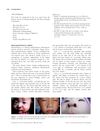 4 citations
,
December 2013 in “International Journal of Dermatology”
4 citations
,
December 2013 in “International Journal of Dermatology” Three children with nasal fungal infections were successfully treated with potassium iodide and sometimes itraconazole.
January 2026 in “Journal of Nanomaterials”  5 citations
,
January 2004 in “Biochimie”
5 citations
,
January 2004 in “Biochimie” Arsenic trioxide effectively treats APL, improving survival rates despite its toxicity.
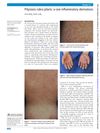 February 2018 in “BMJ case reports”
 An 18-year-old woman was diagnosed with a rare skin condition called Pityriasis rubra pilaris.
February 2019 in “Americanae (AECID Library)” Selenium and zinc deficiency in sheep leads to thyroid and skin problems.
 May 2017 in “Journal of The American Academy of Dermatology”
 A woman with a skin disorder was found to have hepatitis C, which may be linked, and was safely treated with methotrexate.
26 citations
,
January 1983 in “PubMed” Trichothiodystrophy involves brittle hair due to low sulfur amino acids, not a transport defect.
2 citations
,
January 1989 Tay syndrome is a unique genetic disorder causing skin, hair, and developmental issues.
April 2011 in “www.virtualization.info” Early diagnosis of trachyonychia improves treatment and reduces psychological and cosmetic issues.
18 citations
,
February 2021 in “Archives of Dermatological Research” Physcion may help treat hair loss by blocking an enzyme linked to baldness.
144 citations
,
May 1990 in “Journal of the American Academy of Dermatology”