 June 2016 in “CRC Press eBooks”
 Sleep problems and skin issues affect each other; poor sleep can worsen skin conditions, and some skin treatments can improve or harm sleep quality.
 January 2012 in “International Journal of Trichology”
 Psychological factors significantly affect hair health, suggesting a need for integrating mental health care in treating hair loss.
 148 citations
,
December 2018 in “Journal of autoimmunity”
148 citations
,
December 2018 in “Journal of autoimmunity” Alopecia areata is an autoimmune disease causing patchy hair loss, often with other autoimmune disorders, but its exact causes are unknown.
 66 citations
,
December 2014 in “Nature Communications”
66 citations
,
December 2014 in “Nature Communications” Fibroblasts can be turned into melanocytes for potential skin treatments.
 5 citations
,
January 2012 in “Journal of Tissue Science & Engineering”
5 citations
,
January 2012 in “Journal of Tissue Science & Engineering” Collagen membranes improve melanocyte growth for treating skin depigmentation.
 5 citations
,
October 1984 in “The BMJ”
5 citations
,
October 1984 in “The BMJ” Up to 50% of scalp hair can be lost before it appears thin, and treatment is only needed for hair loss caused by diseases or deficiencies.
2 citations
,
November 2024 Machine learning can accurately predict mental disorders.
 2 citations
,
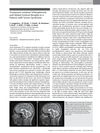
July 2016 in “Pharmacopsychiatry”
2 citations
,
July 2016 in “Pharmacopsychiatry” A person with Turner Syndrome showed severe schizophrenia that didn't respond to treatment and had brain shrinkage.
 1 citations
,
May 2023 in “Cutis”
1 citations
,
May 2023 in “Cutis” Eating disorders can cause skin problems, which may help with early diagnosis and treatment.
1 citations
,
January 2018 in “ScholarWorks (Central Washington University)” Stress and PCOS together may increase depression and anxiety-like behaviors.

Improving oral health may help hair regrowth in children with alopecia areata.
 January 2025 in “Scholars Journal of Medical Case Reports”
 Quetiapine may cause hair loss.
 January 2018 in “Springer eBooks”
 Trichotillomania is a condition where people repeatedly pull out their hair, which can be triggered by stress and has various physical signs.
 July 2012 in “Hair transplant forum international”
 Hair transplant improved self-perception in hair loss patients, but some still remained overly focused on their hair appearance.
 April 2024 in “International journal of impotence research”
 Some men experience persistent sexual, neurological, and psychological symptoms after stopping finasteride, but evidence of permanent damage is inconclusive.
 January 2010 in “Elsevier eBooks”
 Hair transplantation is a treatment for hair loss mainly caused by genetics, with various techniques and potential complications, and results visible after 8-12 months.
 February 2009 in “Journal of The American Academy of Dermatology”
 Most patients with Tuberous sclerosis had neurological or skin issues, and over half had psychiatric problems.
 51 citations
,
January 2014 in “Pediatric Clinics of North America”
51 citations
,
January 2014 in “Pediatric Clinics of North America” The guide explains how to identify and treat children's hair loss, including fungal infections, autoimmune disorders, hairstyle changes, self-correcting conditions, and behavioral therapy for hair-pulling.
 25 citations
,
July 2024 in “Frontiers in Pharmacology”
25 citations
,
July 2024 in “Frontiers in Pharmacology” Rimegepant causes more nausea and skin issues, while ubrogepant causes more muscle issues; personalized treatment is important.
 23 citations
,
July 2021 in “Advances in Therapy”
23 citations
,
July 2021 in “Advances in Therapy” Most people with Alopecia Areata don't get treatment within a year; it's costly and often comes with other health issues.
 19 citations
,
June 2016 in “Gynecological Endocrinology”
19 citations
,
June 2016 in “Gynecological Endocrinology” Women with PCOS often have more sleep problems than the general population.
 16 citations
,
May 2003 in “International Journal of Dermatology”
16 citations
,
May 2003 in “International Journal of Dermatology” Trichotillomania, a disorder where people compulsively pull out their own hair, often starts around age 12, is more common in adult females, and can be treated with behavior therapy and medication.
 14 citations
,
January 2013 in “International Journal of Trichology”
14 citations
,
January 2013 in “International Journal of Trichology” Treating hair loss requires a comprehensive approach that addresses both physical and emotional aspects, with a focus on diagnosis, patient education, and good communication.
 12 citations
,
December 2020 in “Journal of The American Academy of Dermatology”
12 citations
,
December 2020 in “Journal of The American Academy of Dermatology” The COVID-19 pandemic increased symptoms in people with skin picking and hair pulling disorders.
8 citations
,
February 2021 in “Comprehensive psychiatry” People with trichotillomania or skin picking disorder generally sleep worse than those without these conditions.
 6 citations
,
April 2015 in “Behavioural Brain Research”
6 citations
,
April 2015 in “Behavioural Brain Research” Finasteride worsens stress effects on sensory processes, possibly linking to anxiety/depression.
 5 citations
,
November 2021 in “Skin appendage disorders”
5 citations
,
November 2021 in “Skin appendage disorders” Hair loss can cause stress and mental health issues, so treatments should address both the physical and psychological aspects, involving a team of dermatologists, psychologists, and hair specialists.
 5 citations
,
January 2017 in “Biomedical Research-tokyo”
5 citations
,
January 2017 in “Biomedical Research-tokyo” Long-term steroid abuse in athletes causes serious health risks, outweighing any benefits.
 1 citations
,
July 2023 in “International Journal of Molecular Sciences”
1 citations
,
July 2023 in “International Journal of Molecular Sciences” Old psychiatric drugs are increasingly being used for new purposes, and technologies like SmartCube® help create new drugs.