Hair loss can significantly affect mental health.
 July 2004 in “Clinics in Dermatology”
 The Third World Congress of the International Academy of Cosmetic Dermatology discussed various topics like hair disorders, skin conditions, wound healing, shampoo technology, acne treatment, and the use of lasers in dermatology.
 July 2018 in “Elsevier eBooks”
 Up to half of people experience itchy scalp, often due to skin conditions like seborrheic dermatitis or psoriasis, and treatments vary based on the specific cause.
 105 citations
,
February 2017 in “British Journal of Dermatology”
105 citations
,
February 2017 in “British Journal of Dermatology” Survivors of Stevens-Johnson syndrome/toxic epidermal necrolysis need ongoing care for various long-term health problems.
January 2007 in “UNIFESP Institutional Repository (Universidade Federal de São Paulo)” Addressing anxiety and mood disorders is crucial to reduce medication overuse in chronic migraine patients.
 October 2024 in “Journal of Case Reports in Medical Science”
 Psychiatric symptoms can be early signs of systemic lupus erythematosus.
 November 2023 in “Scholars academic journal of biosciences”
 Trichotillomania can cause severe complications like hairballs in the stomach, needing surgery and psychiatric care.
 January 2017 in “International journal of science and research”
 Trichotillomania is a chronic hair-pulling disorder, more common in females, treated with therapy and sometimes medication.
 December 2025 in “Instituto Politécnico do Porto”
 Patients with mood disorders using 5α-reductase inhibitors may have a higher risk of suicidal thoughts.
 41 citations
,
March 1992 in “Archives of Dermatology”
41 citations
,
March 1992 in “Archives of Dermatology” The review suggests that understanding and treating the psychological aspect of skin disorders is important and calls for more collaboration in this field.
 40 citations
,
December 2019 in “Neurobiology of Stress”
40 citations
,
December 2019 in “Neurobiology of Stress” Neuroactive steroids show promise for treating mental and neurological disorders by targeting GABA_A receptors.
 13 citations
,
December 2010 in “Nature Reviews Endocrinology”
13 citations
,
December 2010 in “Nature Reviews Endocrinology” A young man with an eating disorder had a life-threatening adrenal crisis due to an autoimmune condition, highlighting the need for better education on managing hormone treatments.
December 2008 in “The Internet journal of surgery” A 16-year-old girl with a hair-eating disorder needed surgery to remove a hairball from her stomach and small bowel.
4 citations
,
January 2023 in “Indian Dermatology Online Journal” A simple test can help diagnose a rare bruising disorder after ruling out other causes.
Emotional states significantly affect hair growth and hair disorders.
 1 citations
,
December 2021 in “Androgens”
1 citations
,
December 2021 in “Androgens” Testosterone and its metabolites affect brain functions and could help treat neurological disorders.
1 citations
,
March 2013 in “Clinical, cosmetic and investigational dermatology” The boy's hair loss was due to a hair-pulling disorder, not just a fungal infection.
 March 2024 in “Journal of Endocrinological Investigation”
 Finasteride treatment in rats changed the expression of genes related to psychiatric and neurological functions, and these changes persisted after stopping the drug.
 4 citations
,
March 2013 in “Neuropsychiatric Disease and Treatment”
4 citations
,
March 2013 in “Neuropsychiatric Disease and Treatment” A woman with anorexia and Cushing's syndrome improved after tumor removal, highlighting the need to consider hormonal issues in psychiatric conditions.
 January 2023 in “Brazilian Journals Editora eBooks”
 Passiflora incarnata may help with anxiety but has risks and drug interactions.
There's a genetic link between Fragile X Syndrome and Autism Spectrum Disorder.
6.7% of urine cultures showed hospital-acquired urinary tract infections.
Children used screens more during COVID-19, causing various health complaints.
Autism Spectrum Disorder is often underdiagnosed in females.
Dissociative disorders in childhood sexual abuse victims are more common in males.
Most pregnant teenagers are not dissatisfied with their body image but worry about weight.
Diagnosing tuberculosis after knee surgery is challenging due to non-specific symptoms.
Post-COVID-19 syndrome is more common in older, severely affected patients.
Psychiatrists should be part of pain management teams due to the psychological aspects of pain.
 September 2024 in “Pediatrics in Review”
 A trichobezoar caused the girl's recurrent intussusception, and surgery plus psychiatric therapy resolved her symptoms.

Elderly skin care needs personalized treatment, early intervention, and integrated psychiatric care.
Abortion access should be defended on public health grounds, and medical evaluations are crucial in psychiatric cases to avoid misdiagnosis.
 35 citations
,
November 2019 in “Frontiers in Neuroendocrinology”
35 citations
,
November 2019 in “Frontiers in Neuroendocrinology” Men and women have different levels and production of brain steroids, which may affect their risk for certain brain disorders.
 3 citations
,
August 2011 in “Current Psychiatry Reviews”
3 citations
,
August 2011 in “Current Psychiatry Reviews” Family-based treatment is the best outpatient care for stable teens with anorexia, and more research is needed on medication and treatment effectiveness for young people with eating disorders.

A man wrongly believed he had parasites, showing that delusional infestation can affect men and is often linked with other psychiatric issues, but can be treated with antipsychotics.
 1 citations
,
June 2022 in “Movement disorders clinical practice”
1 citations
,
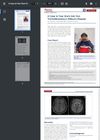
June 2022 in “Movement disorders clinical practice” A patient with Wilson's disease showed hair-pulling behavior as an initial symptom.
 32 citations
,
May 2020 in “European Journal of Pharmacology”
32 citations
,
May 2020 in “European Journal of Pharmacology” Stem cell therapies show promise for hair regrowth but face production and application challenges.
 10 citations
,
September 2022 in “Psychiatry and Clinical Neurosciences”
10 citations
,
September 2022 in “Psychiatry and Clinical Neurosciences” Long COVID affects over half of COVID-19 survivors, causing a range of symptoms like fatigue and neurological issues, with no specific treatment yet.
May 2024 in “International journal of medicine and psychology.” Ganser syndrome may result from both organic and psychogenic factors.