1 citations
,
May 2022 in “The FASEB journal” The document concludes that biotin, folate, and RGD peptides are promising for targeting cancer cells with prodrugs, but the conjugates are not yet tested for use.
August 1996 in “NEJM Journal Watch” The conclusion is unclear about minoxidil's effectiveness for preventing hair loss from chemotherapy.
 59 citations
,
December 2016 in “Supportive Care in Cancer”
59 citations
,
December 2016 in “Supportive Care in Cancer” Core symptoms in breast cancer chemotherapy remain stable, aiding targeted interventions.
 12 citations
,
July 2014 in “Journal of Investigative Dermatology”
12 citations
,
July 2014 in “Journal of Investigative Dermatology” Chemotherapy causes complex changes in hair follicle cells that can lead to hair loss.
11 citations
,
July 2024 in “Cancers” Preventing and managing skin issues from cancer treatment is crucial, especially in high UV areas like Australia and New Zealand.
 March 2010 in “Ejc Supplements”
 Chemotherapy significantly lowers Inhibin A levels in breast cancer patients.
 3 citations
,
May 1980 in “American Journal of Nursing”
3 citations
,
May 1980 in “American Journal of Nursing” Scalp tourniquets did not significantly prevent hair loss from chemotherapy.
January 2015 in “프로그램북(구 초록집)” Korean Red Ginseng may help prevent hair loss from chemotherapy.
February 2020 in “Oncology Times” Antibody drug conjugates show promise in targeting cancer cells while reducing harm to healthy cells.
July 2018 in “IP Indian Journal of Clinical and Experimental Dermatology” Chemotherapy often causes hair loss, so patients should be counseled to reduce anxiety.
5 citations
,
September 2024 in “Journal of Clinical Medicine” Scalp cooling effectively reduces hair loss in breast cancer patients undergoing chemotherapy.
 3 citations
,
November 2022 in “Advances in Clinical and Experimental Medicine”
3 citations
,
November 2022 in “Advances in Clinical and Experimental Medicine” Electric pulse treatments for breast cancer show promise in being safer and more effective, with fewer side effects.
 6 citations
,
August 2009 in “Arquivos Brasileiros de Ciências da Saúde”
6 citations
,
August 2009 in “Arquivos Brasileiros de Ciências da Saúde” A new system was created to classify skin changes in cancer patients based on their treatment.
52 citations
,
June 2009 in “Clinical Toxicology” Polonium poisoning is diagnosed by detecting it in urine and feces, and treated with supportive care, infection prevention, and chelation therapy.
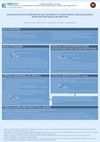
Scalp cooling is recommended to prevent chemotherapy-induced hair loss, but no effective drugs are available.
 January 2024 in “Wiadomości Lekarskie”
 New markers can detect tumors, aid drug delivery, and treat cancer effectively and safely.
5 citations
,
July 2019 in “Investigational new drugs” TLR7-based compounds may help manage chemotherapy-induced hair loss.
85 citations
,
January 1996 in “International Journal of Cancer” AS101 reduces hair loss from chemotherapy.
 59 citations
,
August 2018 in “The oncologist”
59 citations
,
August 2018 in “The oncologist” Some breast cancer patients still experience hair loss three years after chemotherapy, especially with taxane-based treatments.
8 citations
,
September 2015 in “Radiotherapy and oncology” Scalp cooling does not stop hair loss from radiotherapy.
8 citations
,
August 2014 in “Journal of Clinical Oncology” Stereotactic body radiation therapy and radiosurgery are advanced, precise treatments that target tumors while protecting healthy tissue.
 522 citations
,
January 2001 in “Cancer investigation”
522 citations
,
January 2001 in “Cancer investigation” Doxil is an effective, modified chemotherapy drug with a unique toxicity profile and shows promise in treating certain cancers.
November 2008 in “Cancer Prevention Research” Chemoprevention can significantly lower cancer risks and needs more research and collaboration.
 2 citations
,
January 2021 in “Turkiye Klinikleri Journal of Internal Medicine”
2 citations
,
January 2021 in “Turkiye Klinikleri Journal of Internal Medicine” Cancer treatments often cause hair loss, and more research is needed to prevent and treat it.
 3 citations
,
January 2011 in “Wspolczesna Onkologia-Contemporary Oncology”
3 citations
,
January 2011 in “Wspolczesna Onkologia-Contemporary Oncology” Scalp hypothermia can prevent chemotherapy-induced hair loss but is not suitable for all patients, and more research is needed to improve prevention methods.
 2 citations
,
September 2020 in “International journal of radiology & radiation therapy”
2 citations
,
September 2020 in “International journal of radiology & radiation therapy” Radiotherapy can cause rare changes in hair color, which should be discussed with patients.
400 citations
,
October 1995 in “Journal of clinical oncology” Docetaxel is effective against various cancers but mainly causes neutropenia.
Biorregulatory therapy significantly improved the dog's health, reversing previous issues and eliminating the need for ongoing medication.
1 citations
,
January 2023 in “Indian Dermatology Online Journal” Skin and nail changes are common in patients with blood cancers undergoing chemotherapy, affecting their quality of life.
 September 2024 in “Current Oncology”
 Docetaxel often causes hair loss, with limited effective treatments and no cure for permanent hair loss.