 3 citations
,
January 1992 in “Clinical Pediatric Endocrinology”
3 citations
,
January 1992 in “Clinical Pediatric Endocrinology” Patients with the same vitamin D receptor mutation showed different symptoms due to other factors.
 1 citations
,
April 2025 in “Pediatria i Medycyna Rodzinna”
1 citations
,
April 2025 in “Pediatria i Medycyna Rodzinna” Restoring EDA and WNT pathways early may help improve skin, hair, and teeth issues in hypohidrotic ectodermal dysplasia.
 March 2019 in “Journal der Deutschen Dermatologischen Gesellschaft”
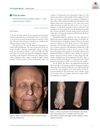
 Rothmund-Thomson syndrome type 2 can cause chronic, poorly healing wounds.
 June 2024 in “British Journal of Dermatology”
 KRT14 gene variants cause dermatopathia pigmentosa reticularis, affecting nails, teeth, and hair.
15 citations
,
November 2012 in “Archives of Ophthalmology” A deletion in the CDH3 gene causes a rare disorder with short hair and vision loss.
130 citations
,
January 2000 in “Nature biotechnology”  March 2023 in “Scientific reports”
 Hair growth-related cells need the enzyme SCD1 to help maintain the area that supports hair growth.
1 citations
,
May 2024 in “Communications Biology” Dab2 protein is crucial for hair follicle stem cell renewal and preventing early aging.
RIPK1 inhibitors might help prevent alopecia areata.
 25 citations
,
November 2018 in “Cell reports”
25 citations
,
November 2018 in “Cell reports” The study concluded that specific proteins are necessary to maintain the structure that holds epithelial cells tightly together.
31 citations
,
March 2016 in “Journal of Investigative Dermatology” AKR1B10 enzyme may cause keloid scars and could be a treatment target.
 18 citations
,
August 2015 in “Biochemical and Biophysical Research Communications”
18 citations
,
August 2015 in “Biochemical and Biophysical Research Communications” XEDAR triggers a specific signaling pathway in cells.
 8 citations
,
August 2015 in “Journal of dermatological science”
8 citations
,
August 2015 in “Journal of dermatological science” Rhododendrol in skin-whitening products can cause skin depigmentation and immune reactions.
3 citations
,
March 2016 in “Experimental Dermatology” A mutation in the hairless gene speeds up severe itchy skin in mice on a special diet.
October 2024 in “Developmental Dynamics” Recent advances show zebrafish can model anemia, Alx4 affects craniofacial and hair development, and mTORC1 is crucial for retinal development.
 24 citations
,
September 2005 in “Journal of Cellular Biochemistry”
24 citations
,
September 2005 in “Journal of Cellular Biochemistry” Retinoids increase steroid sulfatase activity in leukemia cells through RARα/RXR and involves certain pathways like phosphoinositide 3-kinase and ERK-MAP kinase.
 1 citations
,
October 2022 in “JCI insight”
1 citations
,
October 2022 in “JCI insight” Deleting the BRD4 protein in certain skin cells causes hair loss and skin inflammation.
 13 citations
,
November 2017 in “Journal of Cellular and Molecular Medicine”
13 citations
,
November 2017 in “Journal of Cellular and Molecular Medicine” The workshop discussed the role of a protein called calreticulin in health and disease, its potential as a treatment target, and its possible use as a disease marker.
 18 citations
,
February 2010 in “Odontology”
18 citations
,
February 2010 in “Odontology” The document concludes that Rabson-Mendenhall syndrome requires novel treatments for insulin resistance and emphasizes the importance of dental care in affected patients.
 39 citations
,
April 2018 in “Hormones”
39 citations
,
April 2018 in “Hormones” No consistent link between genotype and phenotype in 5-α-Reductase type 2 deficiency.
 April 2019 in “Journal of Investigative Dermatology”
 Removing REDD1 in mice increases skin fat by making fat cells larger and more numerous.
12 citations
,
January 2013 in “Indian dermatology online journal” Dermatopathia pigmentosa reticularis causes skin discoloration, hair loss, and nail problems.
30 citations
,
August 2005 in “British journal of dermatology/British journal of dermatology, Supplement” A specific gene mutation causes hair loss and potential eye issues, even if vision seems normal.
 February 2025 in “International Journal of Molecular Sciences”
 RORA plays a key role in controlling seasonal hair molting by affecting hair follicle cell activity.
 24 citations
,
May 2019 in “PLOS genetics”
24 citations
,
May 2019 in “PLOS genetics” Mutations in the HEPHL1 gene cause abnormal hair and cognitive issues.
March 2008 in “Faculty Opinions – Post-Publication Peer Review of the Biomedical Literature” Local positive feedback helps shape root hair cells by stabilizing growth sites.
 81 citations
,
January 2006 in “Journal of cellular physiology”
81 citations
,
January 2006 in “Journal of cellular physiology” Mice without the vitamin D receptor gene lose hair due to disrupted hair follicle cycles.
Lhx2 helps retinal cells respond to signals for eye development.
 9 citations
,
January 2023 in “International Journal of Biological Sciences”
9 citations
,
January 2023 in “International Journal of Biological Sciences” CTHRC1 is essential for healing and preventing heart rupture after a heart attack.
20 citations
,
April 2014 in “Autoimmunity” A specific gene variant (rs4833095) is linked to a higher risk of alopecia areata in Koreans.