September 2017 in “Journal of Investigative Dermatology” LRIG1 protein affects hair growth by regulating skin receptors, leading to hair loss when overexpressed.
July 2025 in “Journal of Investigative Dermatology” 
New peptides can delay aging and improve cell function.
23 citations
,
October 2015 in “Plastic and reconstructive surgery/PSEF CD journals” Radiesse is a versatile facial injectable used for cosmetic improvements and long-term collagen production, with careful dosing needed to prevent complications.
May 2021 in “bioRxiv (Cold Spring Harbor Laboratory)” rPanglaoDB helps study rare cell types by merging RNA data, confirming fibrocytes' role in healing.
 April 2016 in “The journal of investigative dermatology/Journal of investigative dermatology”
 RPGRIP1L helps skin cells stick together by blocking PKCβII, which can prevent skin blistering like in pemphigus.
 3 citations
,
February 2019 in “Animal biotechnology”
3 citations
,
February 2019 in “Animal biotechnology” The PLP2 gene affects cashmere fiber quality in goats and is linked to hair growth and loss.
14 citations
,
March 2022 in “Plant Cell & Environment” The protein AtRXR3 limits root hair growth in Arabidopsis, affecting phosphorus uptake.
 50 citations
,
January 2016 in “The FEBS journal”
50 citations
,
January 2016 in “The FEBS journal” RANK is a key target in breast cancer treatment due to its role in tumor growth and bone metastasis.
 March 2021 in “Research Square (Research Square)”
 Strontium ranelate helps cartilage growth by blocking a specific cell pathway.
21 citations
,
September 2019 in “International Journal of Nanomedicine” RADA16-I can effectively deliver and release mangiferin, improving its solubility and bioavailability.
 7 citations
,
January 2015 in “Genetics and molecular research”
7 citations
,
January 2015 in “Genetics and molecular research” The RORα gene is active in different parts of cashmere goat hair follicles and may be influenced by melatonin, especially in December when hair growth changes.
478 citations
,
September 1996 in “Proceedings of the National Academy of Sciences” Overexpression of PTHrP in chondrocytes causes short-limbed dwarfism and delayed bone formation in mice.

Female rats showed more panic-related behavior than males, influenced by hormonal cycles and certain drugs.
 46 citations
,
December 2001 in “Journal of Endocrinology/Journal of endocrinology”
46 citations
,
December 2001 in “Journal of Endocrinology/Journal of endocrinology” FLRG and follistatin have different roles in wound healing.
 1 citations
,
September 2020 in “Journal of Dermatological Science”
1 citations
,
September 2020 in “Journal of Dermatological Science” The gene LRRC15 is more active in balding areas of the scalp compared to non-balding areas.
7 citations
,
September 2003 in “Journal of Investigative Dermatology” PAR-1 may play a role in hair growth regulation in human hair follicles.
Retinoic acid can change skin development, like turning scales into feathers or forming glands.
 59 citations
,
January 2015 in “Nanoscale”
59 citations
,
January 2015 in “Nanoscale” The new micelle formulation delivers acne treatment more effectively and safely than current gels.
1 citations
,
January 2012 The CRABP I gene in cashmere goats is highly conserved but has unique features at specific amino sites.

A new compound from Royoporus badius activates immune cells and induces inflammatory responses.
 May 2017 in “bioRxiv (Cold Spring Harbor Laboratory)”
 The peach gene pCTG134 helps control the interaction between auxin and ethylene hormones during fruit ripening.
 April 2026 in “Biomedicines”
 Short peptides show promise as a new treatment for hair regrowth.
19 citations
,
May 2001 in “Endocrinology” Mrp3 may aid in wound healing and hair growth.
RNase L hinders hair follicle regeneration by altering immune signals.
 25 citations
,
February 2013 in “The journal of investigative dermatology/Journal of investigative dermatology”
25 citations
,
February 2013 in “The journal of investigative dermatology/Journal of investigative dermatology” Blocking SCD1 in the skin with XEN103 shrinks sebaceous glands in mice.
research Hair
1 citations
,
January 2016 in “Springer briefs in molecular science” The document suggests using safer, plant-based hair products instead of harmful synthetic ones.
 May 2020 in “International journal of current microbiology and applied sciences”
 A Pug with skin issues was successfully treated for mite and bacterial infections.
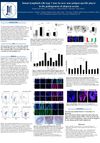
Innate lymphoid cells type 1 may contribute to alopecia areata by damaging hair follicles.
October 2004 in “Veterinary dermatology” Veterinary Dermatology improved its impact and ranking, expanded content, planned online submissions, and emphasized the need for better-designed clinical trials.