 5 citations
,
March 2017 in “Laser Physics Letters”
5 citations
,
March 2017 in “Laser Physics Letters” Different scalp imaging methods are important for studying hair and scalp health and require more volunteers for better evaluation.
 3 citations
,
November 2017 in “International Journal of Pharmacy and Pharmaceutical Sciences”
3 citations
,
November 2017 in “International Journal of Pharmacy and Pharmaceutical Sciences”  8 citations
,
November 2022 in “International Journal of Cosmetic Science”
8 citations
,
November 2022 in “International Journal of Cosmetic Science” Human hair varies widely and should be classified by curl type rather than race.
 15 citations
,
December 2015 in “Textile Research Journal”
15 citations
,
December 2015 in “Textile Research Journal” Adding amber particles to polyamide fibers makes them suitable for medical textiles like compression socks.
 5 citations
,
August 2018
5 citations
,
August 2018 Plant extracts can benefit skin but must be safe and high-quality.
 1 citations
,
December 2018 in “IntechOpen eBooks”
1 citations
,
December 2018 in “IntechOpen eBooks” Human hair shows promise for non-invasive medical testing, but more research is needed to standardize its use.
 January 2026 in “Nanoscale Advances”
 Microneedles combined with light therapy can improve skin disease diagnosis and treatment.
 September 2018 in “University of the Arts London Research Online (University of the Arts London)”
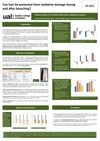
 L-arginine, hydrolysed keratin, and cystine-silanol copolymer can help protect hair from damage during and after bleaching.
 162 citations
,
August 2005 in “The journal of investigative dermatology/Journal of investigative dermatology”
162 citations
,
August 2005 in “The journal of investigative dermatology/Journal of investigative dermatology” The new "differential stripping" method effectively measures how much substance gets into hair follicles.
 14 citations
,
January 2025 in “AAPS PharmSciTech”
14 citations
,
January 2025 in “AAPS PharmSciTech” Microemulsions and nanoemulsions can effectively deliver drugs through the skin, but more research is needed to understand their differences and mechanisms.
 12 citations
,
June 2022 in “FARMACIA”
12 citations
,
June 2022 in “FARMACIA” Transethosomal gels improve naftifine skin delivery better than Exoderil cream.
 5 citations
,
April 2016 in “Proceedings of the Latvian Academy of Sciences. Section B, Natural, Exact and Applied Sciences”
5 citations
,
April 2016 in “Proceedings of the Latvian Academy of Sciences. Section B, Natural, Exact and Applied Sciences” Researchers created small amber particles for use in bioactive and biocompatible fibers that could help with skin and hair restoration and are safe for infant clothing.
 January 2025 in “Nanotechnology Reviews”
 Pumpkin seed extract can create copper oxide nanoparticles with potential antibacterial and cancer-fighting properties.
Reducing iron levels didn't improve heart health or metabolism in women with certain ovarian issues.
 31 citations
,
October 2020 in “Journal of nanomaterials”
31 citations
,
October 2020 in “Journal of nanomaterials” Silver nanoparticles made from Grewia optiva leaf extract show strong antibacterial, antioxidant, and hair growth benefits.
 22 citations
,
August 2019 in “Environmental research”
22 citations
,
August 2019 in “Environmental research” Pseudomonas sp. T5-6-I bacteria increase selenium uptake in Brassica oleracea plants by 130%.
 13 citations
,
May 2016 in “International journal of biological macromolecules”
13 citations
,
May 2016 in “International journal of biological macromolecules” Keratin's mechanical properties are influenced by hydrogen bonds and secondary structure, and can be improved with the SPD-2 peptide.
 2 citations
,
March 2021 in “Journal of Cosmetic Dermatology”
2 citations
,
March 2021 in “Journal of Cosmetic Dermatology” Umbilical cord-derived media is safe and effective for hair growth.

More research is needed to confirm the potential of various treatments, including Helichrysum plicatum, vitamins, bromelain, personalized medications, hydrogels, and bacteriophage therapy.
 January 2023 in “Book of Abstracts”
 COVID-19 can cause different types of hair loss, with telogen effluvium being the most common.
 37 citations
,
August 2014 in “Journal of experimental botany”
37 citations
,
August 2014 in “Journal of experimental botany” A gene in Arabidopsis thaliana, AtPRPL1, affects root hair length but not cell wall composition.
 9 citations
,
November 2018 in “Journal of cosmetic dermatology”
9 citations
,
November 2018 in “Journal of cosmetic dermatology” Orobanche rapum extract rejuvenates skin and protects skin bacteria, leading to healthier skin.
 211 citations
,
June 2012
211 citations
,
June 2012 The skin is a complex barrier for drug penetration, but understanding its structure and interactions can improve drug delivery methods.
 211 citations
,
February 2009 in “European journal of pharmaceutics and biopharmaceutics”
211 citations
,
February 2009 in “European journal of pharmaceutics and biopharmaceutics” Hair follicles help absorb and store topical compounds, aiding targeted drug delivery.
 141 citations
,
November 2005 in “International journal of pharmaceutics”
141 citations
,
November 2005 in “International journal of pharmaceutics” Hair follicles may soon be used more for targeted and systemic drug delivery.
 103 citations
,
January 2009 in “Carbon”
103 citations
,
January 2009 in “Carbon” Pure carbon nanotubes are safe for mice, but impure ones cause immune issues and hair loss.
 97 citations
,
September 2011 in “British Journal of Dermatology”
97 citations
,
September 2011 in “British Journal of Dermatology” The human hair follicle can store topical compounds and be targeted for drug delivery with minimal side effects.
 93 citations
,
November 2018 in “Carbohydrate Polymers”
93 citations
,
November 2018 in “Carbohydrate Polymers” New nanocomposites with copper show promise for healing burn wounds and regenerating skin.
 85 citations
,
July 2025 in “Nature Communications”
85 citations
,
July 2025 in “Nature Communications” Nanozymes greatly improve biocatalysis by being stable, efficient, and versatile.
 78 citations
,
September 2008 in “International Journal of Cosmetic Science”
78 citations
,
September 2008 in “International Journal of Cosmetic Science” The document concludes that various clinical methods are used to assess ageing skin and the effectiveness of anti-ageing products.