 25 citations
,
January 2014 in “Annals of Dermatology”
25 citations
,
January 2014 in “Annals of Dermatology” Sfrp2 increases during hair follicle catagen phase and slows keratinocyte growth.
April 2026 in “Current Opinion in Genetics & Development” RNA is crucial for controlling cell flexibility and regeneration.
166 citations
,
September 2011 in “The Journal of Cell Biology” p63 controls Satb1 to help skin develop properly.
Par3–mInsc and Gαi3 work together to ensure proper cell division orientation in skin development.
 6 citations
,
February 2013 in “Journal of Visualized Experiments”
6 citations
,
February 2013 in “Journal of Visualized Experiments” The method quickly analyzes hair growth genes and shows that blocking Smo in skin cells stops hair growth.
210 citations
,
February 2008 in “Nature genetics” Mutations in the P2RY5 gene cause autosomal recessive woolly hair.
 86 citations
,
April 2016 in “Nature Communications”
86 citations
,
April 2016 in “Nature Communications” Notch1 helps skin heal by attracting specific immune cells.
79 citations
,
January 2002 in “Nucleic Acids Research” BMP-2 activates the Dlx3 gene in mouse skin cells, important for hair and skin development.
1 citations
,
January 2025 in “Proceedings of the National Academy of Sciences” LPAR6 has a unique way of binding and activating, which helps in designing treatments for hair loss and cancer.
 24 citations
,
September 2005 in “Journal of Cellular Biochemistry”
24 citations
,
September 2005 in “Journal of Cellular Biochemistry” Retinoids increase steroid sulfatase activity in leukemia cells through RARα/RXR and involves certain pathways like phosphoinositide 3-kinase and ERK-MAP kinase.
 April 2026 in “Human Genome Variation”
 The MBTPS2 gene variant c.970+5G>A is a common mutation causing IFAP syndrome.
 April 2018 in “Journal of Investigative Dermatology”
 The study found that p63 needs signals from morphogens to help skin cells differentiate properly.
 2 citations
,
December 2020 in “bioRxiv (Cold Spring Harbor Laboratory)”
2 citations
,
December 2020 in “bioRxiv (Cold Spring Harbor Laboratory)” The SYP123-VAMP727 complex is important for transporting materials that harden the root hair shank in Arabidopsis.
 23 citations
,
December 2013 in “British Journal of Dermatology”
23 citations
,
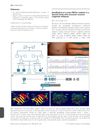
December 2013 in “British Journal of Dermatology” A new gene mutation linked to a skin condition was found in a Spanish family.

Ca²⁺-mediated protein citrullination controls cell growth in the CNS and may help treat brain tumors.
503 citations
,
May 2009 in “Cell stem cell” Lrig1 marks a unique group of stem cells in mouse skin that can become different skin cell types.
 4 citations
,
September 2020 in “Cell division”
4 citations
,
September 2020 in “Cell division” XMU-MP-1 stops cell growth in a human mini-organ and reduces the effectiveness of the chemotherapy drug paclitaxel.
58 citations
,
February 2013 in “Journal of Biological Chemistry” LGR5 mainly stays inside cells, moving to the trans-Golgi network, and this process is important for its role in cell signaling.
 4 citations
,
August 2023 in “Nature Communications”
4 citations
,
August 2023 in “Nature Communications” Mouse zigzag hair bends form due to a 3-day cycle of changes in hair progenitors and their environment.
 178 citations
,
October 2001 in “Genes & Development”
178 citations
,
October 2001 in “Genes & Development” The mutated hairless gene causes hair loss by acting as a new type of corepressor affecting thyroid hormone receptors.
 1 citations
,
April 2021 in “bioRxiv (Cold Spring Harbor Laboratory)”
1 citations
,
April 2021 in “bioRxiv (Cold Spring Harbor Laboratory)” RD26 controls root hair growth during drought by repressing key genes, helping plants save energy.
 January 2025 in “Cellular and Molecular Biology”
 The PIP5K1A gene helps cashmere growth in goats by promoting cell proliferation, and melatonin boosts its expression.
 7 citations
,
December 2008 in “Journal of Dermatological Science”
7 citations
,
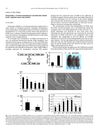
December 2008 in “Journal of Dermatological Science” Progranulin overexpression leads to shorter, thinner hair and increased cell death in mouse hair follicles.

Blocking the Mitochondrial Pyruvate Carrier causes stress in hair follicles, which can be reduced by an ISR inhibitor.
7 citations
,
May 2022 in “Cancers” UC.145 may be a new biomarker for predicting gastric cancer.
 24 citations
,
April 2017 in “Oncology Reports”
24 citations
,
April 2017 in “Oncology Reports” The hair keratin gene KRT81 is found in both normal and breast cancer cells and helps them invade surrounding tissues.
Loss of the p53 gene alone causes tumors, and losing both p53 and Rb genes speeds up aggressive skin cancer.
28 citations
,
November 2012 in “Experimental dermatology” A protein complex called mTORC1 likely affects when hair growth starts in mice.
15 citations
,
July 2015 in “Developmental Dynamics” Orai1 protein is crucial for tooth development and affects enamel thickness and mineralization.
52 citations
,
September 2012 in “Oncogene”