 11 citations
,
January 2012 in “Journal of cell science”
11 citations
,
January 2012 in “Journal of cell science” Rac1 is essential for proper hair structure and color.
11 citations
,
January 2021 in “British Journal of Dermatology” Mutations in the AP1B1 gene cause a new syndrome with skin, hearing, and developmental issues.
 February 2025 in “Journal of Clinical Investigation”
 RNase L hinders hair growth by altering immune signals.
39 citations
,
December 2012 in “The American Journal of Human Genetics” Mutations in the SNRPE gene cause hereditary hair loss.
75 citations
,
September 2016 in “EMBO journal” PRC2 is essential for maintaining intestinal cell balance and aiding regeneration after damage.
September 2019 in “The journal of investigative dermatology/Journal of investigative dermatology” New RIPK4 gene mutations were found to cause a type of skin and limb birth defect.
September 2017 in “Journal of Investigative Dermatology” LRIG1 protein affects hair growth by regulating skin receptors, leading to hair loss when overexpressed.
 37 citations
,
August 2014 in “Journal of experimental botany”
37 citations
,
August 2014 in “Journal of experimental botany” A gene in Arabidopsis thaliana, AtPRPL1, affects root hair length but not cell wall composition.
The scant hair in snthr-1Bao mice is likely caused by a deletion affecting the Plcd1 gene.
51 citations
,
December 2006 in “Mammalian Genome” 6 citations
,
January 2006 in “Journal of dermatological science” Runx1 helps control the KAP5 gene in human hair follicles.
14 citations
,
March 2022 in “Plant Cell & Environment” The protein AtRXR3 limits root hair growth in Arabidopsis, affecting phosphorus uptake.
 January 1999 in “Journal of the European Academy of Dermatology and Venereology”
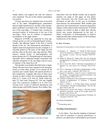
 RAPK is a rare skin disorder with pigmented spots, mainly on hands and feet, starting in youth.
 December 2022 in “Research Square (Research Square)”
 The QuantAnts machines can find cancer markers and create CRISPR targets for them.
70 citations
,
August 2006 in “Cancer Research” AP-1 controls tumor cell type by affecting key signaling pathways.
39 citations
,
August 1998 in “FEBS Letters” Two new enzymes, PAD-R11 and PAD-R4, were cloned and showed activity, with PAD-R11 resembling epidermal enzymes.
5 citations
,
June 2008 in “British Journal of Dermatology” 30 citations
,
June 1993 in “The Journal of Cell Biology” The oncoprotein causes abnormal hair growth without increasing skin cancer risk.
 7 citations
,
March 2022 in “Scientific reports”
7 citations
,
March 2022 in “Scientific reports” Removing anthrax toxin receptor 1 in pigs prevents Senecavirus A infection and causes a rare disease similar to GAPO syndrome.
 12 citations
,
June 2020 in “Frontiers in Cell and Developmental Biology”
12 citations
,
June 2020 in “Frontiers in Cell and Developmental Biology” The PP2A-B55α protein is essential for brain and skin development in embryos.
324 citations
,
May 2002 in “Oncogene” Defective protein folding due to a mutation is key in ANE syndrome.
 15 citations
,
December 2014 in “PLoS ONE”
15 citations
,
December 2014 in “PLoS ONE” A mutation in the iRhom2 gene causes hairless mice due to abnormal hair follicle development.
2 citations
,
November 2004 in “Blood” RXRa is crucial for Th2 immune cell development and may link nutrition to immune health.
 May 2022 in “Frontiers in Cell and Developmental Biology”
 miR-29a-5p prevents the formation of early hair structures by targeting a gene important for hair growth and is regulated by a complex network involving lncRNA627.1.
21 citations
,
August 2007 in “Experimental Dermatology” Overexpression of hurpin in mice leads to abnormal skin and higher skin cancer risk.
28 citations
,
January 2015 in “Journal of Cell Science” PINCH-1 is crucial for skin cell adhesion and movement, working with EPLIN and ILK.
October 2014 in “Cancer research” Blocking mTORC1 reduces skin tumor growth in mice.
 April 2017 in “Journal of Investigative Dermatology”
 PRC1 influences skin stem cell development by both turning genes on and off, affecting hair growth and skin cell types.
July 2022 in “Journal of Investigative Dermatology” TRPS1 loss in balding scalp areas contributes to hair loss in androgenic alopecia.