3 citations
,
July 2022 in “Brain and Behavior” The HtrA1L364P mutation causes brain dysfunction and blood vessel damage.
 April 2024 in “bioRxiv (Cold Spring Harbor Laboratory)”
 A gene network led by RSL4 is crucial for early root hair growth in response to cold in Arabidopsis thaliana.
109 citations
,
February 2018 in “CB/Current biology” ERULUS controls root hair growth by regulating cell wall composition and pectin activity.
 1 citations
,
March 2023 in “bioRxiv (Cold Spring Harbor Laboratory)”
1 citations
,
March 2023 in “bioRxiv (Cold Spring Harbor Laboratory)” NAC1 controls certain enzymes that reduce root hair growth in Arabidopsis.
7 citations
,
January 2025 in “Journal of Experimental & Clinical Cancer Research” PRMT5 inhibitors effectively fight adenoid cystic carcinoma in salivary glands.
 27 citations
,
September 1999 in “Journal of Investigative Dermatology”
27 citations
,
September 1999 in “Journal of Investigative Dermatology” Human skin cells contain Protease Nexin-1, and male hormones can decrease its levels, potentially affecting hair growth.
10 citations
,
December 2008 in “Molecular Carcinogenesis” The PML protein helps prevent skin cancer in mice.
 October 2023 in “Psychiatry research. Case reports”
 A new HRAS gene variant may cause a range of symptoms including intellectual disability and psychiatric issues.
5 citations
,
September 2013 in “BMB Reports” BMPR1a-ECD reduces wrinkles much more effectively than retinoic acid.
 4 citations
,
June 2025 in “Medeniyet Medical Journal”
4 citations
,
June 2025 in “Medeniyet Medical Journal” TMPRSS2 is crucial for COVID-19 infection and is a potential target for treatment.
 April 2019 in “Journal of Investigative Dermatology”
 BRG1 is essential for skin cells to move and heal wounds properly.
8 citations
,
January 2022 in “BMC Biology” Environmental factors affect reproductive traits by altering the SRD5A1 gene.
 3 citations
,
April 2012 in “Bioinformation”
3 citations
,
April 2012 in “Bioinformation” Two specific SNPs in the TRPS1 gene cause excessive hair growth by altering the protein's structure.
 178 citations
,
October 2001 in “Genes & Development”
178 citations
,
October 2001 in “Genes & Development” The mutated hairless gene causes hair loss by acting as a new type of corepressor affecting thyroid hormone receptors.
The balance between cell renewal and differentiation controls the growth of cancerous cells in mouse skin.
 9 citations
,
January 2011 in “EXPERIMENTAL ANIMALS”
9 citations
,
January 2011 in “EXPERIMENTAL ANIMALS” A new rat strain with a specific gene mutation causes hair loss and kidney issues.
139 citations
,
August 2006 in “Molecular and Cellular Biology” Rac1 is vital for hair follicle health but not needed for skin maintenance.
 21 citations
,
February 2017 in “PLoS ONE”
21 citations
,
February 2017 in “PLoS ONE” RhoA helps skin stem cells grow, aiding wound healing.
 19 citations
,
May 2006 in “Clinical and Experimental Dermatology”
19 citations
,
May 2006 in “Clinical and Experimental Dermatology” Researchers found a new mutation causing total hair loss from birth.
 July 2024 in “British journal of dermatology/British journal of dermatology, Supplement”
 A variant in the KRT31 gene causes a rare hereditary hair disorder called monilethrix.
December 2024 in “Regenerative Therapy” Inhibiting SFRP1 may help treat hair loss.
5 citations
,
December 2023 in “Current Biology” A feedback loop between LRH and RSL4 controls root hair growth in Arabidopsis.
38 citations
,
January 2014 in “Journal of Dermatological Science” Krtap11-1 is important for hair strength and structure.
April 2025 in “Molecular Biology Reports” DNMT1 may help treat hypospadias by improving cell function and preventing unwanted cell changes.
6 citations
,
March 1996 in “Journal of Investigative Dermatology” 9 citations
,
November 2013 in “Journal of Investigative Dermatology” Overexpressing CtBP1 in skin cells causes skin and hair problems.
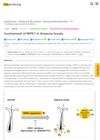
RIPK1 inhibitors might help prevent alopecia areata.
 December 2024 in “Animals”
 RORA may help regulate hair growth by affecting hair follicle stem cells.
70 citations
,
December 2008 in “Cancer Research” CXCR2 in skin cells promotes tumor growth.