1 citations
,
June 2024 in “Frontiers in Physiology” Endoplasmic reticulum stress plays a key role in developing atherosclerosis.
42 citations
,
July 2015 in “PLoS ONE” The study revealed the detailed structure of a keratin dimer, aiding understanding of how intermediate filament proteins function.
18 citations
,
August 2024 in “eLife” JAK inhibition may help manage autoimmune conditions in Down syndrome.
97 citations
,
June 2013 in “Journal of Dermatological Science” Understanding EGFR's role in skin is crucial for better treatments and managing side effects.
 May 2026 in “Scientific Reports”
 Overexpression of LRIG3 in skin causes hair loss.
January 2026 in “Journal of Dermatological Science” DcR3 helps heal wounds and regrow hair by changing macrophages to a repair-focused type.
November 2025 in “Journal of Investigative Dermatology” Alpha-MSH affects mitochondrial function, and MC1R mutations may increase skin aging.
 14 citations
,
October 2018 in “Brain Research Bulletin”
14 citations
,
October 2018 in “Brain Research Bulletin” Exosomes help nerve fibers grow by affecting specific cell signaling pathways.
 113 citations
,
June 2015 in “Stem Cell Research & Therapy”
113 citations
,
June 2015 in “Stem Cell Research & Therapy” Wnt and Notch signaling help wound healing by promoting cell growth and regulating cell differentiation.
 April 2025 in “Journal of Pharmaceutical Investigation”
 Low-dose rapamycin microdepots can help regrow hair by activating certain cell processes.
2 citations
,
March 2021 in “Andrologia” Stem cell therapy affects 15 key genes in rats with diabetes-related erectile dysfunction.
 1 citations
,
July 2023 in “Nature communications”
1 citations
,
July 2023 in “Nature communications” MOF controls key genes for skin development by regulating mitochondrial and ciliary functions.
March 2026 in “Experimental Dermatology” The new model helps understand and develop treatments for genetic skin disorders like AEC.
9 citations
,
May 2002 in “PubMed” Retinoic acid affects skin and hair health by working with specific receptors, and its absence can lead to hair loss and skin changes.
 April 2018 in “Journal of Investigative Dermatology”
 The research found that blocking a gene called NEMO can potentially prevent harmful effects of aging at the cellular level.
April 2019 in “Journal of Investigative Dermatology” FGFR2 signaling controls Merkel cell formation in different skin regions.
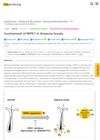
RIPK1 inhibitors might help prevent alopecia areata.
ANE syndrome is caused by a mutation in the RBM28 protein that disrupts ribosome assembly.
September 2017 in “Journal of Investigative Dermatology” Activating the hexosamine pathway can improve skin health and increase hair follicle stem cells.
September 2017 in “Journal of Investigative Dermatology” Activating Nrf2 helps wounds heal faster by increasing hair follicle stem cells.
51 citations
,
December 2006 in “Mammalian Genome” June 2026 in “Frontiers in Immunology” JAK inhibitors effectively treat inflammatory skin diseases by targeting specific cytokine signals.
35 citations
,
June 2012 in “PloS one” Keratin 15 expression in skin cells is regulated by two mechanisms involving PKC/AP-1 and FOXM1.
July 2024 in “Journal of Investigative Dermatology” ITK inhibitors may effectively treat alopecia areata.
 July 2026 in “International Journal of Stem Cells”
 Genetically engineered mouse models help identify key pathways and targets for melanoma treatment.
 January 2008 in “Journal of The American Academy of Dermatology”
 ROS may affect hair loss related to hormones.
 34 citations
,
August 2016 in “Scientific Reports”
34 citations
,
August 2016 in “Scientific Reports” Blocking TGFβ-RI signaling enhances surface ectoderm differentiation from human stem cells.
 2 citations
,
May 2023 in “Cancer medicine”
2 citations
,
May 2023 in “Cancer medicine” KRT80 may worsen cancer by increasing growth and spread, but its full effects on treatment and outcomes need more research.
 June 2024 in “British Journal of Dermatology”
 KRT14 gene variants cause dermatopathia pigmentosa reticularis, affecting nails, teeth, and hair.
S1PR1 helps control inflammation in blood vessel cells by affecting gene activity differently in various cell types and locations.