35 citations
,
April 2008 in “Journal of Biological Chemistry” Hirosaki hairless rats lack hair due to missing DNA with key keratin genes.
January 2022 in “Menoufia Medical Journal /Menoufia Medical Journal” Higher levels of retinol-binding protein 4 are found in people with alopecia areata, but these levels don't relate to how severe the condition is.
July 2025 in “Dermatology Practical & Conceptual” Hair changes and a high occipital hairline may help diagnose Trichorhinophalangeal Syndrome.
 1 citations
,
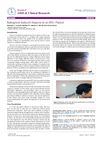
November 2011 in “Journal of AIDS & Clinical Research”
1 citations
,
November 2011 in “Journal of AIDS & Clinical Research” Raltegravir may cause hair loss in some patients.
 15 citations
,
May 2014 in “Journal of dermatology”
15 citations
,
May 2014 in “Journal of dermatology” Zouboulis syndrome is a rare condition that helps diagnose monosomy 18p early.
September 2017 in “Journal of Investigative Dermatology” LRIG1 protein affects hair growth by regulating skin receptors, leading to hair loss when overexpressed.
July 2025 in “Kottakkal Journal of Ayurvedic Medicine And Research” Bakuchi therapy significantly improved psoriasis symptoms.
4 citations
,
November 1998 in “Pediatrics in review” Scalp fungal infections need oral antifungals, while other skin fungal infections can be treated with creams; keep areas dry and don't stop treatment early.
3 citations
,
March 2009 in “Hirosaki University Repository for Academic Resources (Hirosaki University)” Hirosaki hairless rats have sparse, twisted hair due to missing hair keratin genes.
 April 2024 in “Frontiers in pharmacology”
 Brepocitinib 30mg is most effective for moderate-to-severe alopecia areata, but ritlecitinib 50mg may offer a better balance of safety and effectiveness.
 9 citations
,
January 2011 in “EXPERIMENTAL ANIMALS”
9 citations
,
January 2011 in “EXPERIMENTAL ANIMALS” A new rat strain with a specific gene mutation causes hair loss and kidney issues.
1 citations
,
January 2023 in “International journal of molecular sciences” Rabbits with Sarcoptes scabiei had thicker skin, cell death, and skin hardening.
11 citations
,
December 2013 in “Clinical and Experimental Dermatology” Sorafenib often causes skin side effects, indicating effective cancer treatment.
2 citations
,
July 2021 in “Genes” A specific genetic change in the KRT71 gene causes a hair loss condition in Hereford cattle.
12 citations
,
December 2021 in “Dermatology” Trichoscopy can help diagnose and assess disease activity in connective tissue diseases by identifying specific hair and scalp signs.
33 citations
,
January 1996 in “CRC Press eBooks” Various techniques help study skin conditions and test drug effects.
139 citations
,
September 2001 in “The journal of investigative dermatology/Journal of investigative dermatology” Mutations in the Vitamin D receptor gene can cause hair loss similar to mutations in the Hairless gene.
 May 2015 in “Journal of The American Academy of Dermatology”
 A woman with Parry-Romberg syndrome developed new curly hair on one side of her scalp, a condition not previously linked to the syndrome.
15 citations
,
January 2025 in “Journal of the European Academy of Dermatology and Venereology” Ritlecitinib is effective and safe for treating alopecia areata, promoting significant hair regrowth.
 5 citations
,
September 2013 in “The Journal of Dermatology”
5 citations
,
September 2013 in “The Journal of Dermatology” Researchers found a new mutation in the HR gene causing hair loss and skin bumps in a Pakistani family.

Pathologists need better education and collaboration with dermatologists for accurate alopecia diagnosis.
8 citations
,
June 2016 in “Journal of Investigative Dermatology” A rare genetic deletion in the KRT1 gene causes unique skin symptoms in a family.
1 citations
,
April 2025 in “Experimental Dermatology” Topical ruxolitinib may help some skin conditions but needs more research for alopecia areata.
 14 citations
,
March 2014 in “Journal of The American Academy of Dermatology”
14 citations
,
March 2014 in “Journal of The American Academy of Dermatology” Symmetrical Acrokeratoderma (SAK) may be a unique skin condition in China, lacking specific treatment and needing long-term monitoring.
 November 2023 in “The journal of investigative dermatology/Journal of investigative dermatology”
 Removing MCPIP1 from myeloid cells in mice leads to hair loss and prevents skin tumors but causes pigmented spots.
February 2026 in “Scientific Messenger of LNU of Veterinary Medicine and Biotechnology” Dermatophytosis in cats is treated with antifungal medications.
 January 2026 in “Forum Dermatologicum”
 Hair loss can be caused by cancer, treatments, or skin conditions, and trichoscopy helps diagnose it.
 January 2021 in “Journal of Cancer Therapy”
 Tyrosine Kinase Inhibitors are effective against cancer but can cause skin, digestive, and blood side effects, including hair loss.
91 citations
,
November 2008 in “Journal of biological chemistry/The Journal of biological chemistry” DGAT1 enzyme is crucial for healthy skin and hair by regulating retinoid levels.
30 citations
,
May 2020 in “Forensic Science International Genetics” The method improved hair analysis for better forensic identification.