 47 citations
,
June 2014 in “Journal of Dermatological Treatment”
47 citations
,
June 2014 in “Journal of Dermatological Treatment” Most treatments for lichen planopilaris were found to be generally unsatisfactory.
38 citations
,
May 2017 in “Medical Science Monitor” Myositis in lupus patients is linked to skin rash, hair loss, blood issues, and high disease activity.
2 citations
,
January 2014 in “Case Reports in Clinical Medicine” Cronkhite-Canada syndrome is a rare condition causing gut polyps, hair loss, skin changes, and nail issues, often with a poor outlook.
1 citations
,
November 2025 in “Neuro-Oncology” Safusidenib erbumine shows promise as a treatment for certain brain tumors, but mild side effects like hair loss need attention.
 1 citations
,
September 2022 in “Molecules”
1 citations
,
September 2022 in “Molecules” Fructus Malvae may help with diabetes, tumors, and hair loss due to its various active compounds.

Compounded topical minoxidil works better and is more tolerated than over-the-counter minoxidil for treating hair loss in Black women.
 August 2024 in “Australasian Journal of Dermatology”
 Finasteride users have a very low risk of mental health issues, but those with hair loss may have slightly higher anxiety and depression.
 May 2023 in “Scientific Reports”
 The seed extract of Lepidium sativum L. can potentially treat hair loss, showing effects similar to 5% minoxidil.
 January 2023 in “Al-Azhar International Medical Journal /Al-Azhar International Medical Journal”
 Panoramic Trichoscopy is a new, better way to assess widespread hair loss.
 March 2014 in “Faculty Opinions – Post-Publication Peer Review of the Biomedical Literature”
 Dutasteride 0.5mg was found to be more effective than finasteride 1mg in treating male pattern hair loss, with similar side effects.
 21 citations
,
February 2012 in “Journal of the European Academy of Dermatology and Venereology”
21 citations
,
February 2012 in “Journal of the European Academy of Dermatology and Venereology” Late-onset alopecia areata in Taiwanese patients is more common in women, usually starts at age 57, often involves less than 10% hair loss, and may have a minimal link to thyroid issues.
 September 2017 in “Pediatric Dermatology”
 The document concludes that an experimental drug may help wound healing in Epidermolysis Bullosa, links Hydroa vacciniforme to EBV, discusses diagnosing hair loss disorders, finds many children with eczema have allergies, reviews the safety of a skin medication in children, notes side effects of a Duchenne's treatment, and identifies a marker for pediatric mastocytosis.
 June 2014 in “British Journal of Dermatology”
 Eczema patients have a lower skin lipid to protein ratio, older and longer-staying hospital patients are more likely to get pressure ulcers, hair loss in AGA is linked to muscle degeneration, vitamin D deficiency is common in alopecia areata and linked to its severity, standard liver tests don't effectively detect fibrosis in psoriasis patients on methotrexate, and bullous pemphigoid patients have a higher death risk but combination therapy may reduce it.
 23 citations
,
April 2021 in “Journal of Clinical Medicine”
23 citations
,
April 2021 in “Journal of Clinical Medicine” Frontal Fibrosing Alopecia's cause is unclear, affects mainly postmenopausal women, and current treatments focus on stopping hair loss rather than regrowth.
 9 citations
,
December 2020 in “Dermatologic Therapy”
9 citations
,
December 2020 in “Dermatologic Therapy” Certain drugs are effective for skin conditions like psoriasis, vitiligo, and hair loss.
 January 2006 in “Elsevier eBooks”
 Cats with Feline Symmetrical Alopecia can regrow hair with proper treatment based on the specific cause, including diet, medication, or stress management.
 April 2023 in “The journal of investigative dermatology/Journal of investigative dermatology”
 Phototherapy helps some patients with alopecia areata regrow hair, especially those with hair at treatment start and less severe forms of the condition.
6 citations
,
February 2002 Spondias mombin bark may help treat certain cancers but can cause side effects like increased heart rate.
 45 citations
,
January 2010 in “International journal of trichology”
45 citations
,
January 2010 in “International journal of trichology” Topical immunotherapy, especially with DPCP, is effective for treating severe alopecia areata.
1 citations
,
December 2025 in “Photodermatology Photoimmunology & Photomedicine” Phototherapy effectively treats certain alopecia areata types, especially if started early.
4 citations
,
December 2014 in “Dermatologica sinica/Zhōnghuá pífūkē yīxué zázhì” The excimer lamp is a safe and effective treatment for severe alopecia areata.
9 citations
,
March 2022 in “Journal of Chemical Information and Modeling” New inhibitors may reduce gut toxicity from cancer drugs.
 4 citations
,
May 2020 in “Annals of palliative medicine”
4 citations
,
May 2020 in “Annals of palliative medicine” Plum blossom needle acupuncture with qi-invigorating therapy is more effective for Seborrheic Alopecia than Western medicine.
 January 2025 in “Journal of Cutaneous Immunology and Allergy”
 Baricitinib is effective for treating severe alopecia areata in Japanese patients, but long-term safety needs more study.
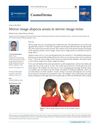
Mirror-image twins can have alopecia areata on opposite sides of their heads.
 November 1966 in “British Journal of Dermatology”
 The meeting discussed various skin conditions, treatments, and unusual cases, highlighting the effectiveness of tetracycline in treating rosacea.
147 citations
,
October 2021 in “Cancer Communications” RC48 shows promise for treating certain advanced cancers, but more research is needed.
137 citations
,
December 2006 in “Arthritis Research & Therapy” Mycophenolate mofetil is safer and more effective than cyclophosphamide for treating lupus nephritis.
9 citations
,
April 2010 in “Lung cancer” Combining gemcitabine with paclitaxel is more effective than with pemetrexed for advanced lung cancer.
 1 citations
,
December 2021 in “Tropical Journal of Pharmaceutical Research”
1 citations
,
December 2021 in “Tropical Journal of Pharmaceutical Research” Kanglaite injection with chemotherapy improves treatment and reduces side effects for advanced lung cancer.