 June 2023 in “International Journal of Research in Dermatology”
 Certain gene variations are linked to severe acne in Egyptian patients and could guide treatment choices.
 September 2019 in “Journal of Investigative Dermatology”
 Retinol significantly reduces neck wrinkles.
 April 2018 in “The journal of investigative dermatology/Journal of investigative dermatology”
 Researchers created a 3D-printed skin model that grew human hair when grafted onto mice by improving blood supply to the grafts.
October 2014 in “Archivio Istituzionale della Ricerca (Universita Degli Studi Di Milano)” A new type of nerve cell involved in itch perception was discovered.
 March 2010 in “Ejc Supplements”
 ROR-alpha may increase the growth of certain breast cancer cells by boosting aromatase, which could affect breast cancer prognosis.

mEphA1 receptor tyrosine kinase is important for skin and hair development and may play a role in certain diseases.
January 2007 in “Queen Mary Research Online (Queen Mary University of London)” GLI and EGF signalling affect Basal Cell Carcinoma development and could be therapeutic targets.
 September 1998 in “JEADV. Journal of the European Academy of Dermatology and Venereology/Journal of the European Academy of Dermatology and Venereology”
 Hair changes could indicate neurological diseases and help monitor treatment.
 April 2017 in “Journal of Investigative Dermatology”
 Found new possible treatments for hair loss.
 3 citations
,
October 2021 in “Clinica Chimica Acta”
3 citations
,
October 2021 in “Clinica Chimica Acta” Hormone levels in hair vary across the head, with the highest concentration of a key hormone linked to hair loss at the top.
 2 citations
,
November 1998 in “Journal of The European Academy of Dermatology and Venereology”
2 citations
,
November 1998 in “Journal of The European Academy of Dermatology and Venereology” Prednisone reduces organ mast cell infiltration but does not alter the abnormal appearance of mast cells in systemic mastocytosis.
 July 2025 in “Frontiers in Medicine”
 Single-spin and double-spin PRP methods are equally effective for treating hair loss.
 February 1999 in “Analytical Sciences”
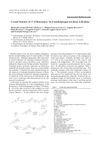
 A new antiandrogen compound was made and its detailed three-dimensional shape was described.
 32 citations
,
February 2019 in “Journal of neurochemistry”
32 citations
,
February 2019 in “Journal of neurochemistry” Sex hormones affect brain injury differently in males and females.
 835 citations
,
October 2008 in “Nature Genetics”
835 citations
,
October 2008 in “Nature Genetics” Lgr5 is a marker for active, long-lasting stem cells in mouse hair follicles.
299 citations
,
March 2001 in “Journal of Investigative Dermatology” Male pattern baldness is linked to specific genetic variations in the androgen receptor gene.
 179 citations
,
March 2005 in “British Journal of Dermatology”
179 citations
,
March 2005 in “British Journal of Dermatology” Oral antiandrogens effectively treat female hair loss, with better results in higher hair loss grades.
166 citations
,
February 2005 in “Behavioural brain research” Vitamin D receptor knockout mice have significant motor impairments but no cognitive deficits.
129 citations
,
October 2017 in “BMC Genomics” The study improved understanding of gene roles in cashmere goat hair growth, aiding future cashmere production.
111 citations
,
August 1998 in “Journal of Investigative Dermatology” μ-opiate receptors in skin cells may affect skin health and healing.
107 citations
,
April 2014 in “The Plant cell” The CAP1 gene helps control ammonium levels and is necessary for the proper growth of root hairs in Arabidopsis.
89 citations
,
August 2013 in “PloS one” Androgen receptors are active in many tissues of both male and female mice, not just reproductive organs.
 89 citations
,
August 2008 in “Human genetics”
89 citations
,
August 2008 in “Human genetics” The EDAR gene greatly affects hair thickness in Asian populations.
 77 citations
,
June 2007 in “PLoS ONE”
77 citations
,
June 2007 in “PLoS ONE” Birds can regenerate inner ear cells using specific gene pathways, unlike mammals.
 76 citations
,
April 2013 in “PLoS ONE”
76 citations
,
April 2013 in “PLoS ONE” Chronic stress can cause hair loss by increasing oxidative stress, but antioxidants may help.
 74 citations
,
October 1998 in “Journal of biological chemistry/The Journal of biological chemistry”
74 citations
,
October 1998 in “Journal of biological chemistry/The Journal of biological chemistry” The 190-kbp domain contains all human type I hair keratin genes, showing their organization and evolution.
 72 citations
,
February 2011 in “American Journal of Biological Anthropology”
72 citations
,
February 2011 in “American Journal of Biological Anthropology” The conclusion is that recognizing hair growth cycles can improve the precision of dietary and health assessments from hair analysis.
 70 citations
,
November 1984 in “Cell & tissue research/Cell and tissue research”
70 citations
,
November 1984 in “Cell & tissue research/Cell and tissue research” Vitamin D3 affects cell differentiation in specific skin areas.
 68 citations
,
May 2018 in “PLOS Biology”
68 citations
,
May 2018 in “PLOS Biology” Cyclosporine A may help treat hair loss by blocking a protein that inhibits hair growth.
66 citations
,
February 2007 in “The journal of investigative dermatology/Journal of investigative dermatology” Adenosine may promote hair growth by increasing FGF-7 levels in dermal papilla cells.