 April 2019 in “Journal of Investigative Dermatology”
 Skin grafts from related donors significantly healed chronic wounds in patients with a severe skin condition over a year.
November 2024 in “Journal of Investigative Dermatology” July 2024 in “Journal of Investigative Dermatology” CRISPR/Cas9 and prime editing can potentially fix skin disorder genes safely and effectively.
August 2022 in “Tissue Engineering Part A” Advancements in skin treatment and wound healing include promising gene therapy, 3D skin models, and potential new therapies.
 September 2019 in “Journal of Investigative Dermatology”
 Targeted therapy with Ustekinumab significantly improved a skin condition called ILVEN, which is caused by mutations in the CARD14 gene.
 July 2022 in “Dermatology practical & conceptual”
 Henna ointment may help reduce itching and improve wound healing in patients with epidermolysis bullosa.
 November 2022 in “Journal of Investigative Dermatology”
 Scientists developed a new way to study mutations in a skin condition using blood cells, which may help diagnose and treat the disease.
3 citations
,
August 2024 in “Dermatology and Therapy” Gene and cell therapies are being developed to treat rare skin conditions like epidermolysis bullosa and ichthyosis.
 9 citations
,
July 2021 in “Dermatology and Therapy”
9 citations
,
July 2021 in “Dermatology and Therapy” New treatments for epidermolysis bullosa show promise in improving patients' lives, but a cure is still not available.
 5 citations
,
January 2015 in “Skin appendage disorders”
5 citations
,
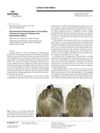
January 2015 in “Skin appendage disorders” Colored hair-thickening fibers can help hide hair loss in some people with Epidermolysis Bullosa but may cause scalp irritation.
51 citations
,
January 1997 in “PubMed” GABEB is a less severe skin condition caused by a gene mutation affecting collagen, leading to blisters and other symptoms.
 6 citations
,
January 2016 in “Dermatology Review”
6 citations
,
January 2016 in “Dermatology Review” Stem cells show promise for treating skin conditions and aiding healing.
 1 citations
,
January 2013 in “Journal of Investigative Dermatology”
1 citations
,
January 2013 in “Journal of Investigative Dermatology” The document concludes that stem cells and their environments are crucial for skin and hair health and have potential for medical treatments.
 43 citations
,
November 2018 in “Nature Communications”
43 citations
,
November 2018 in “Nature Communications” Genetic variations affecting skin structure play a key role in severe acne.
 12 citations
,
May 2011 in “Dermatologic Clinics”
12 citations
,
May 2011 in “Dermatologic Clinics” Hair loss in autoimmune blistering skin diseases varies and may regrow with disease control.
 518 citations
,
November 2014 in “Science”
518 citations
,
November 2014 in “Science” Skin grafting and wound treatment have improved, but we need more research to better understand wound healing and create more effective treatments.
185 citations
,
December 2010 in “Archives of Biochemistry and Biophysics” Keratin gene mutations cause various skin and hair disorders, but new research offers hope for future treatments.
10 citations
,
June 2021 in “EMBO reports” When skin blisters, healing the wound is more important than growing hair, and certain stem cells mainly fix the blisters without helping hair growth.
 6 citations
,
August 2022 in “The Italian Journal of Pediatrics/Italian journal of pediatrics”
6 citations
,
August 2022 in “The Italian Journal of Pediatrics/Italian journal of pediatrics” New genetic mutations linked to rare skin disorders were found in three newborns.
 November 2017 in “British journal of nursing”
 Charities help patients manage their own health by providing resources and support.
 August 2024 in “Indian Journal of Skin Allergy”
 Stem-cell therapy shows promise for skin conditions but needs more research.
February 2025 in “Biochemistry” Stem cell therapy shows promise for treating skin disorders.
The document concludes that the girl's hairlessness is likely inherited from her parents.
November 2025 in “BMC Genomics” Wrinkled skin in Xiang pigs is linked to gene changes related to oxidative stress and the extracellular matrix.
 October 2013 in “Journal of Investigative Dermatology”
 Collagen VII helps skin heal and stay strong, sirolimus may lower skin cancer risk in kidney transplant patients, high-molecular-mass hyaluronan helps naked mole rats resist cancer, dermal γδ T cells aid in hair growth in rodents, and overexpression of IL-33 in mouse skin causes itchiness, offering a model for studying allergic inflammation treatments.
 July 2023 in “Media Dermato Venereologica Indonesiana”
 Early diagnosis, stopping the suspected drug, and supportive care are crucial for treating Stevens-Johnson Syndrome and Toxic Epidermal Necrolysis.
 July 2023 in “Media Dermato Venereologica Indonesiana”
 Corticosteroids effectively treated a 60-year-old man's skin condition.
 31 citations
,
August 2005 in “The American Journal of Dermatopathology”
31 citations
,
August 2005 in “The American Journal of Dermatopathology” The study concluded that PKP1 is essential for skin integrity and hair growth, and its dysfunction causes the symptoms of ectodermal dysplasia/skin fragility syndrome.
 25 citations
,
August 2007 in “Molecular Therapy”
25 citations
,
August 2007 in “Molecular Therapy” Researchers found a safe and effective way to pick genetically modified skin cells with high growth potential using CD24.
 15 citations
,
May 2021 in “British journal of dermatology/British journal of dermatology, Supplement”
15 citations
,
May 2021 in “British journal of dermatology/British journal of dermatology, Supplement” Cell therapy shows promise for treating severe psoriasis but needs more research to confirm safety and effectiveness.