 April 2018 in “Journal of Investigative Dermatology”
 Macrophages are more involved in Lichen planopilaris than in Frontal fibrosing alopecia.
 April 2018 in “Journal of Investigative Dermatology”
 Fat under the skin can help hair grow longer, darker, and increase cell growth.
 April 2018 in “Journal of Investigative Dermatology”
 Different types of stem cells in the skin contribute to the variety of melanoma forms.
 June 2017 in “International Journal of Periodontics & Restorative Dentistry”
 Using skin grafts from behind the ear for oral surgery in two patients with jaw injuries led to successful healing and good results.
 March 2017 in “The American Journal of Cosmetic Surgery”
 Transplanted hair follicles can resist hair loss from an autoimmune condition better than natural hair.
January 2016 in “Dermatology Online Journal” Hormonal therapy changes skin and hair in transgender patients, who need better researched dermatologic care.
 January 2016 in “Georg Thieme Verlag eBooks”
 More East Asians are accepting and getting facial plastic surgery, with a focus on natural-looking results and using both surgical and nonsurgical methods.
 January 2016 in “Georg Thieme Verlag eBooks”
 Hair transplantation in East Asians needs special techniques to ensure natural results and prevent complications due to their unique hair and scalp characteristics.
 November 2013 in “Facial Plastic Surgery Clinics of North America”
 The document concludes that careful techniques, proper patient selection, and management strategies are crucial to minimize complications in facial plastic surgery.
 October 2013 in “Clinics in Plastic Surgery”
 Local anesthesia is effective, safe, and cost-saving for plastic surgery.
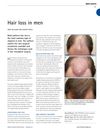 May 2013 in “Trends in Urology & Men's Health”
 Male-pattern hair loss is normal, often involves hormone effects on hair follicles, and can be treated with medication or surgery, but new treatments are being researched.
 March 2013 in “Revista Brasileira de Cirurgia Plástica”
 Using platelet growth factors can improve hair density in transplants, especially for those with fine hair.
 January 2012 in “Elsevier eBooks”
 Hair loss can cause emotional and social issues, and various treatments, including medication, surgery, and psychological support, are needed.
 January 2012 in “Human health handbooks”
 Low-level light therapy is FDA-approved for male pattern hair loss, increases hair count and strength, and is considered safe for use.
 January 2010 in “Elsevier eBooks”
 Hair transplantation is a treatment for hair loss mainly caused by genetics, with various techniques and potential complications, and results visible after 8-12 months.
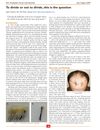 July 2009 in “International Society of Hair Restoration Surgery”
 Dividing hair grafts may make hair look fuller, but more research is needed.
 January 2009 in “Indian Journal of Plastic Surgery”
 Surgical methods for hair loss due to scarring should be chosen based on the size, location, and shape of the area, with most patients seeing good results.
 October 2007 in “Journal of Investigative Dermatology”
 The document suggests a bacteria plays a significant role in acne rosacea and that white hair can regain color after transplant, meriting more research on reversing grey hair.
 January 2007 in “Universiti Putra Malaysia Institutional Repository (Universiti Putra Malaysia)”
 Keratin-gelatin film improves wound healing in dogs and cats.

Hair restoration surgery has improved to transplant hair in natural groupings, but it's labor-intensive and can't fully restore normal hair density.

Surgical repigmentation can permanently restore color to white hair in vitiligo patients.
 September 2005 in “Clinics in Plastic Surgery”
 The document provides a comprehensive index of medical and surgical topics, including hair removal, hair restoration, and various treatments for injuries and conditions.
 June 2005 in “British Journal of Oral & Maxillofacial Surgery”
 Advancements in aesthetic surgery from 2002-2003 include improved skin resurfacing, effective migraine surgery, satisfying hair transplants, alternative treatments for skin nevi, successful endoscopic midface enhancement, and safe techniques for facial rejuvenation.
 May 2004 in “Annals of Plastic Surgery”
 Muscle-only free flaps for skull coverage have more long-term complications than composite flaps.
 October 2002 in “Dermatologic Surgery”
 The document concludes that careful planning, efficient use of every hair graft, and setting surgical priorities are crucial for successful hair restoration surgery.
 September 2002 in “Dermatologic Surgery”
 The best results in surgical hair restoration come from careful techniques, optimal use of limited hair supply, correct hair direction, saving hair for key areas, understanding scarring effects, and adjusting hair graft density.
 June 2002 in “Seminars in Cutaneous Medicine and Surgery”
 Hair transplantation has improved to more natural-looking results and is complemented by effective non-surgical treatments, with ongoing research into hair follicle cloning.
 August 2001 in “Dermatologic Surgery”
 The KNU implanter for hair transplants showed a high survival rate of 90%+ for transplanted hairs after 6 months, with benefits like natural hair direction and fewer scars.
 June 1997 in “The American Journal of Cosmetic Surgery”
 Gradual improvements in hair restoration techniques are safer and more effective than drastic changes.
 December 2025 in “International Journal of Innovative Technologies in Social Science”
 Effective treatments for hair loss include minoxidil, 5α-reductase inhibitors, and personalized combination therapies.