 2 citations
,
March 2025 in “Archives of Dermatological Research”
2 citations
,
March 2025 in “Archives of Dermatological Research” HEV light can harm or help skin and scalp, so safe exposure guidelines are needed.
 April 2024 in “Lasers in medical science”
 Near-infrared LED light improves skin rejuvenation and hair growth better than white LED light.
 195 citations
,
January 2008 in “Photochemistry and Photobiology”
195 citations
,
January 2008 in “Photochemistry and Photobiology” Visible light can damage skin and most sunscreens don't block it well; more research is needed on its effects and protection methods.
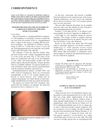 14 citations
,
January 2005 in “Pediatric Dermatology”
14 citations
,
January 2005 in “Pediatric Dermatology” UVA1-light therapy successfully treated a child's skin condition, mycosis fungoides.
 July 2023 in “Journal of lasers in medical sciences”
 Red laser therapy helped regrow hair in an alopecia areata patient within 21 days.
 January 2015 in “Przegla̧d dermatologiczny”
 308 nm excimer light therapy may help hair regrowth in alopecia areata with delayed results and no serious side effects.
 61 citations
,
June 2018 in “Proceedings of the National Academy of Sciences of the United States of America”
61 citations
,
June 2018 in “Proceedings of the National Academy of Sciences of the United States of America” Light can turn on hair growth cells through a nerve path starting in the eyes.
 6 citations
,
July 2021 in “Microbial biotechnology”
6 citations
,
July 2021 in “Microbial biotechnology” The combined treatment with engineered bacteria and yellow LED light improved wound healing in mice.
 April 2024 in “Frontiers in cellular and infection microbiology”
 Blue light might help treat skin conditions by affecting the skin's bacteria.
 60 citations
,
November 2020 in “International Journal of Medical Sciences”
60 citations
,
November 2020 in “International Journal of Medical Sciences” NIR light therapy may effectively treat eye diseases and improve brain function without side effects.
 June 2011 in “CRC Press eBooks”
 Low-Level Laser Therapy can stimulate healing and cell function, potentially leading to wider medical use.
 106 citations
,
April 2013 in “Dermatologic Surgery”
106 citations
,
April 2013 in “Dermatologic Surgery” Low-level light therapy safely improves hair growth and thickness for androgenetic alopecia.
 28 citations
,
December 2017 in “Lasers in Medical Science”
28 citations
,
December 2017 in “Lasers in Medical Science” Monochromatic light devices, especially the 308-nm excimer laser, are promising for treating alopecia areata but more research is needed.
 3 citations
,
January 2016 in “Annals of Dermatology”
3 citations
,
January 2016 in “Annals of Dermatology” Vitamin D may help reduce inflammation in acne.
 September 2018 in “The Medical Journal of Cairo University/The Medical Journal of Cairo University”
 Polarized light therapy helps hair regrowth in alopecia areata patients.
 23 citations
,
April 1999 in “Dermatologic Clinics”
23 citations
,
April 1999 in “Dermatologic Clinics” Pulsed-intense light can significantly reduce hair, with effectiveness depending on treatment number and timing, and has mild side effects.
 8 citations
,
October 2020 in “Lasers in Medical Science”
8 citations
,
October 2020 in “Lasers in Medical Science” LLLT helps treat hair loss by increasing blood flow, reducing inflammation, and stimulating growth factors.
 8 citations
,
July 2020 in “Medicine”
8 citations
,
July 2020 in “Medicine” Helmet-like device safely increases hair density for people with hair loss.
 4 citations
,
February 2014 in “Proceedings of SPIE”
4 citations
,
February 2014 in “Proceedings of SPIE” Low-Level Light Therapy is effective for skin rejuvenation, wound healing, and hair growth, with mild side effects.
 31 citations
,
June 2018 in “Dermatologic Surgery”
31 citations
,
June 2018 in “Dermatologic Surgery” Low-level light therapy safely improves hair coverage, thickness, and count in androgenetic alopecia patients.
 16 citations
,
November 2016 in “Journal of Cosmetic and Laser Therapy”
16 citations
,
November 2016 in “Journal of Cosmetic and Laser Therapy” Laser and light therapies, especially the 308 nm excimer laser, are effective and safe for treating alopecia areata, but more research is needed.
 6 citations
,
November 2018 in “Photodiagnosis and Photodynamic Therapy”
6 citations
,
November 2018 in “Photodiagnosis and Photodynamic Therapy” A wearable cap-like device using light therapy reduced scalp skin lesions by 71% and was painless.
 5 citations
,
October 2020 in “Lasers in Medical Science”
5 citations
,
October 2020 in “Lasers in Medical Science” Combination therapy works best for female hair loss, increasing density and thickness.
 July 2002 in “Dermatologic Surgery”
 Some people's hair turned white or gray after using intense pulsed light for hair removal, and for some, it was permanent.
 45 citations
,
May 2019 in “Scientific Reports”
45 citations
,
May 2019 in “Scientific Reports” Low color temperature light (1900 K) benefits health by promoting melatonin, protecting eyes, and aiding healing.
 44 citations
,
October 2017 in “Scientific Reports”
44 citations
,
October 2017 in “Scientific Reports” Far-infrared radiation improves stem cell growth and movement, helping heart therapy.
 January 2024 in “GeroScience”
 Using radiation to make mice's hair turn gray helps study and find ways to prevent or reverse hair graying.
 December 2025 in “Aesthetic Plastic Surgery”
 The new near-infrared LED device improves skin and hair with no side effects.
 16 citations
,
April 2015 in “Lasers in Surgery and Medicine”
16 citations
,
April 2015 in “Lasers in Surgery and Medicine” Using a fractional laser can stimulate hair growth, but the intensity and duration of inflammation are crucial. Too much can cause ulcers and scarring. Lower beam energy and fewer treatments are recommended to avoid damage.
 13 citations
,
October 2020 in “Journal of Neural Transmission”
13 citations
,
October 2020 in “Journal of Neural Transmission” CD34-positive cells help repair and form new blood vessels in salivary glands after radiation.