3 citations
,
July 2025 in “Clinical and Experimental Dermatology” Ritlecitinib may be more effective for severe alopecia areata than conventional treatments.
 1 citations
,
November 2025 in “Clinical Chemistry and Laboratory Medicine (CCLM)”
1 citations
,
November 2025 in “Clinical Chemistry and Laboratory Medicine (CCLM)” A new method accurately measures DHEAS in blood, improving on current tests.
23 citations
,
October 2015 in “Plastic and reconstructive surgery/PSEF CD journals” Radiesse is a versatile facial injectable used for cosmetic improvements and long-term collagen production, with careful dosing needed to prevent complications.
July 2024 in “Journal of Investigative Dermatology” A KLK5 inhibitor effectively improved skin symptoms in a mouse model of Netherton Syndrome.
14 citations
,
April 2024 in “The Journal of Steroid Biochemistry and Molecular Biology” 5α-reductases increase epitestosterone's effect on androgen receptors.
 12 citations
,
January 1998 in “Endocrine journal”
12 citations
,
January 1998 in “Endocrine journal” Saw palmetto extract can block the enzyme that converts testosterone in pig prostate cells.
 December 2020 in “Biomedical Journal of Scientific and Technical Research”
 Serenoa repens, a natural compound, can increase hair count and help repair capillaries, making it a promising treatment for hair loss.
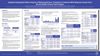 July 2025 in “SKIN The Journal of Cutaneous Medicine”
 Ritlecitinib is generally safe for alopecia areata patients over 72 months.
56 citations
,
March 2003 in “Journal of Investigative Dermatology” 17β-estradiol can reduce inflammation in the skin.
15 citations
,
January 2025 in “Journal of the European Academy of Dermatology and Venereology” Ritlecitinib is effective and safe for treating alopecia areata, promoting significant hair regrowth.
 1 citations
,
October 2020 in “Journal of Cosmetic Dermatology”
1 citations
,
October 2020 in “Journal of Cosmetic Dermatology” Possible link between hair loss and metabolic syndrome, with RANTES as a potential clue.
7 citations
,
July 2023 in “Immunotherapy” Ritlecitinib works well and is safe for treating alopecia areata.
3 citations
,
March 2025 in “Journal of Clinical Medicine” Ritlecitinib effectively treats alopecia areata with manageable side effects.
 April 2023 in “The journal of investigative dermatology/Journal of investigative dermatology”
 Ritlecitinib significantly improves scalp hair regrowth in alopecia areata patients over time.
 December 2023 in “Biointerface Research in Applied Chemistry”
 Stiripentol shows promise as a potential treatment for androgen-related diseases but needs more testing.
1 citations
,
November 2025 in “American Journal of Clinical Dermatology” Ritlecitinib is generally safe for long-term use in treating alopecia areata.
48 citations
,
July 2023 in “Pediatric Dermatology” Ritlecitinib effectively regrows hair in adolescents with alopecia areata and is safe.
June 2026 in “British Journal of Dermatology” Ritlecitinib is effective and safe for treating alopecia areata, especially in newer cases.
May 2026 in “Dermatology and Therapy” Ritlecitinib improves hair growth and quality of life in severe alopecia areata with longer use.
 July 2020 in “bioRxiv (Cold Spring Harbor Laboratory)”
 The structure of SRD5A reveals how it reduces steroids, aiding drug design for related health conditions.
 2 citations
,
July 2023 in “Phytotherapy Research”
2 citations
,
July 2023 in “Phytotherapy Research” Serenoa repens is mostly safe but has some risks, especially at high doses or when used with other products for over two weeks.
July 2024 in “Journal of Investigative Dermatology” ATR12-351 ointment safely delivers LEKTI protein to the skin, reducing enzyme activity in Netherton syndrome.
Ritlecitinib improves hair regrowth in alopecia areata without increasing adverse risks.
 May 2025 in “REVISTA DA ASSOCIAÇÂO DE FARMÁCIAS VIVAS”
 The serum is effective, safe, and stable for skincare.
 39 citations
,
January 2012 in “Acta dermato-venereologica”
39 citations
,
January 2012 in “Acta dermato-venereologica” Early detection and stopping the drug are key to managing DRESS, and careful monitoring is important due to possible severe reactions.
 March 2026 in “American Journal of Clinical Dermatology”
 Ritlecitinib is effective and safe for long-term use in treating severe alopecia areata in people aged 12 and older.
July 2025 in “Zenodo (CERN European Organization for Nuclear Research)” Ritlecitinib helps regrow hair in alopecia areata and is safe for long-term use.
December 2025 in “Actas Dermo-Sifiliográficas” Ritlecitinib is effective and safe for treating severe alopecia areata in people aged 12 and older.
 September 2018 in “Journal of Experimental & Biomedical Sciences”
 DK peptides can reduce hair loss by inhibiting the 5α-reductase enzyme and have antioxidant effects.
Blocking 5α-reductase can reduce sleep deprivation-related behavioral issues in rats.