 5 citations
,
January 2016 in “Journal of Molecular Histology”
5 citations
,
January 2016 in “Journal of Molecular Histology” Both main and alternative Wnt signaling are important for regrowing rodent whisker follicles.
 July 2026 in “Pharmaceuticals”
 Aging and chronic diseases impair muscle repair, but integrated therapies like exercise and gene editing may help.
 62 citations
,
February 2016 in “ACS Applied Materials & Interfaces”
62 citations
,
February 2016 in “ACS Applied Materials & Interfaces” Technique creates 3D cell spheroids for hair-follicle regeneration.
 33 citations
,
September 2017 in “Molecules”
33 citations
,
September 2017 in “Molecules” Red ginseng oil and its components help promote hair regrowth and could treat hair loss.
 16 citations
,
January 2023 in “Molecular Biomedicine”
16 citations
,
January 2023 in “Molecular Biomedicine” 3D-printed microneedles can precisely regrow hair in targeted areas.
 2 citations
,
May 2018 in “Journal of Investigative Dermatology”
2 citations
,
May 2018 in “Journal of Investigative Dermatology” Mice can regrow hair on wounds due to specific cell interactions and mechanical forces not seen in rats.
 1 citations
,
April 2018 in “Journal of Investigative Dermatology”
1 citations
,
April 2018 in “Journal of Investigative Dermatology” PRC1 is essential for proper skin development and stem cell formation by controlling gene activity.
 24 citations
,
September 2018 in “Journal of Materials Science: Materials in Medicine”
24 citations
,
September 2018 in “Journal of Materials Science: Materials in Medicine” Hyaluronic acid-based HA2 hydrogel helps heal skin wounds better with less scarring.
 5 citations
,
January 2021 in “iScience”
5 citations
,
January 2021 in “iScience” Using a combination of specific cell cycle regulators is better for safely keeping hair root cells alive indefinitely compared to cancer-related methods.
 128 citations
,
August 2015 in “Cell Stem Cell”
128 citations
,
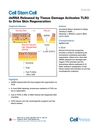
August 2015 in “Cell Stem Cell” Damage to skin releases dsRNA, which activates TLR3 and helps in skin and hair follicle regeneration.
 52 citations
,
April 2013 in “Developmental Cell”
52 citations
,
April 2013 in “Developmental Cell” Brg1 is crucial for hair growth and skin repair by maintaining stem cells and promoting regeneration.
 13 citations
,
January 2020 in “Scientific Reports”
13 citations
,
January 2020 in “Scientific Reports” The African spiny mouse heals skin without scarring due to different protein activity compared to the common house mouse, which heals with scarring.
 11 citations
,
March 2020 in “Cellular Signalling”
11 citations
,
March 2020 in “Cellular Signalling” XIST RNA helps regenerate hair follicles by targeting miR-424 and activating hedgehog signaling.
 3 citations
,
January 2023 in “Journal of Hard Tissue Biology”
3 citations
,
January 2023 in “Journal of Hard Tissue Biology” Wnt10a may help regenerate dental pulp and form dentine.
 June 2026 in “Journal of Biological Engineering”
 Stem cell therapies are advancing quickly with new technologies and need supportive regulations for clinical use.
 August 2015 in “MOJ proteomics & bioinformatics”
 ePUKs could be valuable for regenerative medicine due to their wound healing abilities.
 11 citations
,
January 2015 in “Skin pharmacology and physiology”
11 citations
,
January 2015 in “Skin pharmacology and physiology” Eating collagen peptides may help with skin and hair growth.
 January 2025 in “Open Life Sciences”
 Overexpression of the HE4 gene in mice causes eye inflammation and cloudiness.
 April 2016 in “Journal of Investigative Dermatology”
 Double-stranded RNA activates a pathway that causes a skin protein to be expressed in the wrong place.
 316 citations
,
June 2017 in “Stem Cell Research & Therapy”
316 citations
,
June 2017 in “Stem Cell Research & Therapy” Fat tissue-derived cells show promise for repairing body tissues, but more research and regulation are needed for safe use.
 3 citations
,
May 2021 in “Archiv der Pharmazie”
3 citations
,
May 2021 in “Archiv der Pharmazie” SUN11602 and ONO-1301 could help in skin healing and creating artificial skin.
 December 2025 in “Nature Communications”
 Blocking IL-17a can improve age-related smell loss in mice.
 15 citations
,
January 2012 in “Journal of Veterinary Science”
15 citations
,
January 2012 in “Journal of Veterinary Science” Different dog breeds have varying skin thickness and protein expression in their skin.
 5 citations
,
July 1999 in “JEADV. Journal of the European Academy of Dermatology and Venereology/Journal of the European Academy of Dermatology and Venereology”
5 citations
,
July 1999 in “JEADV. Journal of the European Academy of Dermatology and Venereology/Journal of the European Academy of Dermatology and Venereology” Proteolytic enzymes damage hair follicles by detaching stem cells.
 9 citations
,
March 2013 in “ISRN Stem Cells (Online)”
9 citations
,
March 2013 in “ISRN Stem Cells (Online)” Skin stem cells were turned into heart cells using a chemical, suggesting a new way to treat heart attacks.
 August 2025 in “Research Square (Research Square)”
 High TNF-α levels may increase hair loss risk after PRP therapy.
 7 citations
,
June 2022 in “Czech Journal of Animal Science”
7 citations
,
June 2022 in “Czech Journal of Animal Science” Certain circular RNAs help cashmere goats grow more hair.
17 citations
,
September 2020 in “Inflammation and Regeneration” WNT activation in scalp fibroblasts boosts hair growth by increasing FGF9.
129 citations
,
October 2017 in “BMC Genomics” The study improved understanding of gene roles in cashmere goat hair growth, aiding future cashmere production.
 May 2025 in “The FASEB Journal”
 Targeting the TNFRSF1B gene may help treat hair loss.