1 citations
,
January 2025 in “CPT Pharmacometrics & Systems Pharmacology” Ritlecitinib effectively regrows eyebrow and eyelash hair in alopecia areata, with 50 mg being the best dose.
 1 citations
,
September 2023 in “The Journal of urology/The journal of urology”
1 citations
,
September 2023 in “The Journal of urology/The journal of urology” Improving symptoms of male urinary problems may lower the risk of death.
 1 citations
,
September 2016 in “Journal of Dermatology”
1 citations
,
September 2016 in “Journal of Dermatology” Baldness is common in Korean men (60.5%), and those with a family history are 3.1 times more likely to have hairline recession.
 May 2026 in “Dove Medical Press (Taylor and Francis Group)”
 Buffy coat PRP is more effective for hair growth in androgenetic alopecia than apheresis PRP.
 March 2026 in “International Journal of Science Strategic Management and Technology”
 WomenCare helps predict PCOD risk in women to encourage early medical consultation.
December 2025 in “Journal of Cosmetic Dermatology” Finasteride does not increase the risk of depression or suicide.
 October 2025 in “Dermatology Practical & Conceptual”
 Dermatoscopy helps track scar changes and guide treatment.
August 2025 in “Cosmetics” Cosmeceuticals like sunscreens may trigger frontal fibrosing alopecia, but more research is needed.
April 2025 in “Science Journal of University of Zakho” Inflammatory diets may increase the risk and severity of alopecia areata.

Sleep may mediate the link between sugary drinks and female hair loss.

Maintaining enough zinc may help prevent and manage hair loss.

Older male COVID-19 patients are more likely to experience hair loss.
 January 2021 in “Lecture notes in networks and systems”
 Deep learning can accurately detect Alopecia Areata with up to 98.3% accuracy.
April 2017 in “Journal of Investigative Dermatology” Dermal lymphatic vessels help hair growth by affecting hair cycle phases.
 April 2017 in “Journal of Investigative Dermatology”
 PRC1 influences skin stem cell development by both turning genes on and off, affecting hair growth and skin cell types.
 August 2016 in “Journal of Investigative Dermatology”
 Human hair follicles have a scent receptor that can influence hair growth.
 April 2016 in “Journal of Investigative Dermatology”
 Autophagy, a cell recycling process, is crucial for prolonged hair growth and could be a potential target for treating hair growth disorders.
 April 2016 in “Journal of Investigative Dermatology”
 Blocking Prostaglandin D₂ (PGD₂) could help treat hair loss.
MicroRNA miR-22 causes hair loss by making hair follicles regress early.
 July 2016 in “Journal of Cutaneous Medicine and Surgery”
 Receding hairlines in men are uneven, with the right side larger than the left.
62 citations
,
January 2009 in “Biochemistry” Vitamin D receptor binds similarly to natural and synthetic ligands, affecting gene regulation.
5 citations
,
September 2011 in “Biochimica et Biophysica Acta (BBA) - Molecular Basis of Disease” Hairless protein helps control hair growth by regulating vitamin D receptor activity.
159 citations
,
August 2010 in “British journal of dermatology/British journal of dermatology, Supplement” Hydroxychloroquine effectively reduces symptoms of frontal fibrosing alopecia, especially in the first 6 months.
 155 citations
,
September 2008 in “British journal of dermatology/British journal of dermatology, Supplement”
155 citations
,
September 2008 in “British journal of dermatology/British journal of dermatology, Supplement” FFA is more common in postmenopausal women, can affect younger women, and may stabilize over time.
74 citations
,
April 2017 in “JEADV. Journal of the European Academy of Dermatology and Venereology/Journal of the European Academy of Dermatology and Venereology” Researchers found three patterns of Frontal fibrosing alopecia, with Pattern III having the best prognosis after treatment.
 58 citations
,
April 2009 in “Dermatologic Surgery”
58 citations
,
April 2009 in “Dermatologic Surgery” Most women have a widow's peak and specific hairline features useful for designing hair restoration surgery.
 39 citations
,
October 1967 in “British Journal of Dermatology”
39 citations
,
October 1967 in “British Journal of Dermatology” Hair loss in women often doesn't follow a pattern, isn't linked to age, may be genetic, and can be related to thyroid issues or other health factors.
 31 citations
,
April 2010 in “British journal of dermatology/British journal of dermatology, Supplement”
31 citations
,
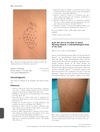
April 2010 in “British journal of dermatology/British journal of dermatology, Supplement” Frontal fibrosing alopecia can cause sudden hair loss on limbs, similar to scalp hair loss.
 23 citations
,
April 2021 in “Journal of Clinical Medicine”
23 citations
,
April 2021 in “Journal of Clinical Medicine” Frontal Fibrosing Alopecia's cause is unclear, affects mainly postmenopausal women, and current treatments focus on stopping hair loss rather than regrowth.
 18 citations
,
February 2014 in “PubMed”
18 citations
,
February 2014 in “PubMed” Androgenetic alopecia is a common hair loss condition caused by testosterone effects on hair follicles, leading to thinner, shorter, and less pigmented hair, diagnosed using scalp dermoscopy and treated with topical minoxidil, antiandrogen agents, and 5-alpha reductase inhibitors.