3 citations
,
March 2024 in “Journal of Dermatological Treatment” Baricitinib can lead to hair regrowth in alopecia areata but may also cause relapses.
 22 citations
,
March 2000 in “Clinical endocrinology”
22 citations
,
March 2000 in “Clinical endocrinology” Most patients experienced hirsutism again after stopping hormone treatment, indicating long-term treatment is needed to maintain results.
 November 2025 in “Frontiers in Medicine”
 Baseline severity and relapse history affect alopecia areata treatment and recurrence.
June 2020 in “Journal of skin and stem cell” The patient's hair loss from alopecia totalis returned despite initial successful treatment.
 2 citations
,
October 2022 in “British journal of haematology”
2 citations
,
October 2022 in “British journal of haematology” A girl with Evans' syndrome had her low platelet count successfully treated with zanubrutinib.
 6 citations
,
November 1996 in “Archives of Dermatology”
6 citations
,
November 1996 in “Archives of Dermatology” A man's relapsed leprosy was successfully treated with the antibiotic sparfloxacin.
22 citations
,
November 2002 in “Clinical journal of oncology nursing” Arsenic trioxide effectively treats relapsed acute promyelocytic leukemia with manageable side effects.
 5 citations
,
July 2018 in “Pediatrics”
5 citations
,
July 2018 in “Pediatrics” A 3-year-old girl developed scurvy symptoms that improved with vitamin C but relapsed when supplementation stopped.
 November 2025 in “Indian Journal of Nephrology”
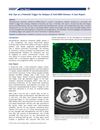
 Hair dye may trigger anti-GBM disease relapse, and rituximab can help manage it.
 May 2025 in “Frontiers in Immunology”
 Autoimmune diseases with high tissue recovery often relapse and remit, while those with low recovery rarely remit.
Donor lymphocyte infusions effectively treated leukemia relapse but caused vitiligo and alopecia areata.
 12 citations
,
December 2002 in “Archives of Dermatology”
12 citations
,
December 2002 in “Archives of Dermatology” Sweet syndrome can be the only sign of hairy cell leukemia relapse.
9 citations
,
April 2023 in “Experimental Dermatology” Allergen desensitization reduces hair loss severity in dust-mite allergic alopecia areata patients.
 2 citations
,
February 2023 in “Research Square (Research Square)”
2 citations
,
February 2023 in “Research Square (Research Square)” The scaffold effectively prevents melanoma relapse and aids wound healing.
 July 2025 in “Journal of Cosmetic Dermatology”
 Alternative treatments are needed when Tofacitinib alone fails for alopecia areata.
105 citations
,
October 2018 in “Nature” A small group of slow-growing cells causes basal cell carcinoma to return after treatment.
May 2024 in “Journal of the Egyptian Womenʼs Dermatologic Society” Diphenylcyclopropenone is effective and safe for treating severe alopecia areata in children, with maintenance therapy reducing relapse risk.
97 citations
,
January 2006 in “Dermatology” imTA and pulse therapy are effective for alopecia areata with manageable side effects, but relapse rates need improvement.
COVID-19 can trigger a relapsing form of hair loss, requiring long-term treatment strategies.
 January 2007 in “Yearbook of Dermatology and Dermatologic Surgery”
 Intramuscular triamcinolone and pulse therapy with oral predonine are effective for alopecia areata with manageable side effects, but better relapse prevention is needed.
 2 citations
,
January 1990 in “Leukemia & Lymphoma”
2 citations
,
January 1990 in “Leukemia & Lymphoma” The combination of mitoxantrone, etoposide, and prednisolone is effective for treating relapsed lymphoma with manageable side effects.
November 2025 in “Figshare” Baseline severity, disease activity, and relapse history are key to predicting response and recurrence in alopecia areata.
13 citations
,
August 2000 in “Blood” Measuring minimal residual disease on day 15 helps identify high-risk leukemia patients.
 36 citations
,
January 2015 in “Dermatology”
36 citations
,
January 2015 in “Dermatology” Bimatoprost was found to be safer and more effective than mometasone furoate for treating scalp hair loss.
 29 citations
,
March 2019 in “JEADV. Journal of the European Academy of Dermatology and Venereology/Journal of the European Academy of Dermatology and Venereology”
29 citations
,
March 2019 in “JEADV. Journal of the European Academy of Dermatology and Venereology/Journal of the European Academy of Dermatology and Venereology” Older age at onset of alopecia areata leads to less severe and shorter episodes, with most patients experiencing significant hair regrowth.
 8 citations
,
April 2019 in “Australasian Journal of Dermatology”
8 citations
,
April 2019 in “Australasian Journal of Dermatology” The article suggests a treatment plan for a stubborn scalp condition common in elderly Australians to help improve their lives.
 7 citations
,
January 2017 in “Dermatology”
7 citations
,
January 2017 in “Dermatology” People who get alopecia areata after age 50 usually have mild symptoms, high chances of hair regrowth, and often have other health conditions.
 1 citations
,
October 2023 in “Dermatology and therapy”
1 citations
,
October 2023 in “Dermatology and therapy” Some treatments for severe hair loss work but often have side effects, with baricitinib showing the most promise.
 1 citations
,
September 2023 in “Journal of drugs in dermatology”
1 citations
,
September 2023 in “Journal of drugs in dermatology” Alopecia areata causes unpredictable hair loss and emotional distress, with no cure and limited treatment options.
 May 2023 in “Clinical and Experimental Dermatology”
 Alopecia areata has a high chance of persisting and relapsing, with a significant risk of total hair loss, especially if it starts in childhood.