13 citations
,
August 2000 in “Blood” Measuring minimal residual disease on day 15 helps identify high-risk leukemia patients.
August 2025 in “Romanian Journal of Rheumatology” Early diagnosis and treatment of SLE are crucial to prevent severe complications.
70 citations
,
February 2018 in “Seminars in Arthritis and Rheumatism” Belimumab reduces disease activity, steroid use, and flares in lupus patients.
September 2025 in “Annals of African Medicine” 1 citations
,
November 2018 in “immuneACCESS” Expanded CD8+ T cells are linked to Alopecia Areata and may cause relapse after treatment.
 March 2026 in “Clinical Cosmetic and Investigational Dermatology”
 Rituximab can cause skin issues, but baricitinib may help improve them.
 April 2024 in “DAHUDER Medical journal”
 Ocrelizumab may cause pancreatitis in some patients.
 1 citations
,
February 2009 in “Clinical and Experimental Dermatology”
1 citations
,
February 2009 in “Clinical and Experimental Dermatology” Hormone-replacement therapy improved a woman's skin condition known as lymphomatoid papulosis.
 12 citations
,
May 2020 in “Dermatology and therapy”
12 citations
,
May 2020 in “Dermatology and therapy” A young woman had a rare skin reaction to a medication for her joint disease, and a combination therapy improved her condition.
 April 2026 in “Zenodo (CERN European Organization for Nuclear Research)”
 Post-exposure syndromes are persistent conditions caused by past exposures, needing unique interventions.
December 2025 in “JGH Open” Early diagnosis and treatment with corticosteroids can improve outcomes in Cronkhite–Canada syndrome.

Tofacitinib significantly improved hair loss and lesions in a patient with overlapping autoimmune disorders.
 January 2023 in “Fiziksel tıp ve rehabilitasyon bilimleri dergisi”
 SLE should be considered when investigating the cause of a stroke to prevent more strokes.
16 citations
,
April 2016 in “Medicine” Early treatment and regular check-ups are crucial for lupus patients to prevent progression and improve outcomes.
 April 2026 in “Zenodo (CERN European Organization for Nuclear Research)”
 Post-Exposure Syndromes are persistent conditions caused by past exposures, needing unique interventions.
April 2016 in “Journal of the American Academy of Dermatology” Treatment improved some symptoms but not all.
June 2025 in “British Journal of Dermatology” Syphilis can mimic other diseases, making diagnosis challenging, but proper testing and treatment are effective.
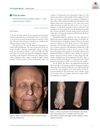 March 2019 in “Journal der Deutschen Dermatologischen Gesellschaft”
 Rothmund-Thomson syndrome type 2 can cause chronic, poorly healing wounds.
 April 2019 in “Journal of Investigative Dermatology”
 Non-coding RNA boosts retinoic acid production and signaling, aiding regeneration.

Careful diagnosis and management of MCTD are crucial due to potential severe complications.
6 citations
,
January 2022 in “Lara D. Veeken” Rheumatologists are crucial in managing interstitial lung disease by working closely with respiratory specialists.
 April 2026 in “Frontiers in Medicine”
 Upadacitinib effectively treats psoriasis and lichen planus together.
35 citations
,
October 2021 in “Journal of the European Academy of Dermatology and Venereology” COVID-19 vaccination may trigger recurrence of cutaneous T-cell lymphoma in some patients.
7 citations
,
June 2018 in “Archives of Rheumatology” A woman with lupus developed rare skin growths that went away on their own.
 1 citations
,
May 2022 in “Frontiers in Psychiatry”
1 citations
,
May 2022 in “Frontiers in Psychiatry” Hair loss was the first sign of a brain-related complication in a woman with lupus, and early treatment helped her hair grow back.
 18 citations
,
February 2006 in “Brain & development”
18 citations
,
February 2006 in “Brain & development” A patient with Satoyoshi syndrome improved with a treatment combining several medications, including carbamazepine and methotrexate.
1 citations
,
October 2024 in “The American Journal of Gastroenterology” Switching from infliximab to Ustekinumab improved both hair loss and Crohn's symptoms in the patient.
 June 2024 in “British Journal of Dermatology”
 Scalp disease in dermatomyositis causes significant symptoms and has unique features.
1 citations
,
December 2025 in “Journal of the American Academy of Dermatology” 
Tofacitinib significantly improved symptoms in a patient with overlapping autoimmune disorders.