November 2025 in “Natural Product Communications” Rosemary essential oil can improve mood, sleep, and cognitive function but may cause allergies, so use it carefully.
 November 2025 in “Fertility Gynecology and Andrology”
 PCOS involves hormonal and metabolic issues, increasing risks for diabetes and heart disease, and requires lifestyle changes and medication for management.
October 2025 in “JMIR Dermatology” Exclamation-mark hairs and yellow dots indicate alopecia areata, while follicular ostia loss and white scarring indicate lichen planopilaris and discoid lupus erythematosus.
 October 2025 in “Animal Bioscience”
 Key genes linked to important traits in Chinese sheep and goats have been identified, but challenges remain in breeding improvements.
 October 2025 in “International Journal For Multidisciplinary Research”
 Ayurvedic treatment improved Vitamin B12 levels and symptoms.
 October 2025 in “International Journal of Social health”
 Finasteride lowers PSA levels and prostate size, requiring adjusted PSA interpretation for accurate cancer screening.
September 2025 in “International Journal of Emergency Medicine” More skin issues appeared in the emergency department during COVID-19, highlighting the need for better dermatology training and resources.
September 2025 in “Journal of Skin and Stem Cell” Baricitinib shows promise for treating various skin conditions beyond alopecia areata.
 September 2025 in “International Journal of Ayurveda and Pharma Research”
 Anutaila Nasya is more effective in reducing hair fall than Keshamitra Yoga alone.
 September 2025 in “OBM Genetics”
 Early diagnosis and comprehensive management improve life quality for Netherton syndrome patients.
 August 2025 in “Journal of Investigative Dermatology”
 Elevated luteinizing hormone contributes to female-pattern hair loss, and blocking certain channels may help prevent it.
August 2025 in “EMC - AKOS - Trattato di Medicina” Non-scarring alopecia can regrow hair, but scarring alopecia is often permanent and needs quick treatment.
August 2025 in “International Journal of Ayurveda360” Using both Bhringaraja Taila and Yastimadhuka Taila together reduces hair fall and improves hair density in women.
 August 2025 in “Cermin Dunia Kedokteran”
 HMPV causes respiratory infections, mainly managed with supportive care, and lacks a vaccine or specific treatment.
 August 2025 in “Nutrients”
 Eating more antioxidant-rich foods and less alcohol may help reduce hair loss.
August 2025 in “Journal of Association of Clinical Endocrinologist and Diabetologist of Bangladesh” SPIOMET therapy may be a promising alternative to oral contraceptives for treating adolescent PCOS.
 July 2025 in “Journal of Cosmetic Dermatology”
 Future research on female pattern hair loss should focus on treatment effectiveness, safety, and understanding causes.
June 2025 in “British Journal of Dermatology” A rare dual diagnosis of alopecia areata and lichen planopilaris requires thorough evaluation for effective treatment.
June 2025 in “British Journal of Dermatology” Hair transplantation has evolved significantly, becoming more effective and popular despite challenges.
June 2025 in “International Journal of Ayurveda and Pharma Research” Ayurvedic treatments can effectively regrow hair and prevent recurrence in alopecia areata.
Early diagnosis and treatment of Lichen Planopilaris are crucial to prevent permanent hair loss.
 June 2025 in “Journal of medical and dental science research.”
 i-PRF and A-PRF show promise in promoting hair regrowth and improving scalp health in androgenetic alopecia.
 May 2025 in “The Journal of Rheumatology”
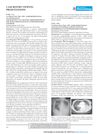
 Lupus patients in Ghana face healthcare challenges, and the Oyemam Autoimmune Foundation is working to improve awareness and support.
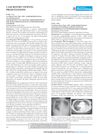 May 2025 in “The Journal of Rheumatology”
 SLE can cause unusual gastrointestinal symptoms, and immunosuppressive therapy can be effective.
May 2025 in “International Ayurvedic Medical Journal” Ayurvedic Shamana therapy effectively treats alopecia areata with minimal side effects.
May 2025 in “International Ayurvedic Medical Journal” Ayurvedic treatment effectively improved alopecia areata symptoms quickly and affordably.
 May 2025 in “Journal of medical and dental science research.”
 i-PRF and A-PRF are promising treatments for hair regrowth in androgenetic alopecia.
Early genetic testing and new therapies like secukinumab are crucial for managing Netherton syndrome effectively.
 April 2025 in “International Journal of Ayurveda and Pharma Research”
 Ayurvedic treatment can reverse premature graying and improve hair health.
April 2025 in “Acta Dermato Venereologica” Janus Kinase inhibitors are effective and safe for treating alopecia areata, but more research is needed.