12 citations
,
January 2022 in “The Egyptian Journal of Internal Medicine” Continued vaccine and drug development is crucial due to new virus variants and regional infection spikes.
 5 citations
,
July 2021 in “medRxiv (Cold Spring Harbor Laboratory)”
5 citations
,
July 2021 in “medRxiv (Cold Spring Harbor Laboratory)” Proxalutamide significantly lowered hospitalization rates in women with mild-to-moderate COVID-19.
February 2025 in “Iranian journal of pharmaceutical research”  11 citations
,
January 2000 in “The Journal of Steroid Biochemistry and Molecular Biology”
11 citations
,
January 2000 in “The Journal of Steroid Biochemistry and Molecular Biology” LY320236 is a strong blocker of two enzymes that change testosterone into dihydrotestosterone and might help treat conditions related to male hormones.
6 citations
,
June 1986 in “The Journal of Dermatology” Reticular erythematous mucinosis syndrome can occur with minimal mucin deposition.
 December 2024 in “Egyptian Poultry Science”
 Ivermectin 0.1% is the best and safest topical treatment for rabbit mange.
 15 citations
,
April 2011 in “Pediatric Nephrology”
15 citations
,
April 2011 in “Pediatric Nephrology” New treatments for lupus show promise, but more research is needed, especially for children.

Using a combination of AMD3100 and FK506 can speed up and improve wound healing in diabetic rats.
 28 citations
,
September 2013 in “Expert Opinion on Therapeutic Patents”
28 citations
,
September 2013 in “Expert Opinion on Therapeutic Patents” New resveratrol-related compounds show promise for treating various health issues but need more research for clinical use.
 June 2024 in “ESMO Gastrointestinal Oncology”
 The combination treatment showed a higher response rate but no significant survival benefits.
 1 citations
,
May 2025 in “The Journal of Rheumatology”
1 citations
,
May 2025 in “The Journal of Rheumatology” Anifrolumab effectively improved lupus headaches in a patient unresponsive to other treatments.
54 citations
,
May 2019 in “Multiple Sclerosis and Related Disorders” Azathioprine can help with relapses and disability in NMOSD but has more side effects and needs more research.
 September 2024 in “Cermin Dunia Kedokteran”
 Improving medical training is key to eradicating frambusia by 2030.
21 citations
,
August 2002 in “British Journal of Ophthalmology” Intralesional cidofovir may be a viable alternative treatment for SCC.
 January 1992 in “Side effects of drugs annual”
 Some people have severe allergic reactions to anthelminthic drugs, but these are often due to the parasites, not the drugs.
 November 2023 in “Frontiers in pharmacology”
 Drug repositioning offers hope for new, affordable treatments for a genetic skin disorder called ARCI.
 25 citations
,
April 2014 in “Journal of Scientific and Innovative Research”
25 citations
,
April 2014 in “Journal of Scientific and Innovative Research” Tridax procumbens may help treat diabetes.
Ivarmacitinib effectively regrows hair in severe alopecia areata.
4 citations
,
August 2011 in “The Lancet Oncology” Off-label drug use can be risky and requires careful consideration to ensure patient safety.
64 citations
,
March 2008 in “Neuropsychopharmacology” 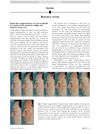 157 citations
,
December 2015 in “Journal of the American Academy of Dermatology”
157 citations
,
December 2015 in “Journal of the American Academy of Dermatology” A man with vitiligo and alopecia saw quick skin and hair improvement with ruxolitinib, but skin color gains were lost after stopping treatment.
More research is needed to confirm the long-term effects of oral drugs for chronic central serous chorioretinopathy.
December 2023 in “Reactions weekly” December 2023 in “Reactions weekly” September 2013 in “Reactions weekly”  April 2021 in “Anatolian current medical journal :”
 A patient developed hair loss after hepatitis C treatment with sofosbuvir and ribavirin.
December 2021 in “Figshare” New therapies like JAK inhibitors and stem cells show promise for treating vitiligo.
1 citations
,
May 2021 in “Journal of the Endocrine Society” A woman developed Cushing syndrome and adrenal insufficiency from using fluticasone and ritonavir together.
 March 2026 in “Preprints.org”
 Plerixafor may help treat pigmentation disorders by promoting skin repigmentation.
 69 citations
,
December 2005 in “Nature Clinical Practice Endocrinology & Metabolism”
69 citations
,
December 2005 in “Nature Clinical Practice Endocrinology & Metabolism” Blocking the enzyme 11β-HSD1 might help treat obesity and metabolic issues.