116 citations
,
April 2022 in “Science Translational Medicine” The EG7 foam dressing improved wound healing and reduced inflammation better than other treatments.
 January 2026 in “Journal of Hard Tissue Biology”
 Red LED light boosts cell activity and growth, aiding wound healing and blood vessel repair.
 March 2026 in “Quality in Sport”
 Red light therapy can boost athletic performance and aid healing.
May 2026 in “Jurnal Pendidikan Kimia Fisika dan Biologi” Rebonding damages hair cuticles, causing erosion and cracks.
63 citations
,
January 1971 in “Acta Medica Scandinavica” Replenishing iron after phlebotomy can cause relapse in porphyria cutanea tarda.
2 citations
,
January 2017 in “Elsevier eBooks”  4 citations
,
August 2014 in “Journal of molecular structure”
4 citations
,
August 2014 in “Journal of molecular structure” Chemical treatments on bleached black hair change its internal structure by breaking and reforming bonds, and treatments with hydrolyzed eggwhite protein help repair it.
 8 citations
,
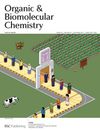
January 2011 in “Organic and Biomolecular Chemistry”
8 citations
,
January 2011 in “Organic and Biomolecular Chemistry” Minoxidil reacts to nitrosation 7 times more than phenol, mainly due to its -NH₂ groups, leading to the creation of N-nitrosominoxidil.
October 2024 in “Biomedical Reports” Superoxidized electrolyzed solution (SES) is more effective for burn healing than common antiseptics.
 February 2025 in “Biointerface Research in Applied Chemistry”
 Repurposing existing drugs can quickly and cheaply find new treatments for diseases.
255 citations
,
September 2016 in “Frontiers in plant science” Reactive oxygen species (ROS) help control plant growth and development.
October 2024 in “UNESP Institutional Repository (São Paulo State University)” Straightening and dyeing damage hair structure.
20 citations
,
January 2001 in “Journal of Cutaneous Laser Therapy” Occlusive dressings speed up skin healing after CO2 laser resurfacing.
217 citations
,
February 2009 in “The FASEB Journal” Gray hair is caused by hydrogen peroxide buildup, which damages hair color repair.
November 2025 in “Journal of Cosmetic Dermatology” Exosome therapy can safely and effectively restore color to gray hair.
May 2026 in “ACS Catalysis” Efficient enzyme function relies on specific residue interactions and structural coordination.
277 citations
,
February 2013 in “Science Signaling” Mitochondrial reactive oxygen species are essential for skin and hair development.
 9 citations
,
January 2018 in “Plastic and Reconstructive Surgery – Global Open”
9 citations
,
January 2018 in “Plastic and Reconstructive Surgery – Global Open” Using PDRN injections and RF treatments improved revision nose surgery results without major side effects.
9 citations
,
June 2023 in “Oxidative Medicine and Cellular Longevity” Physioxia improves keratinocyte protection against oxidative stress and better mimics real skin conditions.
January 2026 in “Molecules” A new perming method is less damaging to hair and works as well as traditional methods.
 2 citations
,
February 2004 in “Biopolymers”
2 citations
,
February 2004 in “Biopolymers” 4-(4-Phenoxybenzoyl)benzoic acid derivatives can both increase and decrease certain types of reactive oxygen species, and may be relevant to hair loss.
11 citations
,
November 2018 in “British Journal of Dermatology” Oxymetazoline cream 1.0% effectively reduces rosacea redness, and using baseline photos improves assessment accuracy.
 October 2024 in “Frontiers in Pharmacology”
 The correction does not change the conclusion that 2-deoxy-D-ribose helps hair regrowth.
4 citations
,
June 2022 in “Journal of cleaner production” New eco-friendly method strengthens and sets hair using light and causes less damage.
11 citations
,
August 2022 in “Journal of Investigative Dermatology” 44 citations
,
April 1979 in “Journal of Ultrastructure Research” 5 citations
,
April 2017 in “The journal of investigative dermatology/Journal of investigative dermatology” The gene therapy showed significant wound healing and was safe for treating severe RDEB.
Red light exposure slows aging in mice by improving fat metabolism.
Red light exposure slows aging in mice by improving fat metabolism.
 June 2025 in “Theranostics”
 Rapamycin-primed exosomes can significantly boost hair regrowth.