November 2022 in “Skin Appendage Disorders” PT-20 did not significantly improve gray hair repigmentation.
50 citations
,
February 2004 in “Genomics” A gene mutation causes lanceolate hair in rats by disrupting hair shaft integrity.
20 citations
,
April 2000 in “Experimental dermatology” ODC transgenic mice can model human hair loss with skin lesions.
 21 citations
,
November 2011 in “Veterinary Pathology”
21 citations
,
November 2011 in “Veterinary Pathology” Mouse skin color ranges from pink to black, depending on their hair growth cycle.
7 citations
,
January 1995 in “The Indian Journal of Animal Sciences” The Indian buffalo teat has a melanin-rich epidermis, no hair follicles, and a complex structure with muscle, blood vessels, and immune cells.
April 2015 in “Dentistry 3000” Premature hair graying in the face may be influenced by genetics and environment.
 3 citations
,
August 2019 in “International Journal of Dermatology”
3 citations
,
August 2019 in “International Journal of Dermatology” Dermoscopy is useful for diagnosing lichen planopilaris and certain features may relate to disease duration, age, and gender.
4 citations
,
December 1994 in “PubMed” A woman’s skin bumps healed almost completely with tretinoin cream after a leg infection.
8 citations
,
July 2004 in “Journal of morphology” Marsupial hair structure and keratin distribution are similar to placental mammals.
January 2007 in “Pizhūhish va sāzandigī” Hairless guinea pigs are useful for research in allergies, skin tests, and diseases.
 April 2019 in “Journal of Investigative Dermatology”
 Removing REDD1 in mice increases skin fat by making fat cells larger and more numerous.
November 2011 in “Journal of Investigative Dermatology” TRH in hair follicles can influence hair color by increasing melanin.
 March 2019 in “Our Dermatology Online”
 A woman with severe hair loss regrew mostly white hair after treatment.
10 citations
,
June 1999 in “Veterinary Dermatology” Two cows had a rare hair disorder causing hair loss but were otherwise healthy.
April 2026 in “Spectrochimica Acta Part A Molecular and Biomolecular Spectroscopy” 11 citations
,
January 2005 in “Brazilian Journal of Medical and Biological Research” Hairless USP mice have enlarged skin cysts as they age.

Retinol with polylysine cleared scalp skin growths in 21 days without side effects.
 8 citations
,
September 2016 in “The American Journal of Dermatopathology”
8 citations
,
September 2016 in “The American Journal of Dermatopathology” Enlarged sweat gland ducts may indicate scarring hair loss.
39 citations
,
August 1998 in “FEBS Letters” Two new enzymes, PAD-R11 and PAD-R4, were cloned and showed activity, with PAD-R11 resembling epidermal enzymes.
16 citations
,
September 2019 in “Journal of biological chemistry/The Journal of biological chemistry” Mice without certain skin enzymes have faster hair growth and bigger eye glands.
10 citations
,
January 2004 in “Journal of Investigative Dermatology” Krt6a-Cre transgenic mice help study gene effects on hair follicle development and tumor suppression.
11 citations
,
August 1986 in “Archives of Dermatology” Vitamin B12 deficiency can cause skin and hair color changes, which can be reversed with treatment.
 October 2023 in “Indian Dermatology Online Journal”
 Schimmelpenning Syndrome requires careful evaluation and tailored treatment for skin, eye, and developmental issues.
 August 2019 in “Journal of Investigative Dermatology”
 The study found that tight junctions reach the top layer of the skin's stratum granulosum, not just the second top layer as previously thought.
 1 citations
,
March 2024 in “Ophthalmic Plastic and Reconstructive Surgery”
1 citations
,
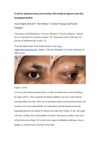
March 2024 in “Ophthalmic Plastic and Reconstructive Surgery” A pilomatrixoma in the eyebrow can cause hair loss and skin lightening.
3 citations
,
October 1994 in “Medical Molecular Morphology” The lower part of rat vibrissa hair gets more blood and is well-protected for growth.
9 citations
,
August 2021 in “International journal of molecular sciences” PPARγ is essential for maintaining healthy skin, controlling inflammation, and ensuring proper skin barrier function.
 February 2026 in “International Journal of Molecular Sciences”
 Removing Lrig1-positive cells in mice leads to temporary loss of sebaceous glands.
January 2024 in “Veterinary Dermatology” A rare skin condition was found in a Labrador retriever outside North America.
 11 citations
,
January 2011 in “Journal of Cutaneous and Aesthetic Surgery”
11 citations
,
January 2011 in “Journal of Cutaneous and Aesthetic Surgery” Follicular unit transplant successfully repigmented vitiligo patch on upper lip.