 8 citations
,
February 2010 in “Journal of Dermatology”
8 citations
,
February 2010 in “Journal of Dermatology” A topical treatment safely and effectively reduced acne by causing targeted cell death in sebaceous glands without side effects.
 2 citations
,
January 2014 in “Hair therapy & transplantation”
2 citations
,
January 2014 in “Hair therapy & transplantation” New treatments for hair growth disorders are needed due to limited current options and complex hair follicle biology.
 1 citations
,
June 2017 in “Journal of The American Academy of Dermatology”
1 citations
,
June 2017 in “Journal of The American Academy of Dermatology” PRP treatment for hair loss shows promise, with 58% of patients satisfied and most noticing improvement within 6 months.
 1 citations
,
January 2016 in “Open Forum Infectious Diseases”
1 citations
,
January 2016 in “Open Forum Infectious Diseases” Retinoic acid is not linked to hair loss from fluconazole use.
 October 2018 in “InTech eBooks”
 The most effective treatments for hair loss are minoxidil, finasteride, PRP, and hair transplants, with steroids and immunosuppressants for autoimmune types.

Newer retinoid drugs are effective for skin conditions but have significant side effects.
 36 citations
,
September 1999 in “Toxicologic pathology”
36 citations
,
September 1999 in “Toxicologic pathology” Stronger corticosteroids cause more skin damage in hairless dogs, similar to effects in humans.
 33 citations
,
January 2010 in “International journal of trichology”
33 citations
,
January 2010 in “International journal of trichology” Antimicrobial therapy can help manage Folliculitis Decalvans.
 1 citations
,
December 2011 in “Journal of The American Academy of Dermatology”
1 citations
,
December 2011 in “Journal of The American Academy of Dermatology” The book concludes that treating acne scars requires a variety of methods and patience, with no single best way to classify or treat them.
 July 2025 in “International Journal of Dermatology Venereology and Leprosy Sciences”
 Microneedling may improve melasma treatment by boosting topical therapy effectiveness.
 22 citations
,
October 2012 in “Journal of Investigative Dermatology”
22 citations
,
October 2012 in “Journal of Investigative Dermatology” Altered retinoid metabolism in cicatricial alopecia suggests a balanced vitamin A diet may prevent the condition.
 September 2025 in “Frontiers in Cell and Developmental Biology”
 Retinoic acid may help heal skin without scars by reducing fibrosis and supporting skin regeneration.
 236 citations
,
July 2001 in “Trends in Molecular Medicine”
236 citations
,
July 2001 in “Trends in Molecular Medicine” Future hair loss treatments should aim to extend hair growth, reactivate resting follicles, reverse shrinkage, and possibly create new follicles, with gene therapy showing promise.
 126 citations
,
October 1983 in “Journal of The American Academy of Dermatology”
126 citations
,
October 1983 in “Journal of The American Academy of Dermatology” Isotretinoin effectively treats severe acne and similar conditions, but has common, mostly reversible side effects, requiring careful patient monitoring.
 104 citations
,
August 2008 in “Clinics in Dermatology”
104 citations
,
August 2008 in “Clinics in Dermatology” Treating psoriasis on the scalp, nails, and skin folds is challenging, often requiring systemic treatments for severe cases, with some success in topical and biologic treatments.
 84 citations
,
April 2005 in “Dermatologic Clinics”
84 citations
,
April 2005 in “Dermatologic Clinics” Treatments for melanin disorders exist, but more effective options needed.
 78 citations
,
June 2021 in “Dermatology and Therapy”
78 citations
,
June 2021 in “Dermatology and Therapy” Future acne treatments should aggressively target inflammation to prevent scarring.
 72 citations
,
July 2014 in “American journal of clinical dermatology”
72 citations
,
July 2014 in “American journal of clinical dermatology” Some treatments, like corticosteroids and sensitizing agents, can help with alopecia areata, but more high-quality research is needed.
 47 citations
,
June 2019 in “Nature Communications”
47 citations
,
June 2019 in “Nature Communications” Noncoding dsRNA boosts hair growth by activating TLR3 and increasing retinoic acid.
 40 citations
,
March 1984 in “Acta dermato-venereologica”
40 citations
,
March 1984 in “Acta dermato-venereologica” Etretinate has only moderate effects on localized scleroderma and lichen sclerosus.
 28 citations
,
January 2012 in “Biological & pharmaceutical bulletin”
28 citations
,
January 2012 in “Biological & pharmaceutical bulletin” Hairless protein can both repress and activate vitamin D receptor functions, affecting gene regulation.
 20 citations
,
March 2006 in “Seminars in Cutaneous Medicine and Surgery”
20 citations
,
March 2006 in “Seminars in Cutaneous Medicine and Surgery” Minoxidil and finasteride can help with hair loss, but more research is needed to improve treatments for certain types of hair loss.
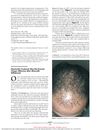 14 citations
,
September 2003 in “Archives of Dermatology”
14 citations
,
September 2003 in “Archives of Dermatology” Finasteride may not stop severe hair loss after stopping minoxidil.
 12 citations
,
September 2003 in “Current paediatrics”
12 citations
,
September 2003 in “Current paediatrics” Early treatment of acne is important to prevent scarring and improve appearance, using medications that can have side effects.
 11 citations
,
July 2003 in “The Nurse practitioner”
11 citations
,
July 2003 in “The Nurse practitioner” New treatments for PCOS focus on managing symptoms and improving fertility.
 1 citations
,
October 2010 in “Cambridge University Press eBooks”
1 citations
,
October 2010 in “Cambridge University Press eBooks” Hormonal therapies are effective for managing hair and skin symptoms in women with PCOS.
 December 2025 in “International Journal of Research in Dermatology”
 Isotretinoin effectively treats severe acne but has serious side effects and requires careful monitoring.
 May 2024 in “Journal of Education, Health and Sport”
 Current treatments for folliculitis decalvans include antibiotics, isotretinoin, and potential new therapies like botulinum toxin A and PRP.
 April 2024 in “International journal of women's health”
 Adult female acne is a complex condition that can worsen with menopause, requiring holistic treatment and tailored skincare at different life stages.
 January 2018 in “Turkiye Klinikleri Journal of Dermatology”
 Stem cell treatments show promise for treating hair loss.