 34 citations
,
January 2012 in “Journal of Dermatological Science”
34 citations
,
January 2012 in “Journal of Dermatological Science” Hydrogen peroxide and monoethanolamine in hair dye can cause dermatitis and hair loss.
 42 citations
,
February 2017 in “Scientific Reports”
42 citations
,
February 2017 in “Scientific Reports” Researchers found a way to create cells from stem cells that act like human cells important for hair growth and could be used for hair regeneration treatments.
 15 citations
,
January 2015 in “Skin Pharmacology and Physiology”
15 citations
,
January 2015 in “Skin Pharmacology and Physiology” Parathyroid hormones are important for hair growth, but their use in treating hair loss from chemotherapy is still uncertain.
 114 citations
,
January 2007 in “Drug Safety”
114 citations
,
January 2007 in “Drug Safety” Some drugs can cause skin, nail, and hair problems, which are important for healthcare professionals to recognize and report.
 5 citations
,
October 1984 in “The BMJ”
5 citations
,
October 1984 in “The BMJ” Up to 50% of scalp hair can be lost before it appears thin, and treatment is only needed for hair loss caused by diseases or deficiencies.
 3 citations
,
January 2011 in “Wspolczesna Onkologia-Contemporary Oncology”
3 citations
,
January 2011 in “Wspolczesna Onkologia-Contemporary Oncology” Scalp hypothermia can prevent chemotherapy-induced hair loss but is not suitable for all patients, and more research is needed to improve prevention methods.
 14 citations
,
November 2005 in “Life sciences”
14 citations
,
November 2005 in “Life sciences” Vitamin D3 may protect rat hair follicles from radiation damage.
 83 citations
,
May 1999 in “International Journal of Dermatology”
83 citations
,
May 1999 in “International Journal of Dermatology” Hair loss that spreads out can often fix itself or be treated by finding and handling the cause.

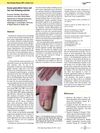
Acitretin treatment unexpectedly darkened a patient's gray hair.
 9 citations
,
January 1992 in “Journal of Investigative Dermatology”
9 citations
,
January 1992 in “Journal of Investigative Dermatology” Sugar molecule helps hair growth, less in balding, returns with treatment.
 4 citations
,
February 2011 in “Dermatology reports”
4 citations
,
February 2011 in “Dermatology reports” Acitretin can cause excess tissue growth and hair loss.
 41 citations
,
January 2007 in “Journal of Korean Medical Science”
41 citations
,
January 2007 in “Journal of Korean Medical Science” Minoxidil and ATRA together boost hair growth more effectively than minoxidil alone.
 April 2018 in “The journal of investigative dermatology/Journal of investigative dermatology”
 Double-stranded RNA helps regenerate hair follicles by increasing retinoic acid production and signaling.
 90 citations
,
October 1996 in “Dermatologic Clinics”
90 citations
,
October 1996 in “Dermatologic Clinics” Growth factors are crucial for hair development and could help treat hair diseases.

Human hair follicle cells can be turned into stem cells that may help clone hair for treating hair loss or burns.
 August 1994 in “Drugs & Therapy Perspectives”
 Some drugs can cause hair loss or growth, but hair usually returns to normal after stopping the drug.
 129 citations
,
January 2007 in “Otology & Neurotology”
129 citations
,
January 2007 in “Otology & Neurotology” Gene therapy with the Math1 gene helped regenerate balance-related cells and improve balance in mice.
 6 citations
,
February 2022 in “JAAD International”
6 citations
,
February 2022 in “JAAD International” Higher doses of isotretinoin may lead to more hair loss.
 6 citations
,
December 2022 in “Cell reports”
6 citations
,
December 2022 in “Cell reports” Eating a high-fat fish oil diet caused mice to lose hair due to a specific immune cell activity in the skin linked to a protein called E-FABP.
 159 citations
,
July 2006 in “Endocrine Reviews”
159 citations
,
July 2006 in “Endocrine Reviews” Estrogens significantly influence hair growth by interacting with receptors in hair follicles and may help regulate the hair growth cycle.
 December 2023 in “International journal of multidisciplinary research and analysis”
 SH-MSCs gel can effectively treat alopecia by increasing IL-10 and decreasing TNF-α gene expression.
2 citations
,
November 2024 in “JAAD reviews.” Certain drugs can change hair color, either lightening or darkening it.
 30 citations
,
April 2002 in “Archives of Dermatology”
30 citations
,
April 2002 in “Archives of Dermatology” Finasteride can cause one-sided breast enlargement, which disappears after stopping the drug.
19 citations
,
August 1998 in “Journal of the American Academy of Dermatology” Hair loss can signal serious health issues, not just cosmetic concerns.
 40 citations
,
August 2006 in “Current Drug Safety”
40 citations
,
August 2006 in “Current Drug Safety” Some drugs can cause hair loss, excessive growth, or color changes, often reversible but sometimes permanent.
 7 citations
,
May 2014 in “Clinical practice”
7 citations
,
May 2014 in “Clinical practice” Cooling the scalp may prevent hair loss from chemotherapy, hair often grows back after treatment, and nail issues usually improve after stopping the drug.
 48 citations
,
February 2017 in “Journal of Cosmetic Dermatology”
48 citations
,
February 2017 in “Journal of Cosmetic Dermatology” The conclusion is to use scalp cooling, gentle hair care, and treatments like minoxidil for managing hair loss from chemotherapy, and stresses the need for more research and collaboration in this area.
 September 2022 in “Polish Hyperbaric Research”
 Some treatments for hair loss, like finasteride, biotin, and minoxidil, can be effective, but their success varies by individual case.
 7 citations
,
June 2015 in “Cutaneous and Ocular Toxicology”
7 citations
,
June 2015 in “Cutaneous and Ocular Toxicology” Some drugs can cause skin reactions, which may improve when the drug is stopped, and rapid diagnosis and stopping the drug is crucial.
 31 citations
,
January 1981 in “Pharmacology & Therapeutics”
31 citations
,
January 1981 in “Pharmacology & Therapeutics” Oral retinoids are effective for treating severe skin disorders but have reversible side effects and risks for pregnant women.