 February 2022 in “International Journal of Research in Dermatology”
 Tretinoin alone is more effective than combined with microdermabrasion for long-term alopecia areata treatment.
1 citations
,
December 1989 in “PubMed” Tretinoin's effectiveness for hair loss is unclear and needs more research.
 January 2021 in “Indian Journal of Paediatric Dermatology”
 Topical tretinoin 0.025% cream is an effective treatment for Eruptive Vellus Hair Cysts in children.
9 citations
,
May 2002 in “PubMed” Retinoic acid affects skin and hair health by working with specific receptors, and its absence can lead to hair loss and skin changes.
69 citations
,
March 2016 in “American journal of clinical dermatology” Topical retinoids effectively improve photodamaged skin.
June 2026 in “Journal of Investigative Dermatology” Retinoic acids temporarily change skin stem cells to a slower cycle and more differentiated state.
30 citations
,
February 1996 in “Journal of Investigative Dermatology”  1 citations
,
March 2011 in “Informa Healthcare eBooks”
1 citations
,
March 2011 in “Informa Healthcare eBooks” Isotretinoin is a preferred treatment for severe acne, often leading to long-term improvement, but requires careful monitoring due to potential side effects.
November 2025 in “SKIN The Journal of Cutaneous Medicine” Ritlecitinib is effective long-term for treating alopecia areata in teens.
 1 citations
,
March 2026 in “American Journal of Clinical Dermatology”
1 citations
,
March 2026 in “American Journal of Clinical Dermatology” Ritlecitinib effectively regrows hair in severe alopecia areata, especially in adolescents.
June 2010 in “The Knowledge Bank (The Ohio State University)” Inhibiting retinoic acid activates WNT signaling, potentially aiding hair disorder and skin cancer treatments.
Retinoids or their analogs could treat skin pigmentation disorders like melasma and vitiligo.
48 citations
,
July 2023 in “Pediatric Dermatology” Ritlecitinib effectively regrows hair in adolescents with alopecia areata and is safe.
 October 2024 in “Asian Journal of Pharmaceutical and Clinical Research”
 Topical methotrexate is more effective and as safe as betamethasone for treating alopecia areata.
 1 citations
,
September 2022 in “TURKDERM”
1 citations
,
September 2022 in “TURKDERM” Systemic retinoids do not increase COVID-19 risk or severity.
143 citations
,
May 2002 in “PubMed” LGD1069 effectively prevents breast tumors in mice without toxicity.
February 2026 in “International Journal of Dermatology” Ritlecitinib shows promise in improving hair regrowth in adolescents with alopecia areata.
10 citations
,
August 1998 in “Journal of Investigative Dermatology” March 2026 in “SKIN The Journal of Cutaneous Medicine” Ritlecitinib is being tested for safety and effectiveness in young children with severe alopecia areata.
 9 citations
,
July 2016 in “The Journal of Dermatology”
9 citations
,
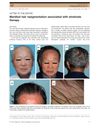
July 2016 in “The Journal of Dermatology” An 82-year-old man's white hair regained color after taking etretinate for psoriasis.
15 citations
,
January 2025 in “Journal of the European Academy of Dermatology and Venereology” Ritlecitinib is effective and safe for treating alopecia areata, promoting significant hair regrowth.
19 citations
,
March 2021 in “Experimental and Therapeutic Medicine” Isotretinoin can cause serious birth defects and needs careful use, especially in pregnant women.
 June 2026 in “Dermatology and Therapy”
 Ritlecitinib provides new treatment options for diverse alopecia areata patients.
136 citations
,
April 2010 in “British Journal of Dermatology” Acitretin is effective for severe skin conditions but has significant side effects and requires careful monitoring.
 April 2019 in “Journal of Investigative Dermatology”
 Non-coding RNA boosts retinoic acid production and signaling, aiding regeneration.
November 2025 in “SKIN The Journal of Cutaneous Medicine” Ritlecitinib is generally safe for adolescents with alopecia areata over 5 years.
16 citations
,
November 1994 in “Developmental Biology” Retinoic acid causes gland formation instead of hair in mouse skin by altering epidermal and dermal interactions.
34 citations
,
September 1997 in “Acta Dermato Venereologica” RXR agonists may promote hair growth in humans.
9 citations
,
May 2014 in “Clinical Cosmetic and Investigational Dermatology” Using tazarotene with GliSODin improves facial skin more than tazarotene alone.
January 2004 in “Linchuang pifuke zazhi” All-trans retinoic acid helps amelanotic melanocytes in hair follicles develop and produce pigment while reducing their growth.