January 2016 in “Indian dermatology online journal” Frontal fibrosing alopecia causes hair loss at the front hairline, and no effective treatment exists.
research Hair
May 2024 in “Australasian Journal of Dermatology” Alopecia areata causes significant emotional and social challenges, especially with more hair loss.
Androgen receptor degrader drugs may be a promising future treatment for hair loss.
 7 citations
,
September 1977 in “PubMed”
7 citations
,
September 1977 in “PubMed” A new technique called hair-lifting was introduced to treat male-pattern baldness and can also give a partial face-lift.
June 2023 in “The Journal of Family Practice” The hair loss is likely due to a fade haircut.
 March 2017 in “The American Journal of Cosmetic Surgery”
 Transplanted hair follicles can resist hair loss from an autoimmune condition better than natural hair.
The man has patchy hair loss likely due to alopecia areata.
 57 citations
,
January 2003 in “Clinical and experimental dermatology”
57 citations
,
January 2003 in “Clinical and experimental dermatology” Postmenopausal frontal fibrosing alopecia is a type of hair loss in postmenopausal women that may stop on its own but has no effective treatment.
1 citations
,
April 2022 in “Der Hautarzt” Hair transplantation can permanently and naturally improve hair loss if done by skilled surgeons with proper planning.
 December 2019 in “Journal of pediatrics & neonatology”
 A 13-year-old boy had a rare, stable type of hair loss with little chance of regrowth, but treatment is available for looks.
 1 citations
,
March 2020 in “Australasian Journal of Dermatology”
1 citations
,
March 2020 in “Australasian Journal of Dermatology” The paper concludes that recognizing bitemporal alopecia areata is important for early treatment and preventing its progression.
 2 citations
,
September 1987 in “International Journal of Dermatology”
2 citations
,
September 1987 in “International Journal of Dermatology” Minoxidil caused hair to grow in unintended areas, like a tail, in a young girl.
January 2026 in “Updates in clinical dermatology”  235 citations
,
January 2011 in “Journal of Clinical Investigation”
235 citations
,
January 2011 in “Journal of Clinical Investigation” Men with baldness due to androgenetic alopecia still have hair stem cells, but lack specific cells needed for hair growth.
April 2021 in “Aktuelle Dermatologie” Frontal Fibrosing Alopecia is a type of hair loss that mainly affects postmenopausal women, has unclear causes, and lacks evidence-based treatments.
 2 citations
,
December 1995 in “Pediatrics”
2 citations
,
December 1995 in “Pediatrics” Infant hair loss is usually temporary and grows back without treatment.
 May 2025 in “InnovAiT Education and inspiration for general practice”
 Male pattern hair loss is common, affects mental health, and can be treated with medication or hair transplants.
 3 citations
,
April 2015 in “Dermatology practical & conceptual”
3 citations
,
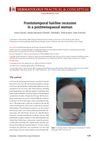
April 2015 in “Dermatology practical & conceptual” Postmenopausal women can experience hairline recession, affecting their quality of life, and more research is needed for treatments.
 63 citations
,
October 2011 in “Archives of Dermatology”
63 citations
,
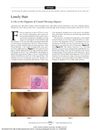
October 2011 in “Archives of Dermatology” Isolated long hairs at the original hairline can help diagnose Frontal Fibrosing Alopecia.
 November 2012 in “South African Family Practice”
 The article concludes that early treatment of alopecia is crucial to prevent permanent hair loss.
 2 citations
,
September 2013 in “Journal of Cosmetic Dermatology”
2 citations
,
September 2013 in “Journal of Cosmetic Dermatology” Hair restoration combines drugs and follicular unit grafting for natural, long-lasting results.
 January 2010 in “Elsevier eBooks”
 Hair transplantation is a treatment for hair loss mainly caused by genetics, with various techniques and potential complications, and results visible after 8-12 months.
 September 2011 in “Hair transplant forum international”
 Hair transplants can be effective for early male pattern baldness.
5 citations
,
February 2012 in “Australasian Journal of Dermatology” Two red-haired men with alopecia areata regrew black hair instead of red.

Minoxidil and finasteride are the only FDA-approved treatments for hair loss caused by genetic and hormonal factors, but their effectiveness is often doubted, indicating a need for new treatments.
 179 citations
,
September 1998 in “BMJ”
179 citations
,
September 1998 in “BMJ” Hair loss in men is common, treatable, but not curable.
 May 2026 in “Zenodo (CERN European Organization for Nuclear Research)”
 Androgenetic alopecia is common hair loss caused by genetics and hormones, with treatments to slow it but no cure.
 1 citations
,
October 2021 in “Cosmoderma”
1 citations
,
October 2021 in “Cosmoderma” Hair transplants can work for permanent hair loss if the condition is stable and done carefully.
 16 citations
,
April 2011 in “Recent Patents on Inflammation & Allergy Drug Discovery”
16 citations
,
April 2011 in “Recent Patents on Inflammation & Allergy Drug Discovery” Alopecia Areata is an autoimmune disease causing hair loss in patches, often starting before age 20, and while some cases recover on their own, treatments include topical corticosteroids, minoxidil, and promising new methods like IL-31 antibodies and 308-nm Excimer laser therapy.
 September 1997 in “Journal of The European Academy of Dermatology and Venereology”
 New treatment improves male hair loss.