13 citations
,
May 2019 in “Archives of dermatological research” Tranexamic acid reduces skin aging more in female mice.
27 citations
,
April 2008 in “Journal of Biological Chemistry” HMG-CoA reductase is crucial for skin wound healing by regulating keratinocyte growth and blood vessel formation.
 12 citations
,
May 2023 in “EMBO reports”
12 citations
,
May 2023 in “EMBO reports” High mTORC1 activity slows hair growth and causes it to lose color.
 9 citations
,
July 2022 in “EMBO molecular medicine”
9 citations
,
July 2022 in “EMBO molecular medicine” Blocking certain immune signals can reduce skin damage from radiation therapy.
2 citations
,
April 2020 in “Journal of Mind and Medical Sciences” Psychotropic drugs can interact with natural products, affecting their effectiveness and safety.
April 2021 in “Journal of Investigative Dermatology” Blocking DPP4 can help prevent fat loss and skin fibrosis.
 January 2022 in “Clinical Cases in Dermatology”
 Some hair loss from medication may reverse after stopping the drug, but treatment options are limited and ongoing research is needed.
2 citations
,
January 2019 in “Methods in molecular biology” A new method helps grow skin cells from humans and mice more easily and quickly.
176 citations
,
January 2013 in “Proceedings of the National Academy of Sciences” BMP and Wnt signaling balance controls hair follicle stem cell activity and hair growth.
140 citations
,
February 2014 in “Neuron” Delta opioid receptors help regulate touch sensation by reducing neurotransmitter release in the spinal cord.
64 citations
,
March 2004 in “Journal of Clinical Investigation” Targeting ornithine decarboxylase can help prevent skin cancer.
54 citations
,
September 2012 in “Acta ophthalmologica” Cancer treatments can cause various eye problems, so eye doctors should know how to diagnose and treat these early.
44 citations
,
May 2008 in “Plant journal” D'orenone stops root hair growth by disrupting auxin transport, but adding auxin can reverse this.
 5 citations
,
October 2022 in “Cosmetics”
5 citations
,
October 2022 in “Cosmetics” Cell-based models help test if cosmetic ingredients really work for hair growth and skin health.
2 citations
,
November 2024 in “JAAD reviews.” Certain drugs can change hair color, either lightening or darkening it.
2 citations
,
February 2023 in “International journal of molecular sciences” Tetrathiomolybdate reduces hair growth marker in skin cells by boosting harmful oxygen molecules, but effects can be reversed.
November 2025 in “Chemistry - An Asian Journal” EISA uses enzymes to create precise nanostructures in cells, offering new ways to design adaptive materials and therapies.
 March 2025 in “Journal of Education Health and Sport”
 Finasteride can cause sexual and psychological side effects, but these usually reverse after stopping the medication.
9 citations
,
April 2022 in “Cell Communication and Signaling” High S100A4 levels worsen glioblastoma by promoting blood vessel growth.

GLP-1 receptor agonists can cause skin and hair issues due to rapid weight loss, but these can be managed with proper care and treatments.
124 citations
,
July 2017 in “eLife” Type XVII collagen helps control skin cell growth and could be a target for anti-aging treatments.
105 citations
,
October 2018 in “Nature” A small group of slow-growing cells causes basal cell carcinoma to return after treatment.
 90 citations
,
May 2019 in “Drugs”
90 citations
,
May 2019 in “Drugs” Long-term use of azole antifungals can cause hair loss, hormonal imbalances, and severe skin reactions.
77 citations
,
April 2005 in “Journal of Investigative Dermatology” Repetin is a protein involved in skin and hair development, binding calcium and compensating for other proteins when needed.
70 citations
,
August 2006 in “Cancer Research” AP-1 controls tumor cell type by affecting key signaling pathways.
64 citations
,
January 2009 in “The International journal of developmental biology” Hair follicle stem cells are controlled by their surrounding environment.
43 citations
,
May 1999 in “Journal of Biological Chemistry” Agouti protein affects melanocortin receptors through competitive antagonism and receptor down-regulation.
 38 citations
,
April 2017 in “PLOS Genetics”
38 citations
,
April 2017 in “PLOS Genetics” GRHL3 is important for controlling gene activity in skin cells during different stages of their development.
 37 citations
,
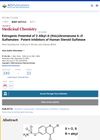
September 2003 in “Journal of Medicinal Chemistry”
37 citations
,
September 2003 in “Journal of Medicinal Chemistry” A substance called Compound 2g can strongly block STS (a hormone-related enzyme) without affecting estrogen levels, making it potentially good for treating breast cancer.
34 citations
,
August 2015 in “Frontiers in Behavioral Neuroscience” Allopregnanolone affects fear responses differently in male and female rats, possibly explaining sex differences in anxiety disorders.