September 2019 in “The journal of investigative dermatology/Journal of investigative dermatology” PPARγ signaling modulation can protect hair follicle stem cells from chemotherapy-induced damage.
 2 citations
,
January 2017 in “Journal of Biotechnology Research Center”
2 citations
,
January 2017 in “Journal of Biotechnology Research Center” Hair dyes affect DNA analysis results, with the prepFiler kit working best for hair with follicles.
September 2019 in “Journal of Investigative Dermatology” EGFR and MEK inhibitors reduce PD-L1 in hair follicles, possibly causing inflammation.
 August 2015 in “Free Radical Biology and Medicine”
 The document concludes that the discussed biological mechanisms and potential therapies are not related to hair loss or hair growth.
January 1988 in “Toxicological Sciences” 4PeCDF is highly toxic to male rats, causing weight loss, organ damage, and death.
5 citations
,
December 2014 in “Molecular cytogenetics” A specific genetic change is linked to mental disorders, intellectual disability, and possibly autoimmune disease in a family.
221 citations
,
July 2012 in “Proceedings of the National Academy of Sciences of the United States of America” BMAL1 controls skin cell growth and UV damage risk, peaking at night.
 June 2024 in “Georgetown Scientific Research Journal”
 Bleomycin injections in mice cause skin thickening and hair loss.
January 2004 in “Chinese Journal of Dermatology” Injecting specific oligonucleotides can change hair growth and structure by altering a gene.
9 citations
,
October 2014 Vitamin D receptor helps prevent skin tumors.
44 citations
,
January 1984 in “Molecular and Cellular Biochemistry”  19 citations
,
October 2011 in “Clinics in Dermatology”
19 citations
,
October 2011 in “Clinics in Dermatology” New chemotherapy drugs cause skin side effects, but treatments like minocycline and tetracycline can help reduce them.
 April 2016 in “Journal of Investigative Dermatology”
 SOX4 is crucial for the development of melanoma.
 February 2024 in “Research Square (Research Square)”
 The research suggests that SFRP2 and PTGDS proteins might be indicators of female pattern hair loss and could contribute to hair loss.
41 citations
,
December 2019 in “Science Translational Medicine” Anti-EGFR therapy can cause skin issues, but FGF7 treatment might help.
18 citations
,
February 2006 in “Genomics” A new genetic mutation in mice causes permanent hair loss and skin wrinkling.
25 citations
,
June 2017 in “Journal of Investigative Dermatology” HPV8 causes skin cancer by expanding specific skin stem cells.
 November 2019 in “Neuro-oncology”
 Rind-based techniques can lower scalp radiation dose and reduce hair loss in brain cancer treatment.
3 citations
,
September 2018 in “Journal of Structural Biology” Oxidized trichocyte keratin has a helical dislocation in its structure.
 October 2004 in “Radiotherapy and oncology”
 Active vitamin D3 might protect hair follicles from radiation damage.

Blocking the Mitochondrial Pyruvate Carrier causes stress in hair follicles, which can be reduced by an ISR inhibitor.
 38 citations
,
February 2012 in “British Journal of Dermatology”
38 citations
,
February 2012 in “British Journal of Dermatology” AR/EDA2R gene linked to early-onset female hair loss, but 20p11 gene not involved.
 September 2007 in “Journal of Investigative Dermatology”
 ANp63 is crucial for skin integrity, new filaggrin gene mutations link to eczema, hair can regrow from non-stem cells, sunburns are increasing, and glucocorticoids help treat skin allergies by affecting immune cells.
16 citations
,
November 2017 in “British Journal of Dermatology” Cells in hair die by breaking down their DNA and mitochondria as they form keratin.
1 citations
,
October 2021 in “The journal of investigative dermatology/Journal of investigative dermatology” Removing HIF-P4H-2 from certain skin cells in mice causes hair loss on the body but not the head.
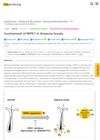
RIPK1 inhibitors might help prevent alopecia areata.
1 citations
,
January 2025 in “Dermatologic Therapy” Monopolar radiofrequency effectively reduces facial wrinkles with minimal side effects.
 April 2018 in “The journal of investigative dermatology/Journal of investigative dermatology”
 Higher fluence in hair removal damages hair follicles more, while lower fluence mimics natural hair regression, with long-term IPL treatments effectively reducing hair.
 16 citations
,
April 2015 in “Lasers in Surgery and Medicine”
16 citations
,
April 2015 in “Lasers in Surgery and Medicine” Using a fractional laser can stimulate hair growth, but the intensity and duration of inflammation are crucial. Too much can cause ulcers and scarring. Lower beam energy and fewer treatments are recommended to avoid damage.
January 2023 in “Advanced Biology” DNA methylation changes affect gene expression during esophageal healing with silk grafts in rats.