 3 citations
,
October 2020 in “Internatuinal Journal of Radiation Research”
3 citations
,
October 2020 in “Internatuinal Journal of Radiation Research” Gamma irradiation can stimulate hair growth by promoting new blood vessel formation.
5 citations
,
November 2003 in “PubMed” Chemical treatments and light exposure damage hair proteins.
67 citations
,
August 2004 in “Endocrinology” A specific gene mutation causes vitamin D resistance, but certain vitamin D analogs might help.
 August 2015 in “Free Radical Biology and Medicine”
 Nrf2 helps protect skin from damage but too much can cause skin problems.
7 citations
,
March 2023 in “The Journal of Biochemistry” LONRF1 is important for oxidative damage response and tissue remodeling during wound healing.
August 2018 in “Zenodo (CERN European Organization for Nuclear Research)” Catalase in processed meats may increase cancer risk due to electromagnetic emissions.
 116 citations
,
May 2013 in “Proceedings of the National Academy of Sciences of the United States of America”
116 citations
,
May 2013 in “Proceedings of the National Academy of Sciences of the United States of America” Hair grows faster in the morning and is more vulnerable to damage from radiation due to the internal clock in hair follicle cells.
9 citations
,
March 2019 in “Molecular & cellular proteomics” Reductive stress messes up collagen balance and alters cell signaling in human skin cells, which could help treat certain skin diseases.
 September 2019 in “The journal of investigative dermatology/Journal of investigative dermatology”
 Hair follicles repair 3D injuries using a 2D healing process.
Activating certain cells in hair follicles can prevent hair loss caused by cancer treatments.
November 2024 in “Journal of Investigative Dermatology” April 2012 in “Cancer Research” EGFR deficiency in skin causes hair follicle issues and inflammation.
 December 2023 in “Forensic science international. Genetics”
 The RapidHIT ID system can effectively get DNA profiles from hair roots with enough cells.
34 citations
,
October 1975 in “Biochimica et Biophysica Acta (BBA) - Nucleic Acids and Protein Synthesis” 1 citations
,
July 2016 in “Dermatologic surgery”  45 citations
,
January 2010 in “Journal of Veterinary Medical Science”
45 citations
,
January 2010 in “Journal of Veterinary Medical Science” A gene mutation causes curly hair and hair loss in rats.
 52 citations
,
January 2005 in “International journal of experimental pathology”
52 citations
,
January 2005 in “International journal of experimental pathology” Melatonin may reduce skin damage caused by X-rays in rats.
 January 2017 in “NASA Technical Reports Server (NASA)”
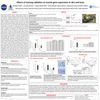
 Early changes in skin gene expression can predict later bone mass loss after radiation exposure.
May 2005 in “Molecular Carcinogenesis” mrp/plf-mRNA can indicate tumor-promoting effects in skin.
July 2025 in “Journal of Investigative Dermatology” 3 citations
,
January 2020 in “Indian Journal of Dermatology” Certain gene variations in the Vitamin D Receptor are linked to higher risk of female hair loss.
50 citations
,
December 2005 in “European Journal of Immunology” RXRα is crucial for proper immune response and links diet to immune function.
November 2025 in “PLoS ONE” Nucleic acids trigger chemokine production in skin cells, affecting skin inflammation.
 September 2017 in “Journal of Investigative Dermatology”
 Mackerel fermented fish oil protects skin cells from damage by UVB light.
September 2022 in “Journal of Theoretical Biology” Hair follicles can regenerate after radiation damage but not during a specific growth phase.
Loss of the p53 gene alone causes tumors, and losing both p53 and Rb genes speeds up aggressive skin cancer.
 3 citations
,
June 2023 in “The journal of investigative dermatology/Journal of investigative dermatology”
3 citations
,
June 2023 in “The journal of investigative dermatology/Journal of investigative dermatology” The conclusion suggests that focusing on certain cellular pathways may improve the prevention and repair of hair loss caused by radiotherapy.
 9 citations
,
November 2021 in “Frontiers in Cell and Developmental Biology”
9 citations
,
November 2021 in “Frontiers in Cell and Developmental Biology” PBX1 helps reduce aging and cell death in hair follicle stem cells by decreasing DNA damage, not by improving DNA repair.
 1 citations
,
September 2021 in “Cureus”
1 citations
,
September 2021 in “Cureus” The rs1128977 gene variant may affect cholesterol and body measurements.
Loss of the p53 gene alone causes tumors, and losing both p53 and Rb genes speeds up aggressive skin cancer.