232 citations
,
January 2002 in “Mechanisms of development” Different enzymes are active in different parts of developing mouse organs.
Curcuma aeruginosa Roxb. may help treat hair loss by affecting specific biological pathways.
December 2024 in “Biochemical and Biophysical Research Communications” LMWP-PDGFA shows promise for improving hair health and treating hair loss with fewer side effects.
 39 citations
,
April 2019 in “Journal of Biomaterials Science, Polymer Edition”
39 citations
,
April 2019 in “Journal of Biomaterials Science, Polymer Edition” RADA16 is a promising material for tissue repair and regenerative medicine but needs improvement in strength and cost.
8 citations
,
March 2011 in “Endocrine” A new gene mutation causes vitamin D-resistant rickets and hair loss in two siblings.
Editing the FGF5 gene in sheep increases fine wool growth.
 36 citations
,
July 2014 in “Neuromuscular Disorders”
36 citations
,
July 2014 in “Neuromuscular Disorders” A patient with a larger than usual genetic mutation had a broader range of symptoms for a muscle disease.
20 citations
,
September 1998 in “PubMed” Gorillas in Gabon improved after protein supplements were added to their diet.
30 citations
,
August 2008 in “The journal of investigative dermatology/Journal of investigative dermatology” TGase 3 helps build hair structure by forming strong bonds between proteins.
June 2025 in “International Journal of Molecular Sciences” LncRNAs play a crucial role in muscle regulation and could help develop treatments for Duchenne muscular dystrophy.
 7 citations
,
July 2019 in “International Journal of Molecular Sciences”
7 citations
,
July 2019 in “International Journal of Molecular Sciences” PGA-4HGF may help treat hair loss by activating hair growth pathways and extending the hair growth phase.
11 citations
,
October 2014 in “Gene” Researchers identified a new variant of the FGF5 gene in sheep that affects hair length.
11 citations
,
December 2021 in “Journal of Ginseng Research/Journal of ginseng research” Red ginseng oil is believed to have various health benefits and is safe, but more research is needed to fully understand how it works.
 4 citations
,
May 2021 in “The journal of investigative dermatology/Journal of investigative dermatology”
4 citations
,
May 2021 in “The journal of investigative dermatology/Journal of investigative dermatology” ELL is crucial for gene transcription related to skin cell growth.
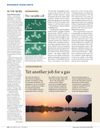 October 2005 in “Nature reviews. Molecular cell biology (Print)”
 Hairless protein is key for hair growth, cell differences cause gene expression variation, and the N-end rule pathway senses nitric oxide for protein breakdown.
 10 citations
,
September 2015 in “PLoS ONE”
10 citations
,
September 2015 in “PLoS ONE” New mutations in the VDR gene cause vitamin D-resistant rickets without hair loss.
January 2023 in “The Egyptian Journal of Hospital Medicine” PRP therapy is a promising and effective treatment for hair loss with minimal side effects.
September 2017 in “The journal of investigative dermatology/Journal of investigative dermatology” N-acetyl-GED may help prevent and partially reverse a process that leads to scarring hair loss.
24 citations
,
January 2023 in “Cancer Research” AMPK activation may reduce melanoma risk in red-haired individuals.
124 citations
,
November 2000 in “The journal of investigative dermatology/Journal of investigative dermatology” PAD3 plays a key role in hair and skin protein structure and may be linked to skin diseases.
6 citations
,
July 2020 in “The Kaohsiung Journal of Medical Sciences” Inhibiting the PI3K/Akt pathway may help prevent radiation-induced liver injury.
1 citations
,
May 2012 in “International Conference on Biomedical Engineering and Biotechnology” TGF-β receptor 1 helps deer antlers grow by aiding skin and cartilage cell growth.
12 citations
,
August 2015 in “Experimental Dermatology” The mineralocorticoid receptor temporarily affects mouse skin development, but the glucocorticoid receptor has a more lasting impact.
6 citations
,
January 2014 in “Genetics and Molecular Research” The method successfully created stable transfection donor cells for goat hair follicle research.
 November 2023 in “Journal of Investigative Dermatology”
 γδTregs can protect hair follicles from alopecia areata and may help regrow hair.
 May 2008 in “Hair transplant forum international”
 A genetic test can identify people at risk of male pattern baldness early, allowing for quicker treatment.
July 2025 in “Journal of Investigative Dermatology” Reducing PEDF may help treat hair loss.
January 2015 in “DSpace@MIT (Massachusetts Institute of Technology)” PHGDH promotes cancer growth by aiding cell proliferation and tumor progression.
April 2023 in “Journal of Investigative Dermatology” Increased TEMRA cells can predict treatment outcomes in rapidly progressive alopecia areata.
13 citations
,
February 2025 in “Nature Communications” A new neural network helps identify key regulators in cell changes, aiding in understanding diseases and finding new treatments.