3 citations
,
July 2024 in “Cell Proliferation” Blocking TGFβ can help treat fibrotic skin conditions by promoting fat cell formation.
 January 2024 in “ACS Biomaterials Science & Engineering”
 A new method using a microfluidic device can prepare hair follicle germs efficiently for potential use in hair loss treatments.
25 citations
,
March 2022 in “International journal of biological macromolecules” miR-181a-5p helps hair growth by activating a specific signaling pathway.
 9 citations
,
November 2019 in “Cell calcium”
9 citations
,
November 2019 in “Cell calcium” The STIM1 R304W mutation in mice leads to bone changes and teeth hair growth.
 225 citations
,
April 2018 in “Journal of Investigative Dermatology”
225 citations
,
April 2018 in “Journal of Investigative Dermatology” Two main types of fibroblasts with unique functions and additional subtypes were identified in human skin.
September 2025 in “PeerJ” FCER1A and RGS1 may help diagnose and treat systemic lupus erythematosus.
 April 2023 in “Research Square (Research Square)”
 A specific RNA helps increase the growth of skin cells in Liaoning cashmere goats by working with a protein to boost a growth-related gene.
5 citations
,
January 1993 in “PubMed” Retinoic acid can change skin structures in vertebrates, like turning scales into feathers or hair buds into glands.
 2 citations
,
January 2015 in “BioMed Research International”
2 citations
,
January 2015 in “BioMed Research International” Growth factor treatments are increasingly used in medicine but require more research to fully understand their mechanisms.
4 citations
,
August 2022 in “Cells” lncRNA2919 slows down rabbit hair growth by stopping cell growth and causing cell death.
33 citations
,
August 2008 in “American Journal Of Pathology” Hedgehog signaling is essential for normal sebaceous gland development and affects keratin 6a expression.
 16 citations
,
October 2014 in “Cell death and disease”
16 citations
,
October 2014 in “Cell death and disease” FoxN1 overexpression in young mice harms immune cell and skin development.
 11 citations
,
October 2018 in “Nucleic Acid Therapeutics”
11 citations
,
October 2018 in “Nucleic Acid Therapeutics” Modified KGF mRNA helps skin cells grow and move faster, which may improve wound healing.
 2 citations
,
July 2021 in “Biochemical and Biophysical Research Communications”
2 citations
,
July 2021 in “Biochemical and Biophysical Research Communications” CTHRC1 helps hair grow back, and plantar dermis mixture boosts it.
 19 citations
,
September 2011 in “Journal of Dermatological Science”
19 citations
,
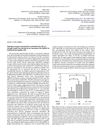
September 2011 in “Journal of Dermatological Science” TGF-β1 increases androgen receptor activity in hair loss, but Hic-5/ARA55 can counter this effect.

Lnc056 helps hair follicle stem cells grow by increasing TRIP6 expression.
19 citations
,
September 2007 in “The Journal of Steroid Biochemistry and Molecular Biology” Glucocorticoid receptors help regulate genes important for skin health and hair growth.
 2 citations
,
August 2020 in “Scientific reports”
2 citations
,
August 2020 in “Scientific reports” Genes related to keratin, skin cell differentiation, and immune functions are key in hedgehog skin and spine development.
 28 citations
,
January 2012 in “Biological & pharmaceutical bulletin”
28 citations
,
January 2012 in “Biological & pharmaceutical bulletin” Hairless protein can both repress and activate vitamin D receptor functions, affecting gene regulation.
 May 2026 in “Scientific Reports”
 Overexpression of LRIG3 in skin causes hair loss.
23 citations
,
June 1992 in “PubMed” RAR-gamma 1 is important for normal skin maintenance and differentiation.
1 citations
,
January 2014 in “Chinese Journal of Traditional Medical Traumatology & Orthopedics” The methods can provide high-quality cells for creating artificial hair follicles, blood vessels, and skin.
 6 citations
,
January 2017 in “Advances in Experimental Medicine and Biology”
6 citations
,
January 2017 in “Advances in Experimental Medicine and Biology” Runx genes are important for stem cell regulation and their roles in aging and disease need more research.
September 2025 in “Genes & Diseases” Lgr6+ cells are important for tissue repair and could be a target for treating cancer and other diseases.
 10 citations
,
November 2017 in “Journal of Investigative Dermatology”
10 citations
,
November 2017 in “Journal of Investigative Dermatology” A mutation in the FAM83G gene is linked to skin and hair abnormalities in two related individuals.

A protein called sFRP4 can partly inhibit hair growth.
 November 2024 in “The Journal of Cell Biology”
 Basement membrane changes are crucial for hair follicle development.
1 citations
,
November 1975 in “PubMed” GRF is not safe for tubal occlusion.
 127 citations
,
March 2016 in “PLoS ONE”
127 citations
,
March 2016 in “PLoS ONE” Key genes and pathways crucial for hair follicle development in cashmere goats were identified, aiding fleece production improvement.