 June 2008 in “British Journal of Dermatology”
 UK medical students lack dermatology education, liver biopsy patients with risk factors show more fibrosis, and certain fungi resist drugs due to melanin; genetics may influence female hair loss.
 April 2021 in “Sohag Medical Journal”
 Alopecia areata is an autoimmune condition causing hair loss, linked to genetic factors and immune system issues, with no cure yet.
 July 2003 in “Journal of Cutaneous Medicine and Surgery”
 The document concludes that various treatments for skin conditions are effective, but some require further research, and certain factors like gender and lifestyle can influence disease outcomes.
 July 2003 in “Journal of Cutaneous Medicine and Surgery”
 Treating psoriasis with UVB light three times a week is faster than twice a week, and certain medications and lifestyle factors affect psoriasis treatment outcomes.
 4 citations
,
September 2012 in “Clinical Pharmacology in Drug Development”
4 citations
,
September 2012 in “Clinical Pharmacology in Drug Development” Different drug doses approved in Japan and the U.S. are not mainly due to different clinical responses, and ethnic factors should be considered in setting drug doses.
 1 citations
,
April 1987 in “American Journal of Nursing”
1 citations
,
April 1987 in “American Journal of Nursing” Some drugs can cause serious side effects, like hypoglycemia from mix-ups, skin reactions, or depression, and while penicillamine may help rheumatoid arthritis more than auranofin, it has more severe side effects.
 July 2011 in “British Journal of Dermatology”
 Dermatologists give better information on pathology forms, hypersensitivity vasculitis is a common skin issue, misdiagnoses can occur, and various skin conditions are linked to loss of elastin or genetic factors.
 January 2001 in “Biomedical Research”
 THH and PAD type III appear together early in hair growth, but deiminated THH appears later, suggesting another factor is involved.
 September 2016 in “Princeton University Press eBooks”
 The document concludes that understanding health requires considering evolutionary perspectives on reproductive fitness, and recognizing the complexity of factors like diet, testosterone, and sexual orientation.
 48 citations
,
April 2010 in “Journal of the European Academy of Dermatology and Venereology”
48 citations
,
April 2010 in “Journal of the European Academy of Dermatology and Venereology” Men are more likely to get infectious skin diseases, while women are more prone to autoimmune and pigment-related skin conditions, influenced by biological and environmental factors.
 January 2024 in “Pediatria Polska”
 Long-COVID symptoms in children after MIS-C are similar across different COVID-19 variants, with older age being a key factor.
 March 2023 in “Revista română de reumatologie”
 Skin problems are common in lupus, often appearing first, with various types and treatments, and careful monitoring is important for diagnosis and management.
 18 citations
,
November 2018 in “Annals of the Academy of Medicine Singapore”
18 citations
,
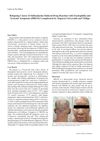
November 2018 in “Annals of the Academy of Medicine Singapore” Sulfasalazine can cause severe allergic reactions leading to long-term autoimmune issues like hair loss and skin discoloration.
32 citations
,
January 2022 in “Oxidative Medicine and Cellular Longevity” Cedrol may help treat rheumatoid arthritis due to its anti-inflammatory and antioxidant effects.
January 2025 in “Journal of Carcinogenesis” Inflammation is a key factor in heart disease and targeting it can reduce heart problems.
 10 citations
,
October 2010 in “Hepatology”
10 citations
,
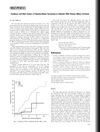
October 2010 in “Hepatology” Certain liver diseases respond well to specific treatments and have varying risks for liver cancer.

Taking calcium may help elderly with osteoporosis, birth control with levonorgestrel doesn't increase heart attack risk, Salmonella can cause arthritis, a national ethics committee is recommended, and sulfasalazine might help with a hair loss condition.
15 citations
,
December 2021 in “Pharmaceutics” The study found key factors in the cause of hidradenitis suppurativa, its link to other diseases, and identified existing drugs that could potentially treat it.
 January 2024 in “Ankara City Hospital Medical Journal”
 Rhupus is a complex syndrome that is hard to diagnose due to unclear clinical criteria.
 119 citations
,
January 2012 in “Nutrition & Metabolism”
119 citations
,
January 2012 in “Nutrition & Metabolism” Modern lifestyles, including poor diet, stress, and long-term use of certain medications, hinder the body's ability to heal from inflammation, leading to chronic diseases.
 125 citations
,
September 2019 in “Journal of Clinical Immunology”
125 citations
,
September 2019 in “Journal of Clinical Immunology” Foxp3 is crucial for regulatory T cell function, and targeting these cells may help treat immune disorders.
 11 citations
,
June 2022 in “Frontiers in immunology”
11 citations
,
June 2022 in “Frontiers in immunology” New protein changes may be involved in the immune attack on hair follicles in alopecia areata.
September 2025 in “Frontiers in Immunology” Atopic dermatitis and alopecia areata share immune and genetic factors, and targeted therapies may help both.

Higher cholesterol levels increase aggressive prostate cancer risk.
 107 citations
,
November 2008 in “The Journal of Rheumatology”
107 citations
,
November 2008 in “The Journal of Rheumatology” Fibromyalgia slightly more common in SLE patients but doesn't affect SLE activity assessments.
15 citations
,
May 1999 in “Journal of Investigative Dermatology” Alopecia areata is complex, with genetic and immune factors, and animal models are key for future treatment research.
December 2025 in “Cosmetics” New treatments for alopecia show promise in restoring hair growth by targeting immune and hormonal factors.
 August 2025 in “PLoS ONE”
 Improving access to hidradenitis suppurativa care can reduce social disparities.
 April 2012 in “Journal of the American Academy of Dermatology”
 People with androgenetic alopecia may have a higher risk of heart problems compared to those with alopecia areata or healthy individuals.

Older men with late-onset lupus have a higher mortality rate than women.