33 citations
,
August 2008 in “American Journal Of Pathology” Hedgehog signaling is essential for normal sebaceous gland development and affects keratin 6a expression.
32 citations
,
January 2010 in “Journal of Dermatological Science” Reduced EGFR signaling delays hair cycle and reduces fat growth, but hair development remains normal.
7 citations
,
May 2022 in “Cancers” UC.145 may be a new biomarker for predicting gastric cancer.
 January 2025 in “Cell Communication and Signaling”
 CXXC5 can both suppress and promote cancer, making it a complex target for treatment.
1 citations
,
June 2018 in “World rabbit science” Different miRNAs in Rex rabbit skin affect cell processes and hair growth.
 70 citations
,
February 2017 in “Dermatologic Surgery”
70 citations
,
February 2017 in “Dermatologic Surgery” Treatment with plasma rich in growth factors improved hair density and thickness for hair loss patients.
 June 2022 in “Indian journal of clinical and experimental opthalmology”
 The report shows a young man with Hutchinson-Gilford Progeria Syndrome had typical and additional eye problems related to the disease.
 January 2008 in “US endocrinology”
 Mutations in the glucocorticoid receptor gene cause reduced sensitivity to glucocorticoids and may lead to poor response to treatment.
 9 citations
,
July 2011 in “Scientific Reports”
9 citations
,
July 2011 in “Scientific Reports” Changes in the HR gene have influenced hair growth and may lead to hair loss conditions in humans.
11 citations
,
July 2010 in “European Journal of Dermatology” The condition is linked to chromosome 12, but no mutations were found in the known genes.
35 citations
,
April 2009 in “Journal of Neuroscience Research” HDAC inhibitors help brain cells grow and improve brain function.
 August 2025 in “Advanced Science”
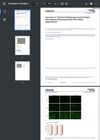
 The corrections confirm the original findings on scarless hair follicle regeneration.
October 2020 in “The American Journal of Gastroenterology” Early diagnosis and treatment of hereditary hemochromatosis can prevent serious complications.
38 citations
,
October 2001 in “British Journal of Dermatology” Keratin K6irs is a marker for the inner root sheath of hair follicles in mice and humans.
 2 citations
,
September 2002 in “Journal of Endocrinological Investigation”
2 citations
,
September 2002 in “Journal of Endocrinological Investigation” The GH-IGF-I axis is likely involved in the hormonal imbalances seen in non-obese women with functional hyperandrogenism.
July 2025 in “Journal of Investigative Dermatology” Hhip-Cre effectively targets dermal papilla cells for gene manipulation in hair biology.
November 2015 in “Journal of the Korea Academia-Industrial cooperation Society” The new assay can help develop products for hair re-growth.
4 citations
,
December 2024 in “JAAD Case Reports” Nirogacestat can cause severe skin issues like hidradenitis suppurativa.
148 citations
,
October 1997 in “Journal of Investigative Dermatology” 8 citations
,
June 2001 in “Journal of Biological Chemistry” A truncated protein linked to breast cancer may change cell adhesion.
April 2017 in “The journal of investigative dermatology/Journal of investigative dermatology” Double stranded RNA helps skin wounds heal by coordinating specific proteins and signaling pathways.
 February 2010 in “Journal of The American Academy of Dermatology”
 The document concludes that using gadolinium-based contrast agents during MRI can be linked to Nephrogenic Systemic Fibrosis in patients with severe kidney disease.
 1 citations
,
April 2018 in “Journal of Investigative Dermatology”
1 citations
,
April 2018 in “Journal of Investigative Dermatology” Fzd2 is important for skin and hair development through various signaling ways.
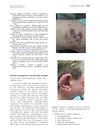
A 72-year-old man was diagnosed with a rare skin form of Rosai-Dorfman disease after years of misdiagnosis.
 April 2016 in “Journal of Investigative Dermatology”
 Lymphoid-specific helicase (Lsh) is crucial for skin growth, change, and healing after injury.
March 2023 in “Frontiers in Cell and Developmental Biology” Proteoglycans are vital for tissue growth and healing, with potential as treatment targets.
5 citations
,
January 2001 in “Journal of dermatological science” The G(S) alpha subunit gene may help start hair follicle growth in newborn mice.
 April 2026 in “Institutional Repositories DataBase (IRDB)”
 CD200- cells in hair follicles have a higher ability to regenerate hair.
May 2000 in “Journal of Investigative Dermatology” Hedgehog signaling is crucial for hair development, cadherins affect cell adhesion, neutrophils play a role in skin lesions, and BP230 autoantibodies impact skin stability.