 November 2018 in “Chin J Clin Lab Mgt (Electronic Edition)”
 Concentrated growth factors may help treat hair loss caused by genetics.
32 citations
,
April 2020 in “BMC Developmental Biology” Ocu-miR-205 helps control hair growth in Rex rabbits by affecting cell processes and signaling pathways.
 1 citations
,
January 2008 in “touchREVIEWS in Endocrinology”
1 citations
,
January 2008 in “touchREVIEWS in Endocrinology” Generalized glucocorticoid resistance causes hormone imbalances and varied symptoms due to gene mutations.
 4 citations
,
January 2004 in “Biological and Pharmaceutical Bulletin”
4 citations
,
January 2004 in “Biological and Pharmaceutical Bulletin” AgK114 protein helps in hamster skin injury recovery.
 June 2026 in “Indian Journal of Postgraduate Dermatology”
 Rash from EGFRI treatment can indicate both side effects and treatment effectiveness.
36 citations
,
February 2017 in “Journal of Cellular and Molecular Medicine” VEGF165 helps hair follicle stem cells become blood vessel cells, aiding new blood vessel growth.
 29 citations
,
January 2010 in “Methods in Enzymology”
29 citations
,
January 2010 in “Methods in Enzymology” The document concludes that careful design of genetic fate mapping experiments is crucial for accurate cell lineage tracing in mice.
8 citations
,
July 2015 in “International Journal of Dermatology” A new DSG4 gene mutation causes hair defects in a young girl.
 46 citations
,
September 2013 in “PLOS ONE”
46 citations
,
September 2013 in “PLOS ONE” Thyrotropin-Releasing Hormone helps heal wounds in frog and human skin.
47 citations
,
June 2013 in “Biology of blood and marrow transplantation” Mice with human fetal thymic tissue and stem cells developed symptoms similar to chronic graft-versus-host disease.
26 citations
,
March 1995 in “Differentiation” A rabbit gene important for hair development was identified and detailed.
60 citations
,
October 2020 in “Nature Communications” AP-1 and TGFß work together to drive resistance in basal cell carcinoma, suggesting new treatment options.
IL-1 and IL-7 help activate cells that boost hair follicle stem cell growth, aiding wound healing.
 43 citations
,
August 2018 in “Cell Stem Cell”
43 citations
,
August 2018 in “Cell Stem Cell” Hoxc genes control hair growth through Wnt signaling.
 22 citations
,
February 2013 in “Wound Repair and Regeneration”
22 citations
,
February 2013 in “Wound Repair and Regeneration” Mice genetically modified to produce more CD109 in their skin had less inflammation and better healing with less scarring.
211 citations
,
February 1994 in “Proceedings of the National Academy of Sciences” Too much parathyroid hormone-related protein in skin disrupts hair growth in mice.
27 citations
,
August 2021 in “Journal of Autoimmunity” Human dermal γδT-cells respond to stress in hair follicles, contributing to hair loss.
16 citations
,
March 2021 in “Frontiers in cell and developmental biology” A new method using Y-27632 improves the growth and quality of human hair follicle stem cells for tissue engineering and therapy.
January 1993 in “Claves de razón práctica” ROR2 is crucial for hair follicle stem cell maintenance and self-renewal.
 April 2023 in “Journal of Investigative Dermatology”
 Mutations in the SHH pathway in certain skin cells can cause skin tumors and abnormal hair growth.
 18 citations
,
July 2008 in “Current Oncology Reports”
18 citations
,
July 2008 in “Current Oncology Reports” EGFR cancer drugs often cause a rash, which can lead to distress and isolation, but may also improve outcomes for some cancer patients. Current treatments for the rash are limited, but a compound called menadione shows promise.
1 citations
,
March 2022 in “Journal of biological chemistry/The Journal of biological chemistry” Removing a specific gene in certain skin cells causes hair loss in mice by disrupting hair follicle development.
52 citations
,
September 2012 in “Oncogene” January 2026 in “Regenerative Biomaterials” Advanced hydrogels can autonomously deliver drugs to treat radiation skin injuries, but challenges remain for clinical use.
66 citations
,
May 2002 in “The Plant Journal” The IRE gene is important for normal root hair growth in Arabidopsis plants.
 January 2017 in “NASA Technical Reports Server (NASA)”
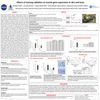
 Early changes in skin gene expression can predict later bone mass loss after radiation exposure.
 194 citations
,
May 2000 in “Journal of Investigative Dermatology”
194 citations
,
May 2000 in “Journal of Investigative Dermatology” The hedgehog signaling pathway is crucial for hair growth but not for the initial creation of hair follicles.
32 citations
,
January 2000 in “International Journal of Cancer” Transglutaminase-3 is often reduced in esophageal cancer.
2 citations
,
April 2019 in “Journal of Investigative Dermatology” Gasdermin A3 causes hair follicle stem cells to activate too early, leading to hair loss.
 3 citations
,
June 2017 in “International Journal of Radiation Biology”
3 citations
,
June 2017 in “International Journal of Radiation Biology” Gamma rays did not change hair follicle density but increased white and hypopigmented hairs in mice.