 4 citations
,
April 2024 in “Cellular and Molecular Biology”
4 citations
,
April 2024 in “Cellular and Molecular Biology” Injectable platelet-rich fibrin is better than platelet-rich plasma for promoting hair growth.
135 citations
,
October 1997 in “Journal of biological chemistry/The Journal of biological chemistry” Trichohyalin is modified by enzymes to form strong structures in hair cells.
 1 citations
,
April 2018 in “Journal of Investigative Dermatology”
1 citations
,
April 2018 in “Journal of Investigative Dermatology” Fzd2 is important for skin and hair development through various signaling ways.
 47 citations
,
December 2019 in “Frontiers in immunology”
47 citations
,
December 2019 in “Frontiers in immunology” A new mutation in the STING protein causes a range of symptoms and its severity may be affected by other genetic variations; treatment with a specific inhibitor showed improvement in one patient.
23 citations
,
December 1977 in “Virchows Archiv B Cell Pathology” January 2026 in “Journal of Dermatological Science” DcR3 helps heal wounds and regrow hair by changing macrophages to a repair-focused type.
August 2009 in “Mechanisms of Development” May 2000 in “Journal of Investigative Dermatology” Hedgehog signaling is crucial for hair development, cadherins affect cell adhesion, neutrophils play a role in skin lesions, and BP230 autoantibodies impact skin stability.
 25 citations
,
November 2017 in “Molecular Medicine Reports”
25 citations
,
November 2017 in “Molecular Medicine Reports” PlncRNA-1 helps hair follicle stem cells grow and develop by controlling a specific cell signaling pathway.
 39 citations
,
December 2011 in “PLoS ONE”
39 citations
,
December 2011 in “PLoS ONE” Radiofrequency exposure can stimulate hair growth by increasing IGF-1 in hair follicle cells.
20 citations
,
October 1995 in “Biochimica et Biophysica Acta (BBA) - Gene Structure and Expression” hHb1, hHb3, and hHb6 mRNAs start expressing at the same time in hair follicles.
 4 citations
,
March 2014 in “The FASEB Journal”
4 citations
,
March 2014 in “The FASEB Journal” The HIF-2α/ARNT complex is important for hair follicle development by controlling cell growth.
47 citations
,
September 2012 in “Human molecular genetics online/Human molecular genetics” Folliculin deficiency causes problems with cell division and positioning due to disrupted RhoA signaling and interaction with p0071.
November 2022 in “Journal of Investigative Dermatology” NCSTN gene mutation causes abnormal skin cell differentiation and more inflammation, contributing to Hidradenitis Suppurativa.
IL-18 signaling helps mature Tregs move into the thymus.
39 citations
,
May 2002 in “Oral Microbiology and Immunology” Testosterone increases cell growth and reduces IL-6 in gum cells.
 1 citations
,
January 2015 in “Journal of clinical and investigative dermatology”
1 citations
,
January 2015 in “Journal of clinical and investigative dermatology” IGF-1 from human placenta helps hair grow.
73 citations
,
June 2006 in “Animal genetics” The FGF5 gene determines hair length in dogs.
 3 citations
,
January 2005 in “Biological & Pharmaceutical Bulletin”
3 citations
,
January 2005 in “Biological & Pharmaceutical Bulletin” The peptide GPIGS helps hair cells grow and speeds up hair regrowth in mice.
 16 citations
,
February 2007 in “Plastic and Reconstructive Surgery”
16 citations
,
February 2007 in “Plastic and Reconstructive Surgery” Keratinocytes show more TGF-β system activity and collagen production as they age, which might affect wound scarring.
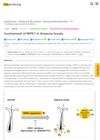
RIPK1 inhibitors might help prevent alopecia areata.
 33 citations
,
April 2020 in “Journal of Clinical Investigation”
33 citations
,
April 2020 in “Journal of Clinical Investigation” Stress in hair follicle stem cells causes inflammation in a chronic skin condition through a specific immune response pathway.
2 citations
,
August 2021 in “Animal Cells and Systems” Egfl6 is not needed for zebrafish face development.
46 citations
,
June 2013 in “Journal of structural biology” High glycine–tyrosine keratin-associated proteins help make hair strong and maintain its shape.
 January 2010 in “프로그램북(구 초록집)”
 Fgf9 helps create new hair follicles after injury through skin T cells.
August 2015 in “Han'gug dongmul jawon gwahag hoeji/Han-guk dongmul jawon gwahak hoeji/Journal of animal science and technology” TRα and CRABPII genes change their activity levels during goat fetal skin development.
 73 citations
,
April 2013 in “Stem cells”
73 citations
,
April 2013 in “Stem cells” LGR5 helps maintain corneal cell characteristics and prevents unwanted changes by controlling specific cell signaling pathways.
4 citations
,
January 1994 in “Current Opinion in Endocrinology & Diabetes” PTHrP regulates various normal body functions, including bone development, skin, and muscle function.
 April 2015 in “Plastic and Reconstructive Surgery”
 Activating TLR3 helps improve skin and hair follicle regeneration after wounds.
638 citations
,
October 1997 in “Nature”