1 citations
,
July 2017 in “Cancer Research” Overexpressing NSD3 in mice causes breast cancer-like tumors and gland abnormalities.
151 citations
,
June 2010 in “Endocrinology and metabolism clinics of North America” Two rare genetic diseases cause severe rickets in children due to defects in vitamin D metabolism.
November 2024 in “Biochemical and Biophysical Research Communications” Abnormal gene expression related to keratin causes hair loss in certain mice.
59 citations
,
November 2011 in “Development” Trps1 is essential for proper hair follicle development.
A genetic mutation in the CDH3 gene causes hair loss and vision problems in a young Saudi girl.
2 citations
,
November 2022 in “bioRxiv (Cold Spring Harbor Laboratory)” Mutant stem cells adapt their metabolism differently to outcompete normal cells in the skin.
 2 citations
,
December 1997 in “Journal of The American Academy of Dermatology”
2 citations
,
December 1997 in “Journal of The American Academy of Dermatology” The document concludes that doctors should monitor children's brain development when treating hemangiomas with interferon alfa and consider stopping the treatment if problems arise, while also exploring drugs that might counteract side effects.
 1 citations
,
March 2013 in “Biomédica”
1 citations
,
March 2013 in “Biomédica” A score of 6 or less is recommended to diagnose hirsutism in Colombian women.
 November 2012 in “Actas Dermo-Sifiliográficas”
 The reviewer recommends "Dermatology" as an essential, well-illustrated, and up-to-date resource for anyone studying or practicing in the field.
 July 2003 in “Pediatrics in review”
 In 2001, the FDA approved 12 new drugs for children to treat allergies, asthma, ADHD, birth control, and other conditions.
5 citations
,
May 2014 in “Clinical and Experimental Dermatology” Mutations in the desmoplakin gene can cause hair problems and deadly heart disease.
 7 citations
,
November 2010 in “Genesis”
7 citations
,
November 2010 in “Genesis” Mouse Scube3 affects teeth, tongue, vibrissae, and eye development, but not facial structure or limb growth.
1 citations
,
April 2010 in “Cancer Research” WYE-130600 may cause skin thickening and irritation.
 1 citations
,
October 2022 in “Rheumatology”
1 citations
,
October 2022 in “Rheumatology” RHUPUS should be considered in children with deforming arthritis.
4 citations
,
January 2023 in “Journal of Clinical Investigation” Specific mutations in a receptor cause facial abnormalities and hair loss.
January 2016 in “Memorial University Research Repository (Memorial University)” Hereditary hyperplastic gingivitis in silver foxes may be linked to errors in the MAPK signaling pathway, influenced by androgens.
47 citations
,
January 1998 in “Molecular Carcinogenesis” ErbB2 signaling is crucial for skin cell growth and cancer development in mice.
14 citations
,
December 2001 in “Journal of autoimmunity” Rats can develop an immune response to prion protein peptides, but it may cause severe skin issues in older rats.
 April 2017 in “Journal of Investigative Dermatology”
 Targeted siRNA therapy may be a promising treatment for KID syndrome by reducing mutant gene expression and improving cell communication.
Alopecia areata is an autoimmune disease that targets hair follicles.
November 2020 in “Journal of animal science/Journal of animal science ... and ASAS reference compendium” Certain genetic variants in PRLR and PCCA genes may lead to shorter hair in cattle, which could help with heat tolerance.
50 citations
,
February 2013 in “BMC evolutionary biology” Cetaceans lost hair due to changes in the Hr and FGF5 genes.
 6 citations
,
October 2012 in “Journal of Heredity”
6 citations
,
October 2012 in “Journal of Heredity” The Itpr3 gene causes a specific hair pattern in mice.
3 citations
,
March 2023 in “Annals of the New York Academy of Sciences” Mutations in claudin-1 and claudin-3 cause hair loss in baby mice.
 39 citations
,
January 2019 in “Cells”
39 citations
,
January 2019 in “Cells” Gene therapy has potential as a future treatment for Hutchinson-Gilford progeria syndrome.
8 citations
,
December 2013 in “The journal of investigative dermatology. Symposium proceedings/The Journal of investigative dermatology symposium proceedings” Mouse models help understand alopecia areata and find treatments.
34 citations
,
September 2010 in “Clinical and Experimental Dermatology” A new gene mutation linked to KID syndrome was found, expanding genetic knowledge.
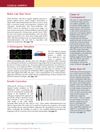 January 2016 in “Journal of Investigative Dermatology”
 Some cells may slow melanoma growth, a protein could affect skin pigmentation, a gene-silencing method might treat hair defects, skin bacteria changes likely result from eczema, and a defensin protein could help treat multiple sclerosis.
November 2025 in “Journal of Investigative Dermatology” A new genetic mutation causing Xeroderma Pigmentosum was found in an 8-year-old girl, affecting her DNA repair.
18 citations
,
March 2004 in “The Journal of Urology” Hypospadiac rats showed abnormal genital development, useful for studying human hypospadias.