Herbal hair dyes using plants like henna and beetroot are safer and can produce varied colors, with two-stage applications giving darker shades.
January 2008 in “中山醫學大學醫學研究所學位論文” Danthron from Rhubarb causes melanoma cells to stop growing and die.
 January 2025 in “bioRxiv (Cold Spring Harbor Laboratory)”
 Rhamnose may help hair growth and pigmentation, making it a potential treatment for hair loss.
August 1994 in “American Journal of Veterinary Research” Monoclonal antibody B72.3 selectively reacts with certain dog tissues, mainly in the gastrointestinal and respiratory tracts.
2 citations
,
February 2018 Raman spectroscopy can help identify cancerous skin tissue during surgery.
 November 2025 in “Zenodo (CERN European Organization for Nuclear Research)”
 Polyherbal hair dye cream is safe, effective, and eco-friendly, offering better color and no side effects.
 12 citations
,
December 2017 in “Food and chemical toxicology”
12 citations
,
December 2017 in “Food and chemical toxicology” Permanent hair dye mixtures can irritate and damage the skin.
Normal cells stain well with fluorescent globulin, but tumor cells do not.
 February 2024 in “Bangladesh pharmaceutical journal”
 The conclusion is that the tested yogurts from Bangladesh are rich in vitamins thiamine and riboflavin, and the testing method is reliable.
 October 2024 in “Frontiers in Pharmacology”
 The correction does not change the conclusion that 2-deoxy-D-ribose helps hair regrowth.
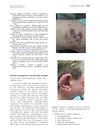
A 72-year-old man was diagnosed with a rare skin form of Rosai-Dorfman disease after years of misdiagnosis.
 March 2026 in “Zenodo (CERN European Organization for Nuclear Research)”
 The natural hair dye is safe, effective, and good for scalp health.
10 citations
,
March 2016 in “Toxicology and applied pharmacology” Using A132 hair dye with sunlight can cause skin damage and hair loss.
 March 2026 in “Zenodo (CERN European Organization for Nuclear Research)”
 The natural hair dye is safe, effective, and good for scalp health.
15 citations
,
July 2000 in “The journal of investigative dermatology/Journal of investigative dermatology” Fluorescence can effectively measure acne treatment progress.
 November 2023 in “The journal of investigative dermatology/Journal of investigative dermatology”
 Skin cells and certain hair follicle areas produce hemoglobin, which may help protect against oxidative stress like UV damage.
10 citations
,
November 2017 in “Letters in drug design & discovery” Researchers identified promising inhibitors for the BRD4 protein, including finasteride and amentoflavone.
August 2022 in “Zenodo (CERN European Organization for Nuclear Research)” The herbal hair dye effectively provides a natural reddish-brown color without synthetic chemicals.
 July 2026 in “International Journal of Applied Pharmaceutics”
 Hair dyes, especially with PPD, can cause skin and rare systemic reactions, and safer alternatives are needed.
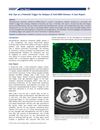 November 2025 in “Indian Journal of Nephrology”
 Hair dye may trigger anti-GBM disease relapse, and rituximab can help manage it.
September 2017 in “The journal of investigative dermatology/Journal of investigative dermatology” Different types of human skin cells respond uniquely to various colors and doses of light, which could lead to specialized light treatments for skin conditions.
 7 citations
,
July 2020 in “Pigment cell & melanoma research”
7 citations
,
July 2020 in “Pigment cell & melanoma research” RT1640 treatment reverses gray hair and promotes hair growth in mice.
46 citations
,
December 2018 in “Biomedical Optics Express” Raman spectroscopy could effectively guide skin cancer surgery by identifying tumor margins.
January 1991 in “Acta Dermato Venereologica” A new method effectively visualizes keratin in hair without harsh chemicals.
79 citations
,
January 1975 in “Food and Cosmetics Toxicology” The hair dye formulations tested did not cause long-term toxicity or cancer in mice.
 7 citations
,
January 1998 in “EXPERIMENTAL ANIMALS”
7 citations
,
January 1998 in “EXPERIMENTAL ANIMALS” The skin of both rat strains showed similar lectin binding patterns.
April 2021 in “Institutional Repositories DataBase (IRDB)” High-intensity red LED light boosts bone cell growth and mineralization.
15 citations
,
January 1954 in “Endocrinology” Iodine in rat hair is linked to hair growth.
9 citations
,
November 1999 in “Annals of Plastic Surgery” Ruby laser hair removal does not cause increased cell growth in the skin.
 14 citations
,
September 1954 in “Textile Research Journal”
14 citations
,
September 1954 in “Textile Research Journal” Hair absorbs different substances from solutions based on pH levels.