5 citations
,
March 2021 in “Hepatitis Monthly” Tenofovir alafenamide fumarate is effective and safer for hepatitis B, with fewer side effects than tenofovir disoproxil fumarate.
A rare skin reaction occurred when a man took paracetamol, causing a new rash in an area already affected by hair loss.
20 citations
,
June 2024 in “Journal of Autoimmunity” Inflammation in rheumatoid arthritis increases steroid activation in cells, reducing inflammation.
2 citations
,
March 2025 in “Journal of Translational Autoimmunity” Targeting the AhR pathway may help treat alopecia areata.
 March 2010 in “Anti-inflammatory & anti-allergy agents in medicinal chemistry”
 Biologic agents can be effective for rheumatic diseases but have risks like infections and require careful monitoring and patient information.
September 2023 in “Journal of the American Academy of Dermatology” Risankizumab effectively treats and maintains skin clearance in moderate-to-severe psoriasis.
 34 citations
,
July 2011 in “International journal of pharmaceutics”
34 citations
,
July 2011 in “International journal of pharmaceutics” Ion-paired risedronate significantly increases skin penetration without irritation compared to risedronate alone.
 December 2024 in “PubMed”
 TrichoFoam™ effectively delivers multiple hair loss treatments, maintaining their stability and effectiveness.
43 citations
,
November 2009 in “Archives of dermatology” Alefacept does not effectively treat severe alopecia areata.
 34 citations
,
August 2002 in “British Journal of Dermatology”
34 citations
,
August 2002 in “British Journal of Dermatology” ALA-PDT is effective and safe for chronic X-ray dermatitis, providing complete or partial remission.
November 2025 in “SKIN The Journal of Cutaneous Medicine” Ritlecitinib is effective long-term for treating alopecia areata in teens.
18 citations
,
February 2018 in “Journal of the American Academy of Dermatology” The document suggests a possible link between frontal fibrosing alopecia and rosacea.
 July 2021 in “Clinical case reports and studies”
 Topical diphencyprone effectively treated a 9-year-old boy's alopecia areata with fewer side effects.
51 citations
,
September 2013 in “JEADV. Journal of the European Academy of Dermatology and Venereology/Journal of the European Academy of Dermatology and Venereology” FRMS is a safe and effective treatment for acne scars in Asians with minimal side effects.
159 citations
,
August 2010 in “British journal of dermatology/British journal of dermatology, Supplement” Hydroxychloroquine effectively reduces symptoms of frontal fibrosing alopecia, especially in the first 6 months.
November 2015 in “Ankara Medical Journal” Weekly 5 mg folate is enough to prevent methotrexate toxicity in rheumatoid arthritis patients.
July 2026 in “Journal of the American Academy of Dermatology” Ritlecitinib helps adolescents with severe alopecia areata regrow scalp hair and normalize body hair and nails.
13 citations
,
October 2023 in “Pharmaceutics” The new nasal gel for schizophrenia improved drug absorption and brain effects in rats.
9 citations
,
October 1947 in “The Lancet” 1 citations
,
November 1947 in “The Lancet” 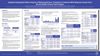 July 2025 in “SKIN The Journal of Cutaneous Medicine”
 Ritlecitinib is generally safe for alopecia areata patients over 72 months.
TrichoFoam™ is a stable option for personalized hair loss treatment with most ingredients remaining effective for 90-180 days.
42 citations
,
August 2016 in “Nanomedicine” The new adapalene formulation using TyroSpheres is more effective and less irritating for acne treatment.
 July 2022 in “International Journal of Trichology”
 Tofacitinib helped an 8-year-old child recover from a type of hair loss that is hard to treat.
![Verification of the Major Metabolic Oxidation Path for the Naphthoyl Group in Chemoattractant Receptor-Homologous Molecule Expressed on Th2 Cells (CRTh2) Antagonist 2-(2-(1-Naphthoyl)-8-fluoro-3,4-dihydro-1H-pyrido[4,3-b]indol-5(2H)-yl)acetic Acid (Setipiprant/ACT-129968)](/images/assets/d743d32f-3115-48ff-9697-2f2d56130701/small/14175.jpg) 6 citations
,
September 2015 in “Journal of Medicinal Chemistry”
6 citations
,
September 2015 in “Journal of Medicinal Chemistry” The document confirms the structures of major metabolites of the CRTh2 antagonist Setipiprant and identifies minor metabolites.
 1 citations
,
May 2024 in “Cureus”
1 citations
,
May 2024 in “Cureus” Combining oral isotretinoin and rifampicin effectively treats folliculitis decalvans.
September 2023 in “Journal of the American Academy of Dermatology”  September 2023 in “Journal of Cosmetic Dermatology”
 Finasteride was more effective than hydroxychloroquine in treating frontal fibrosing alopecia.
 1 citations
,
April 2017 in “Journal of Investigative Dermatology”
1 citations
,
April 2017 in “Journal of Investigative Dermatology” D-OCT shows increased blood vessel growth in response to tissue damage in Frontal Fibrosing Alopecia and is useful for diagnosis and monitoring.
Tofacitinib significantly improved symptoms in a patient with overlapping autoimmune disorders.