Search
for
Sort by
Research
180-210 / 1000+ resultsresearch Extracellular matrix sensing by FERONIA and Leucine‐Rich Repeat Extensins controls vacuolar expansion during cellular elongation in Arabidopsis thaliana
FERONIA and LRX proteins help control cell growth in plants by regulating vacuole expansion.
research Conditional expression of the ErbB2 oncogene elicits reversible hyperplasia in stratified epithelia and up-regulation of TGFα expression in transgenic mice
research Possible Immunomodulating Effect of Retinol on Cytokines Secretion in Patients with Recurrent Furunculosis
Retinol may affect immune responses in people with frequent skin boils.
research 576 INTASYL PH-762: Intratumoral immunotherapy targeting PD-1
PH-762 shows promise in treating skin cancer by effectively targeting and silencing PD-1 in tumors with minimal side effects.
research Prefrontal 5α-reductase 2 mediates male-specific acute stress response
5α-reductase 2 is crucial for stress response in male rats.
research Molecular cloning of two novel types of peptidylarginine deiminase cDNAs from retinoic acid‐treated culture of a newborn rat keratinocyte cell line
Two new enzymes, PAD-R11 and PAD-R4, were cloned and showed activity, with PAD-R11 resembling epidermal enzymes.

research Autologous Cell Therapy for Aged Human Skin: A Randomized, Placebo-Controlled, Phase-I Study
RCS-01 therapy is safe and may improve skin structure by affecting gene expression.

research LncRNA018392 promotes proliferation of Liaoning cashmere goat skin fibroblasts through up-regulation of CSF1R by binding to SPI1
A specific RNA helps increase the growth of skin cells in Liaoning cashmere goats by working with a protein to boost a growth-related gene.

research Dermal EZH2 simultaneously orchestrates dermal differentiation and epidermal proliferation during murine skin development
Dermal EZH2 controls skin cell growth and differentiation in mice.

research 598 Response to ritlecitinib treatment based on salt improvement scores in patients with alopecia areata (AA): Post hoc analysis of the allegro phase 2b/3 study
Ritlecitinib significantly improves scalp hair regrowth in alopecia areata patients over time.
research Mechanism of action of NLRP3 protein macromolecule based on electrochemical sensors in the treatment of alopecia areata in mice: The role of Ritlecitinib in AA mice through NLRP3
research Preliminary toxicity profile of arotinoids SMR-2 and SMR-6 in male B6D2F1 mice*1
SMR-2 and SMR-6 are much more toxic than retinoic acid, causing severe side effects.

research Recurrence of Pemphigus Vulgaris Associated With Interleukin 2 Therapy
A man's skin condition, pemphigus vulgaris, came back after he was treated with interleukin 2 for cancer.
research Double-stranded RNA induces inflammation via the NF-κB pathway and inflammasome activation in the outer root sheath cells of hair follicles
Double-stranded RNA causes inflammation in hair follicle cells, which may help understand and treat alopecia areata.
research Expression ofSfrp2Is Increased in Catagen of Hair Follicles and Inhibits Keratinocyte Proliferation
Sfrp2 increases during hair follicle catagen phase and slows keratinocyte growth.

research 1361 A novel cell surface marker for hair follicle dermal cells throughout hair morphogenesis and cycling
Researchers found that the Leptin receptor is a consistent marker for hair follicle dermal cells, which may help future hair research.

research RORA Regulates Autophagy in Hair Follicle Stem Cells by Upregulating the Expression Level of the Sqstm1 Gene
RORA boosts autophagy in hair follicle stem cells, potentially aiding hair growth.
research RNA signaling in cellular plasticity during homeostasis and regeneration
RNA is crucial for controlling cell flexibility and regeneration.
research 265 Modulation of disease-central cytokine pathways with TAK-279, a highly selective oral tyrosine kinase 2 (TYK2) inhibitor, defines clinical response in patients with psoriasis
TAK-279 effectively reduces psoriasis symptoms and is safe.

research Physiological Doses of Red Light Induce IL‐4 Release in Cocultures between Human Keratinocytes and Immune Cells
Red light at 627 nm can safely trigger IL-4 release in skin cells, potentially helping treat inflammatory skin conditions.
research Context-dependent effect of sPLA2-IIA induced proliferation on murine hair follicle stem cells and human epithelial cancer
sPLA2-IIA increases growth in hair follicle stem cells and cancer cells, suggesting it could be targeted for hair growth and cancer treatment.

research Abstract 152
TLR3 activation helps improve skin and hair follicle healing in mice.

research Cell Cycle Regulation and Regeneration
Mice that can regenerate tissue have cells that pause in the cell cycle, which is important for healing, similar to axolotls.
research PLA2R1 Overexpression Causes Podocyte Injury by Inhibiting the Cell Cycle: A Clinical Cross-Sectional Investigation and Cellular Study
PLA2R1 overexpression harms kidney cells by stopping their growth cycle.
research Sry Transcript Expression in Five Adult Male Rat Tissues and Correlation with Acsl3 Transcript Expression
Sry may regulate fatty acid metabolism and shows different expression levels in rat tissues.
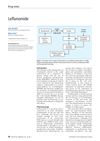
research Leflunomide
Leflunomide is effective for rheumatoid arthritis but has significant side effects.
research Lentiviral Arrays for Live-cell Dynamic Monitoring of Gene and Pathway Activity During Stem Cell Differentiation
The lentiviral array can monitor and predict gene activity during stem cell differentiation.
research Reduced levels of 5-α reductase 2 in adult prostate tissue and implications for BPH therapy
Some men's prostate tissues have low enzyme levels due to genetic changes, possibly affecting treatment for prostate enlargement.
research Prolactin as a candidate sebotrop(h)ic hormone?
Prolactin may influence skin glands and could be a target for treating acne and skin aging.