 January 2025 in “International Journal of Dermatology Venereology and Leprosy Sciences”
 Current treatments for alopecia areata can help hair grow but don't cure the disease.
 January 2025 in “Universidad de Córdoba Insitutional Repository (Universidad de Córdoba)”
 An imbalanced scalp microbiome may worsen alopecia areata severity and inflammation, but treatment can partially restore balance.
 October 2024 in “Journal of Education Health and Sport”
 Alopecia areata treatment should be personalized, using topical or systemic therapies based on severity, with promising options like JAK inhibitors needing more research.
 September 2024 in “Archives of Medical Science”
 Alopecia areata is linked to immune system differences, with specific biomarkers like CXCL9 and CXCL10 being key for diagnosis and potential treatment targets.
 April 2024 in “Dermatovenerologiâ, kosmetologiâ”
 Actinic keratosis is a sun-induced skin condition that can potentially turn into skin cancer and requires various treatments to prevent this.
 April 2024 in “Dermatovenerologiâ, kosmetologiâ”
 Actinic keratosis is a sun-induced skin condition that can potentially turn into skin cancer and requires treatment to prevent malignancy.
 February 2024 in “Frontiers in plant science”
 Peps help Arabidopsis plants grow more root hairs by affecting specific genes and calcium signaling.
 December 2023 in “Research Square (Research Square)”
 These specific gene polymorphisms are not linked to Alopecia Areata in Egyptians.
 December 2023 in “EPRA international journal of multidisciplinary research”
 Alopecia areata causes sudden hair loss, has genetic links, and can be managed but not cured.
 August 2023 in “Sabuncuoglu Serefeddin Health Sciences”
 CT60 polymorphism might increase the risk of Alopecia Areata.
 April 2023 in “Medizinische Genetik”
 New research has found 14 genes linked to the risk of developing alopecia areata, improving understanding and treatment options.
 January 2023 in “Annals of Dermatology”
 Patients with a specific genetic variant have more severe alopecia areata and higher recurrence rates.
 January 2023 in “Åbo Akademi University Research Portal”
 Vimentin is crucial for wound healing, cell growth, and managing immune responses.
Alopecia Areata has no cure, treatments are limited, and the condition often recurs, but new therapies like JAK inhibitors show promise.
 December 2020 in “bioRxiv (Cold Spring Harbor Laboratory)”
 Stress can cause a type of hair loss in mice lacking the CCHCR1 gene.
 January 2020 in “Journal of quality in health care & economics”
 Most women with depression in the study had low vitamin D levels.
 November 2019 in “Harper's Textbook of Pediatric Dermatology”
 Understanding normal hair growth and loss in children is key to diagnosing and treating hair disorders.
 May 2018 in “White Rose eTheses Online (University of Leeds, The University of Sheffield, University of York)”
 Alopecia areata may be treated by using EGCG to balance immune cells and reduce inflammation.
 April 2018 in “bioRxiv (Cold Spring Harbor Laboratory)”
 A gene variant causes patched hair loss in mice, similar to alopecia areata in humans.
 January 2016 in “Journal of The Korean Medical Association”
 The document says how to diagnose and treat hair loss from alopecia areata, but there's no cure and treatments vary.
 December 2015 in “Vascular Pharmacology”
 Hair papilla cells are crucial for blood vessel development in hair follicles, affecting hair growth and loss.
 January 2006 in “Advances in developmental biology”
 The Hairless gene is crucial for healthy skin and hair growth.
76 citations
,
January 1998 in “Mammalian Genome” 114 citations
,
July 2003 in “PubMed” Lack of KSR1 stops certain skin tumors in mice.
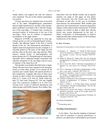 January 1999 in “Journal of the European Academy of Dermatology and Venereology”
 RAPK is a rare skin disorder with pigmented spots, mainly on hands and feet, starting in youth.
 45 citations
,
January 2010 in “Journal of Veterinary Medical Science”
45 citations
,
January 2010 in “Journal of Veterinary Medical Science” A gene mutation causes curly hair and hair loss in rats.
 November 2022 in “The journal of investigative dermatology/Journal of investigative dermatology”
 The STRIPAK complex is crucial for skin cell organization and creating a functional skin barrier.
 3 citations
,
July 2021 in “Life science alliance”
3 citations
,
July 2021 in “Life science alliance” PNKP is essential for keeping adult mouse progenitor cells healthy and growing normally.
September 2017 in “Journal of Investigative Dermatology” LRIG1 protein affects hair growth by regulating skin receptors, leading to hair loss when overexpressed.
 26 citations
,
December 2020 in “Nature metabolism”
26 citations
,
December 2020 in “Nature metabolism” Rapamycin treatment helps with mitochondrial disease by reducing PKC levels.