
A new easy-to-use biosensor was made to detect androgen receptor mRNA, which could help diagnose related conditions quickly.
 1 citations
,
May 2020 in “Beilstein Journal of Organic Chemistry”
1 citations
,
May 2020 in “Beilstein Journal of Organic Chemistry” Scientists made a sensor that can detect a specific type of RNA related to androgen receptors quickly and accurately.
 March 2026 in “Plastic and Aesthetic Research”
 Adipose-derived stem cell exosomes can help reduce skin aging from UV exposure.
 51 citations
,
January 2024 in “Nanoscale”
51 citations
,
January 2024 in “Nanoscale” Nano-PROTACs could improve drug targeting and delivery by using nanotechnology.
29 citations
,
February 2022 in “Frontiers in Cell and Developmental Biology” Improving CRISPR/Cas systems can make gene editing more efficient and precise.
 June 2022 in “Authorea (Authorea)”
 Efficient delivery systems are needed for the clinical use of CRISPR-Cas9 gene editing.
 November 2023 in “ACS Omega”
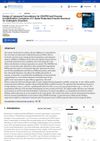
 New liposome treatment successfully delivers CRISPR to deactivate a key enzyme in androgen-related disorders.
 June 2026 in “Acta Pharmacologica Sinica”
 Improving PROTAC delivery systems can enhance their effectiveness and speed up their use in medicine.
 51 citations
,
June 2021 in “Signal Transduction and Targeted Therapy”
51 citations
,
June 2021 in “Signal Transduction and Targeted Therapy” The document concludes that while there are promising methods to control CRISPR/Cas9 gene editing, more research is needed to overcome challenges related to safety and effectiveness for clinical use.
 39 citations
,
July 2021 in “Stem Cell Research & Therapy”
39 citations
,
July 2021 in “Stem Cell Research & Therapy” Using fat stem cells and blood cell-rich plasma together improves healing in diabetic wounds by affecting cell signaling.
 October 2025 in “Clinical Cosmetic and Investigational Dermatology”
 Targeting specific cell interactions may help treat skin fibrosis.
 72 citations
,
January 2023 in “International Journal of Biological Sciences”
72 citations
,
January 2023 in “International Journal of Biological Sciences” Engineered exosomes show promise for improving wound healing but face challenges in clinical use.
 67 citations
,
January 2022 in “Theranostics”
67 citations
,
January 2022 in “Theranostics” Advanced nanocarrier and microneedle drug delivery methods are more effective, safer, and less invasive for treating skin diseases.
 3 citations
,
May 2023 in “Current Molecular Medicine”
3 citations
,
May 2023 in “Current Molecular Medicine” PRP is not a stem cell treatment and should not be marketed as such.
 January 2025 in “RSC Pharmaceutics”
 Smart microneedles using advanced tech could improve psoriasis treatment.
 41 citations
,
November 2024 in “Molecular Biomedicine”
41 citations
,
November 2024 in “Molecular Biomedicine” Engineered extracellular vesicles show promise for targeted therapy but need more research for clinical use.
4 citations
,
June 2025 in “MedComm” PROTACs show promise for cancer treatment, but designing them effectively is challenging.
 June 2024 in “International Journal of Nanomedicine”
 CRISPR/Cas9 has improved precision and control but still faces clinical challenges.
6 citations
,
February 2024 in “Pharmaceutics” ELIP-based CRISPR delivery improves heart disease gene editing but needs more testing.
 February 2026 in “International Journal of Molecular Sciences”
 Extracellular vesicles show promise for medical use but face challenges in standardization and safety.
 96 citations
,
September 2021 in “International Journal of Molecular Sciences”
96 citations
,
September 2021 in “International Journal of Molecular Sciences” Chitosan, a natural substance, can be used to create tiny particles that effectively deliver various types of drugs, but more work is needed to improve stability and control of drug release.
97 citations
,
December 2021 in “Cells” Designing effective fluorescence microscopy experiments requires careful consideration of hardware, biological models, and imaging agents.
24 citations
,
March 2024 in “Small Science” Single-cell encapsulation shows promise for medical use but faces production challenges.
6 citations
,
June 2025 in “Nano Biomedicine and Engineering” Smart nano-PROTACs improve cancer treatment by targeting proteins more precisely and reducing side effects.
3 citations
,
July 2025 in “Gels” Engineered protein hydrogels improve medical treatments by mimicking natural body structures.
32 citations
,
June 2024 in “Pharmaceutics” Nanoformulations improve drug delivery through the skin, reducing side effects and enhancing effectiveness.
1 citations
,
October 2025 in “Micromachines” Portable point-of-care testing can improve quick and accurate genetic disorder detection.
May 2026 in “Science Advances” Caloric stress and differentiation increase IRES translation, affecting stem cell function and potential therapies.
1 citations
,
September 2024 in “Journal of Investigative Dermatology” Ancestry affects skin healing, with non-Hispanic Black patients showing more healing-related fibroblasts than White patients.
 August 2012 in “Nature Cell Biology”
 The tumor suppressor BRCA2 helps in cell division by bringing key proteins to the area where cells split.