October 2022 in “Hair Transplantation” New FUE systems have greatly improved hair restoration surgery.

The document concludes that the FOLLYSIS© system improves hair transplant processes and patient monitoring with high accuracy and less skin trauma.
 September 2025 in “Frontiers in Genetics”
 The method effectively extracts high-quality DNA from marmoset hair, avoiding blood chimerism.
 9 citations
,
September 2016 in “Plastic and reconstructive surgery. Global open”
9 citations
,
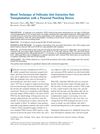
September 2016 in “Plastic and reconstructive surgery. Global open” The curved nonrotary punch is better for hair extraction in people with tightly curled hair.
 153 citations
,
August 2002 in “Dermatologic Surgery”
153 citations
,
August 2002 in “Dermatologic Surgery” Follicular Unit Extraction (FUE) is a less invasive hair transplant method with minimal scarring, suitable for about 60% of patients, especially those needing fewer grafts and quicker recovery.
 May 2022 in “Hair transplant forum international”
 The document concludes that following a specific 15-step process can improve the success of hair transplant extractions.
March 2023 in “MDPI eBooks”  August 2014 in “Plastic Surgery”
 Dr. WP Unger suggested that traditional strip harvesting might be better for hair transplants than Follicular Unit Extraction due to higher hair survival rates and less risk of a patchy look at the donor site.
 March 2024 in “Revista Argentina de de Cirugía Plástica Estética y Reparadora”
 FUE hair transplants now give more natural results and faster recovery with less damage.
3 citations
,
June 2019 in “Asian Journal of Medical Sciences” A new method improves stem cell harvest from umbilical cords, reducing time and cost.
 4 citations
,
August 2021 in “Journal of Cosmetic Dermatology”
4 citations
,
August 2021 in “Journal of Cosmetic Dermatology” Ergonomic improvements in hair transplant surgery reduce discomfort for surgeons and may improve patient outcomes.
 6 citations
,
January 2018 in “Multimedia Tools and Applications”
6 citations
,
January 2018 in “Multimedia Tools and Applications” The new method removes hair from skin images quickly and accurately to help identify skin lesions better.
3 citations
,
January 2010 Refined open donor harvesting techniques can reduce hair follicle damage in hair restoration surgery.
 November 2023 in “Facial Plastic Surgery”
 Choosing between follicular unit extraction and strip harvesting for hair restoration depends on the patient's individual goals and the pros and cons of each method.
 1 citations
,
September 2016 in “Indian Journal of Plastic Surgery”
1 citations
,
September 2016 in “Indian Journal of Plastic Surgery” The new hair follicle harvesting technique improves hair transplant results and makes the procedure quicker and easier to learn.
 6 citations
,
June 2024 in “Scientific Reports”
6 citations
,
June 2024 in “Scientific Reports” RoPod helps study plant root cell changes and autophagy with minimal stress.
 5 citations
,
March 2001 in “Journal of biomechanics”
5 citations
,
March 2001 in “Journal of biomechanics” Growing hairs are easier to pull out than resting hairs due to different anchorage strengths.
2 citations
,
March 2021 in “Clinical Cosmetic and Investigational Dermatology” Tracking invalid extraction rates can improve hair transplant outcomes by assessing surgeon skill.
 24 citations
,
October 2024 in “Process Biochemistry”
24 citations
,
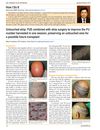
October 2024 in “Process Biochemistry” Optimal conditions for extracting beneficial compounds from Carthamus caeruleus L. rhizomes were identified, improving efficiency.
 4 citations
,
January 2012 in “International Society of Hair Restoration Surgery”
4 citations
,
January 2012 in “International Society of Hair Restoration Surgery” Combining FUE and strip surgery increases hair harvested in one session and keeps options open for future transplants.
1 citations
,
January 2001 in “Acta Archaeologica Academiae Scientiarum Hungaricae” FUE is a less invasive hair restoration method that avoids visible scars and reduces recovery time.
 December 2023 in “Facial Plastic Surgery”
 Local anesthesia, often with sedation, effectively reduces pain in hair transplant harvesting.
 16 citations
,
October 2008 in “Dermatologic Surgery”
16 citations
,
October 2008 in “Dermatologic Surgery” The new powered hair transplant method is faster and damages fewer hairs than the manual method.
 13 citations
,
August 2002 in “Dermatologic Surgery”
13 citations
,
August 2002 in “Dermatologic Surgery” FUE is a less invasive hair transplant method suitable for many patients, but it has limitations and may not replace traditional techniques.
Researchers developed a new device that improves non-incision hair transplant efficiency.
25 citations
,
January 2006 in “Journal of the European Academy of Dermatology and Venereology” A new technique effectively treats and diagnoses eruptive vellus hair cysts without recurrence.
 22 citations
,
January 2017 in “Advanced Healthcare Materials”
22 citations
,
January 2017 in “Advanced Healthcare Materials” The hydrogels help harvest cells while preserving their mechanical memory, which could improve wound healing.
 2 citations
,
January 2023 in “Bioresource Technology Reports”
2 citations
,
January 2023 in “Bioresource Technology Reports” Enzymes can release hydrocarbons from Botryococcus braunii without harming cells, suggesting potential for continuous extraction.
 December 2008 in “Dermatologic Surgery”
 The new powered hair transplant method is faster and damages fewer grafts than the manual technique.
January 2020 in “Hair therapy & transplantation” FUE is a modern hair transplant method that avoids large scars and is good for short hair.